
Key Takeaways
- Calculate Total Cost of Ownership (TCO), not just purchase price, to understand the real cost over time.
- Prioritize products made with higher-quality materials to reduce frequent and expensive replacements.
- Recognize that durability improves safety by lowering the risk of failure, damage, or accidents.
- Embrace repairability and maintenance as practical ways to extend product life and improve return on investment.
- Choosing quality shows that durable, long-lasting products are the new definition of cost-effective and supports environmental sustainability.
- Factor in the better performance and reliability that well-made products provide over time.
The Economic Imperative of Total Cost of Ownership (TCO)
Discussions about value have long been dominated by one number: the price tag. In both personal and business purchasing decisions, the lowest upfront cost is often treated as the smartest choice. But that view is incomplete. A purchase should not be judged only by its initial transaction value. It should be evaluated across the full lifecycle of the product.
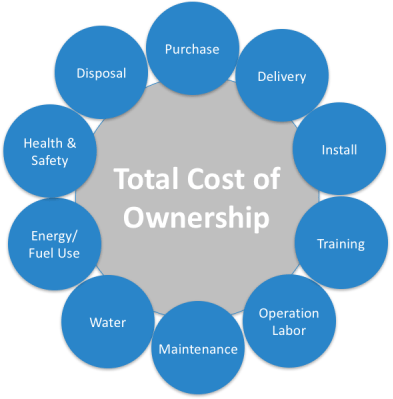
That is where Total Cost of Ownership, or TCO, becomes essential. TCO shifts the analysis from the moment of purchase to the entire period of use, including maintenance, replacement, failure risk, and disposal. Once that broader view is applied, the apparent savings of a cheap product often disappear. In many cases, the low purchase price is simply the beginning of a more expensive cycle of replacement, downtime, and frustration. This is exactly why durable, long-lasting products are the new definition of cost-effective.
Deconstructing TCO: Beyond the Initial Price Tag
Total Cost of Ownership works the same way a complete operating budget does. A business does not evaluate cost by looking at only one line item. It considers all expenses required to support the result. The same logic applies to a product.
The initial purchase price is only the acquisition cost. The full cost picture includes several additional components that accumulate over time.
First are the operational costs. For a vehicle, that may mean fuel and insurance. For equipment, it may mean power consumption. For products such as agricultural netting, it may include labor required for installation, seasonal removal, adjustment, or re-tensioning. A net that is difficult to handle, tangles easily, or needs repeated correction carries a higher operational burden than one designed for efficient use.
Second are maintenance and repair costs. This is often where the difference between cheap and durable products becomes much more visible. A well-made product is built with stronger materials and better construction methods. A low-cost alternative is often designed around a price target rather than a performance standard. That usually means greater wear, faster degradation, and more frequent repairs or replacement. A cheaply made garden hose that leaks in its first season may look inexpensive at the checkout, but the savings disappear once patching, part replacement, or early repurchase become necessary.
Third are the costs associated with downtime and failure. In commercial settings, these can be especially damaging. If construction debris netting fails on a project, work may stop immediately. The direct replacement cost is only one part of the problem. Lost labor productivity, project delays, and possible compliance issues can quickly become far more expensive than the original purchase. Even in personal use, downtime still carries a cost. If a sports practice net tears unexpectedly, time is lost, routines are interrupted, and replacement becomes urgent rather than planned.
Finally, there is disposal cost. For a single household item, this may seem small. But at industrial scale—or across a large volume of repeated purchases—the cost of discarding and processing short-life products becomes significant. A product that lasts ten years creates a fraction of the waste burden created by a product that lasts only one year.
This is why TCO matters. It reveals the difference between apparent savings and real savings. Once those lifecycle costs are included, it becomes much easier to see why durable, long-lasting products are the new definition of cost-effective.
The Hidden Costs of “Cheap”: A Cycle of Replacement
Cheap products are attractive because they provide immediate price relief. At the point of purchase, they feel like a smart decision. The problem is that low upfront cost often hides lower-grade materials, weaker construction, or reduced service life.
To reach a lower selling price, manufacturers may cut material quality, reduce reinforcement, simplify structural design, or use components with lower resistance to sunlight, moisture, impact, or abrasion. At first glance, those compromises may not be visible. The product may look similar to a better-made alternative. The difference usually appears later, during use.
That is when the replacement cycle begins. The product fails earlier than expected. It cracks, tears, leaks, stretches, warps, or becomes unreliable. Because the original price was low, the failure is often treated as a minor inconvenience rather than a major purchasing mistake. The item gets discarded and replaced, frequently with another low-cost version of the same product.
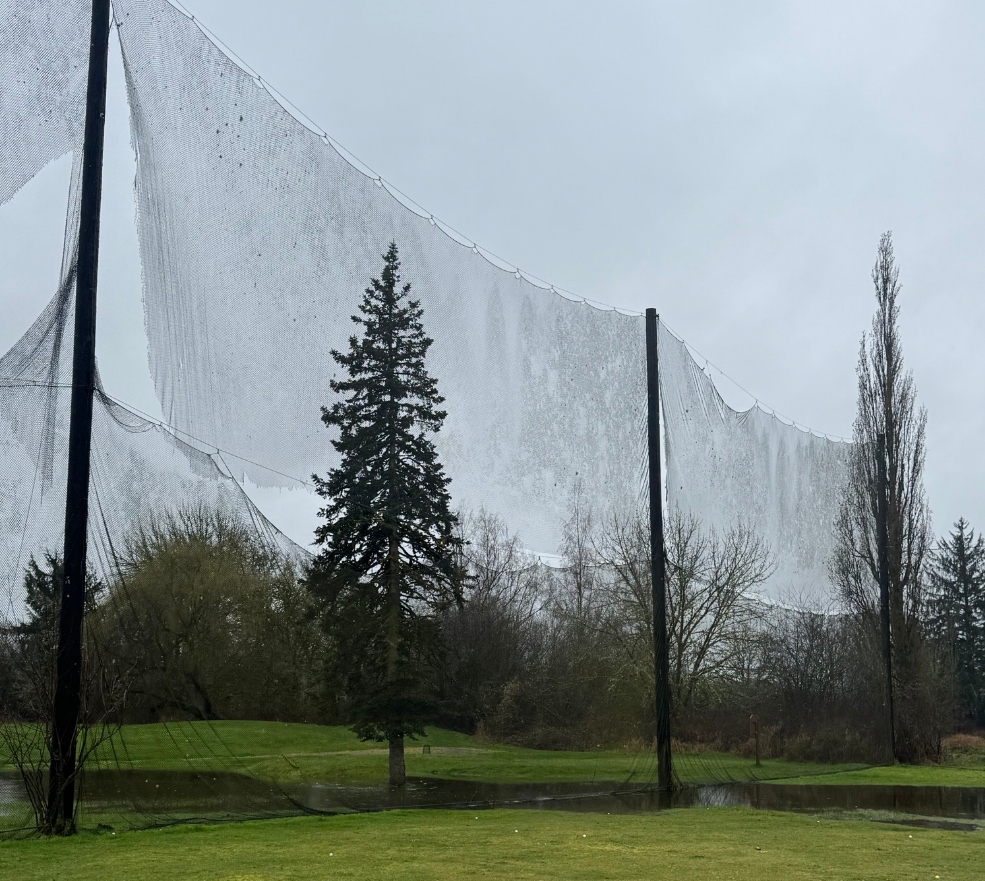
This is where the real cost begins to grow. A product purchased cheaply once may not actually be cheap if it has to be purchased again and again. The user becomes trapped in a loop: buy, fail, replace, repeat. Each individual purchase may look small, but the cumulative cost can quickly exceed the price of a single high-quality alternative that would have lasted much longer.
This pattern is common across consumer, commercial, and industrial purchasing. A $20 net replaced every year for five years is not a $20 decision. It is a $100 decision, plus the cost of time, handling, and repeated procurement. A durable $60 net that lasts the full period is the better economic choice, even before labor and inconvenience are factored in. That replacement cycle is one of the clearest reasons durable, long-lasting products are the new definition of cost-effective.
Calculating the True Cost: A Practical Example
To make the concept more concrete, consider a simple purchasing decision. A small organic farm needs bird netting to protect a 100-square-meter berry growing area. The farm is comparing two options.
| Metric | Option A: Standard Polyethylene Netting | Option B: High-Density Polyethylene (HDPE) Netting |
|---|---|---|
| Initial Purchase Price | $50 | $120 |
| Expected Lifespan | 2 years (degrades in UV light) | 8 years (UV-stabilized) |
| Annual Labor (Install/Remove) | 4 hours @ $20/hr = $80 | 3 hours @ $20/hr = $60 (easier to handle) |
| Repair Costs (over life) | $10 (for patches in Year 2) | $0 |
| Replacement Events (over 8 years) | 3 (at the end of Year 2, 4, 6) | 0 |
| Total Purchase Cost (8 years) | $50 (initial) + 3 × $50 = $200 | $120 |
| Total Labor Cost (8 years) | 8 years × $80/year = $640 | 8 years × $60/year = $480 |
| Total Cost over 8 Years | $200 (purchase) + $640 (labor) + $10 (repair) = $850 | $120 (purchase) + $480 (labor) + $0 (repair) = $600 |
| Annualized Cost | $106.25 per year | $75.00 per year |
This comparison makes the issue very clear. Option A appears cheaper at the time of purchase, but over eight years it becomes significantly more expensive. The HDPE netting in Option B saves the farm $250 over the evaluation period and delivers a much lower annualized cost. It also reduces labor requirements because the better-quality product is easier to handle.
This is the logic of TCO in practical terms. The higher upfront spend is not simply an added cost. It is an investment that lowers long-term operating expense. That is why durable, long-lasting products are the new definition of cost-effective when evaluated over the timeframe that actually matters.
Durability as a Financial Asset, Not an Expense
The final shift in perspective is to stop viewing the added cost of a durable product as a pure expense. In many cases, it is more accurate to treat it as an investment in a functional asset.
A disposable product provides short-term utility and then becomes a replacement problem. A durable product continues to generate value over a much longer period. For a business, that value may come through operational continuity, reduced downtime, lower replacement frequency, and more predictable cost control. For an individual, it may mean fewer repeat purchases, less wasted time, and greater day-to-day reliability.
In a commercial setting, this is easy to understand. A high-quality cargo net for a logistics company is not just a purchase. It is a working asset that secures loads, supports safe operation, and helps avoid loss events over time. A durable net retains its utility for longer, reduces incident risk, and supports business continuity.
The same principle applies on a smaller scale. A well-made tool, durable outdoor equipment, or reliable piece of property infrastructure continues to create value every year it stays in service. The money that does not need to be spent on repeat purchases remains available for other priorities.
This is a more accurate way to think about durability. A quality product is not simply more expensive. It is often more productive financially because it creates longer, steadier value. Once that mindset is adopted, the logic becomes much harder to ignore: durable, long-lasting products are the new definition of cost-effective.
Mitigating Risk and Enhancing Safety
In any system—construction, logistics, sports, agriculture, or everyday household use—the weakest component often determines the reliability of the whole. Product failure is never just a technical issue. It creates operational risk, financial exposure, and in some cases serious safety consequences.
That is why durability matters beyond simple economics. The same factors that make a product long-lasting—stronger materials, better engineering, and more disciplined quality control—also make it safer and more reliable. Choosing durable products is therefore not only a budgeting decision. It is also a practical risk-management decision.
The High Price of Product Failure
When a product fails, the replacement cost is usually the smallest part of the problem.
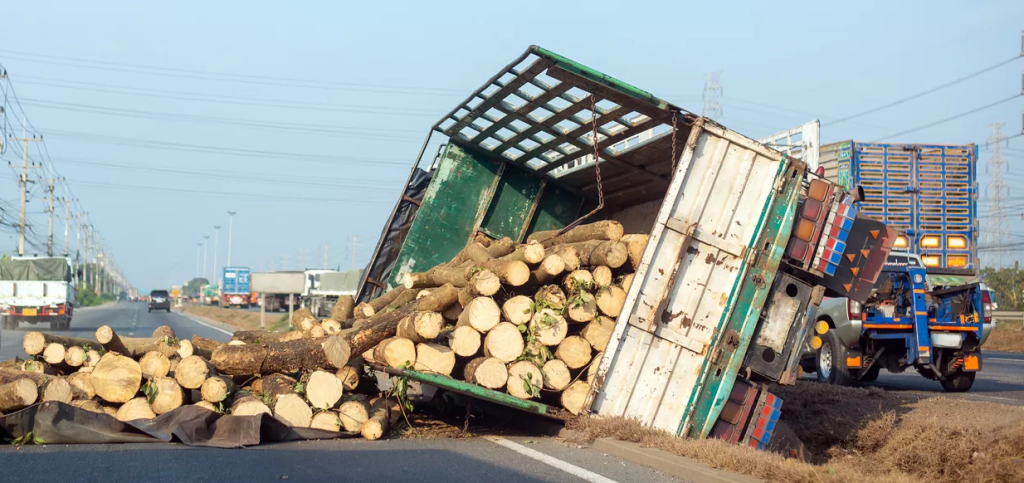
In commercial settings, the consequences can escalate quickly. A low-cost, unrated cargo net used to secure high-value freight may appear to reduce procurement cost. But if it fails in transit, the result may include lost cargo, damaged vehicles, claims exposure, delivery delays, regulatory consequences, and higher insurance costs. One failure event can create costs far beyond the original product price.
In sports and recreation, the consequences may involve injury. A low-quality backstop net that weakens under UV exposure can tear during use, potentially allowing a fast-moving ball to reach spectators or property outside the intended containment area. In domestic or consumer settings, similar failures can still be serious. A weak safety barrier, torn trampoline net, or poorly secured privacy screen can all create avoidable hazards.

This is where durable products create value in a different but equally important way. They reduce the probability of failure, which means they reduce the probability of the much larger costs that failure can trigger. That is another reason durable, long-lasting products are the new definition of cost-effective.
Material Science and Engineering for Durability
What makes one product durable and another prone to early failure is rarely a matter of luck. Durability is usually the result of deliberate decisions in design, material selection, and manufacturing control. In other words, it is engineered.
The process starts with raw materials. For products such as netting, this is especially important. A manufacturer focused on durability will choose materials such as High-Density Polyethylene (HDPE) or premium-grade nylon when the application requires strong UV resistance, abrasion resistance, or tensile performance. These materials are not selected because they sound better on paper. They are selected because their physical properties make them better suited to demanding real-world conditions.
HDPE, for example, provides strong resistance to moisture, chemical exposure, and abrasion. When it is also UV-stabilized, its resistance to sunlight degradation improves significantly, which makes it well suited to outdoor applications such as agricultural netting, barrier netting, and perimeter containment systems.
Nylon, by contrast, is often selected where high tensile strength and impact resistance are more important. It performs well in demanding dynamic-load applications, but may require additional treatment to improve long-term outdoor durability when exposed to sunlight or moisture.
Material choice, however, is only the first step. Those materials also have to be processed correctly. For netting, that includes how fibers are extruded, how twine is formed, and how the final structure is assembled. Product quality depends not only on what material is used, but also on whether it is manufactured consistently and to the right specification.
Construction quality is equally important. In netting, the final durability of the product depends on how the mesh is formed, whether the structure is knotted or knotless, how stress is distributed, and how the borders are reinforced. A durable net often includes strengthened perimeter construction, better stitching, stronger edge treatment, and a design that reduces failure at common stress points. These features are not decorative. They are part of the engineering that makes long-term performance possible.
This is what buyers are actually paying for when they choose a higher-quality product. They are not simply paying for a higher-priced item. They are paying for material science, structural design, and manufacturing discipline that reduce failure and extend usable life.
Case Study: Safety Netting in Construction and Sports
The value of durability becomes much clearer in applications where product failure can create serious financial or safety consequences. Construction safety netting and sports containment netting are two strong examples.
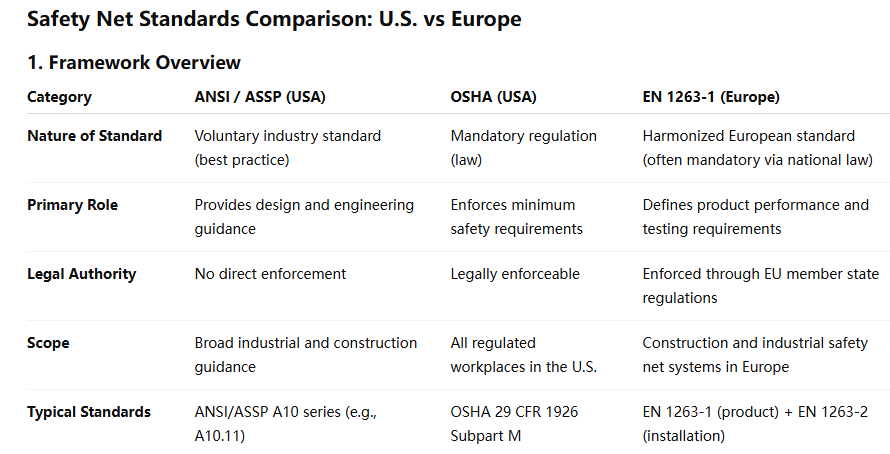
On a construction site, personnel safety netting is used to protect workers from fall-related injury. In these applications, product integrity is non-negotiable. Safety nets must be made from high-performance synthetic fibers, meet strict load and energy absorption requirements, and comply with formal standards such as OSHA requirements in the United States or EN 1263-1 in Europe. A low-cost, uncertified alternative may reduce initial procurement cost, but it introduces unacceptable risk. Here, durability is not just an operational benefit. It is part of the basic safety function of the product.
Construction debris netting creates a similar issue. It is used to contain tools, loose materials, and falling debris in active work zones. If that system fails, the result can include injury, public hazard, regulatory exposure, and immediate site disruption. In that context, investing in stronger, tear-resistant, standards-compliant netting is clearly the more responsible and cost-effective choice.

Sports containment netting offers another useful example. A golf driving range relies on barrier netting to contain high-speed golf balls and protect nearby property and people. These nets absorb repeated impact every day while remaining exposed to sunlight, weather, and tension. A low-grade net may weaken, tear, or develop localized failure points over time. If balls begin to pass through the barrier, the range operator is now facing liability exposure, property damage risk, and business interruption.

A durable netting system made with high-strength material and proper UV protection provides a much more stable solution. It maintains containment performance over time and reduces the likelihood of failure events that could create costs far greater than the original purchase price.
These examples show that in both construction and sports applications, durability is directly tied to safety, liability control, and operational continuity. That is one more reason durable, long-lasting products are the new definition of cost-effective.
Regulatory Compliance and Future-Proofing
In many sectors, product durability is not just a performance issue. It is also tied to regulatory compliance. Standards issued by organizations such as OSHA, ANSI, and relevant international bodies define the minimum requirements for products used in safety-sensitive or commercial environments.
Manufacturers focused on quality typically design products not only to meet those standards, but often to exceed them. That matters because compliance is not just about avoiding inspection problems. It is about reducing legal exposure, lowering operational risk, and protecting the user from preventable failure.
A low-cost product that does not meet applicable standards may seem like a short-term savings opportunity. In reality, it can expose a business to fines, forced replacement, shutdowns, or liability if a failure occurs. By contrast, a compliant and well-engineered durable product reduces those risks and provides more stable long-term value.
Durability also contributes to future-proofing. Regulatory standards tend to become more demanding over time, not less. A product built only to the lowest acceptable threshold today may become obsolete or non-compliant sooner than expected. A higher-quality product designed with stronger performance margins is more likely to remain acceptable over a longer service life.
That makes durability strategically valuable. A durable product is not only more likely to perform well now. It is also more likely to remain suitable as standards, expectations, and operating requirements evolve.
The Environmental Dividend of Longevity
The benefits of product durability are not limited to cost control and safety. They also extend to environmental performance. Modern consumption patterns are still heavily shaped by a linear model: extract raw materials, manufacture products, use them briefly, and then discard them. That model creates large amounts of waste, places ongoing pressure on natural resources, and generates substantial emissions through repeated production and disposal.
Extending product life directly reduces that burden. When a product lasts longer, fewer replacements are needed. That means fewer raw materials extracted, fewer products manufactured, fewer shipments moved through supply chains, and less waste sent to landfill or lower-value end-of-life processing.
From that perspective, durability is not just a product attribute. It is a sustainability strategy. Choosing long-lasting products is one of the most practical ways to reduce the environmental impact associated with repeated consumption.
This is one reason durability aligns so closely with the principles of the circular economy. A circular model aims to keep products and materials in use for longer, extract more value from them during their service life, and reduce unnecessary waste. Product longevity is therefore one of the most direct ways to support a more sustainable system of production and use.
Moving Beyond a Throwaway Culture
The widespread habit of buying low-cost products, using them briefly, and replacing them when they fail has contributed to a throwaway culture that is now increasingly difficult to justify. This model may offer convenience in the short term, but it creates waste, encourages repeated spending, and normalizes low expectations for product performance.
Many inexpensive products are effectively built around short lifespan assumptions. In some cases, that is simply the result of poor materials or cost-cutting. In other cases, it reflects a broader business logic in which rapid replacement is built into the model. Either way, the result is the same: products fail sooner, waste volumes rise, and users are pushed back into the replacement cycle.
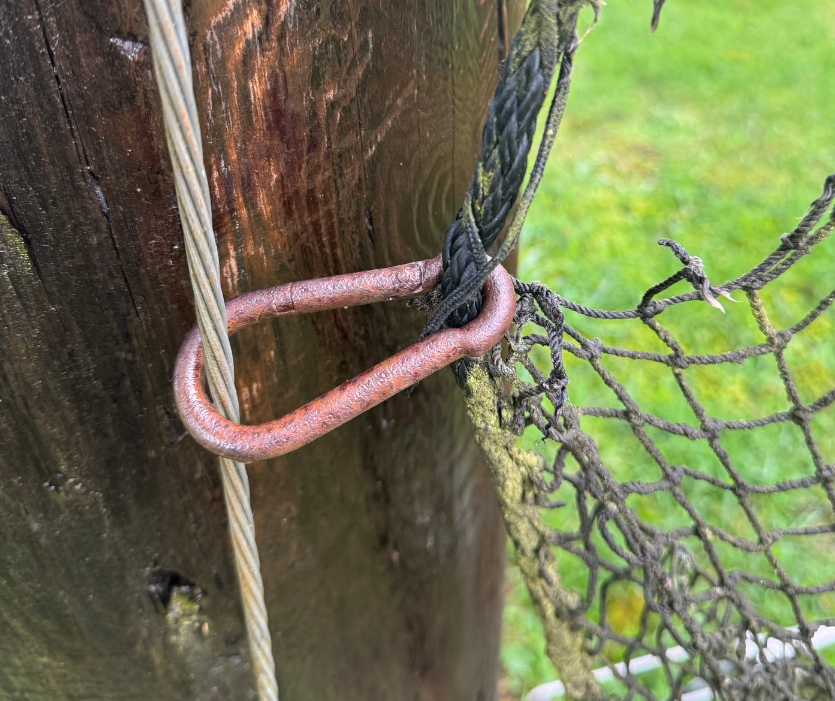
Choosing durable products is a direct rejection of that model. It shifts the focus from short-term price to long-term value. A product that lasts ten years instead of one does not simply save money. It also eliminates the environmental burden of manufacturing, packaging, transporting, and discarding multiple replacement items over the same period.
This shift also changes how people think about ownership and maintenance. A durable product encourages care, repair, and longer-term use. It creates a stronger relationship between the user and the product because the item is designed to remain useful, not disposable.
That cultural shift matters. It is part of what supports the broader case that durable, long-lasting products are the new definition of cost-effective—not only in financial terms, but also in environmental and operational terms.
The Circular Economy in Practice
The circular economy offers a more sustainable alternative to the traditional linear model of take, make, and dispose. Its core objective is to keep products, components, and materials in use for as long as possible while reducing waste and preserving value.
Durable products fit naturally into this model. A long-lasting product stays in active use longer, which means more value is extracted from the resources used to make it. That alone makes it more efficient than a short-life alternative.
If the product also remains functional after its first ownership cycle, it may be reused, resold, refurbished, or repurposed. High-quality tools, industrial equipment, durable furniture, and long-life infrastructure materials all benefit from this kind of extended use. Their quality makes secondary life practical, which is rarely the case for low-grade disposable goods.
If direct reuse is no longer possible, a durable product is often a stronger candidate for refurbishment or remanufacturing because the core materials and structure are still worth recovering. At the end of its useful life, it may also be easier to recycle if it was built from better, more recoverable materials.
A low-cost disposable product often fails at every one of these stages. It wears out too quickly for extended use, has little secondary value, is difficult to repair, and may not be worth processing for material recovery. That is why durability is such an important part of circularity. It supports reuse, recovery, and reduced waste at every stage of the lifecycle.
Reducing Carbon Footprint Through Extended Product Lifecycles
A large portion of a product’s environmental impact comes from raw material extraction and manufacturing. These stages usually account for a significant share of the product’s carbon footprint. When a product is replaced frequently, those emissions are repeated again and again.
Extending product life lowers the annualized carbon footprint because the original manufacturing burden is spread across a longer service period. The product may still require more resources upfront, but if it lasts substantially longer, the emissions per year of use are often lower.
Consider a simple comparison between two garden safety fence systems used over a 12-year period:
| Metric | Option A: Lightweight Plastic Fencing | Option B: Galvanized Steel Core with PVC Coating |
|---|---|---|
| Expected Lifespan | 3 years | 12+ years |
| Replacements (over 12 years) | 3 (at Year 3, 6, 9) | 0 |
| Total Products Manufactured | 4 (1 initial + 3 replacements) | 1 |
| Embodied Carbon (per unit) | 10 kg CO2e | 30 kg CO2e |
| Total Manufacturing Emissions | 4 units × 10 kg CO2e/unit = 40 kg CO2e | 1 unit × 30 kg CO2e/unit = 30 kg CO2e |
| Waste Generated (at end of life) | 4 units × 5 kg/unit = 20 kg to landfill | 1 unit × 15 kg/unit (largely recyclable) |
| Annualized Carbon Footprint | 40 kg CO2e / 12 years = 3.33 kg CO2e/year | 30 kg CO2e / 12 years = 2.5 kg CO2e/year |
Even though the durable fence has a higher embodied carbon footprint at the point of manufacture, it delivers a lower total environmental burden over the evaluation period because it avoids repeated replacement. It also generates less waste and offers stronger recovery potential at end of life.
This is exactly why lifecycle analysis matters. It shows that lower upfront environmental impact per unit does not always mean lower impact over time. In many cases, buying fewer, better products is one of the most effective ways to reduce both waste and carbon emissions.
The Role of Repairability and Maintenance
Durability and repairability are closely connected. A product may be built from strong materials, but if one minor component fails and cannot be repaired or replaced, the entire product may still become unusable long before its core structure is worn out. That is why long-term value depends not only on how long a product can last in theory, but also on whether it can be maintained in practice.
A repairable product is designed with service life in mind. That may mean replaceable components, accessible fasteners, available spare parts, or a structure that allows basic maintenance without destroying the product itself. In practical terms, this can make a major difference in Total Cost of Ownership.
Take agricultural shade cloth as an example. If a low-quality sheet develops a tear, that tear may spread quickly until the product is no longer usable. A stronger rip-resistant material, by contrast, may limit tear propagation. If patch kits or repair guidance are also available, the user may be able to restore the product at very low cost and continue using it for several more seasons.
That is where repairability becomes part of cost-effectiveness. It protects the value already invested in the product. Instead of forcing full replacement because of one localized issue, it allows maintenance to extend service life and lower lifecycle cost. This is one more reason durable, long-lasting products are the new definition of cost-effective.
Superior Performance and User Experience
Cost, safety, and environmental performance are all important. But there is another part of product value that matters just as much in daily use: performance. A product is supposed to do a job. The more consistently and effectively it does that job, the more value it creates.
High-quality durable products generally perform better than their low-cost alternatives not just when they are new, but over the full period of use. That matters because product performance is not a one-time feature. It affects efficiency, convenience, reliability, and the user’s confidence every time the product is used.
How Quality Translates to Functionality
The same factors that improve durability usually improve performance as well. Better raw materials, stronger engineering, tighter tolerances, and more thoughtful construction all tend to produce better functional results.
Consider a lacrosse goal net. A low-cost net made from thin, highly stretchable material may sag excessively, distort under repeated impact, or lose proper tension over time. In wet conditions, it may absorb water, become heavier, and perform even less consistently. Eventually, it may stop doing its job reliably.

A higher-quality net designed for performance behaves differently. It may use stronger, lower-stretch material, more consistent mesh construction, and protective treatment that preserves its structure in sun and weather. As a result, it holds shape better, performs more consistently, and provides a more dependable response during use.
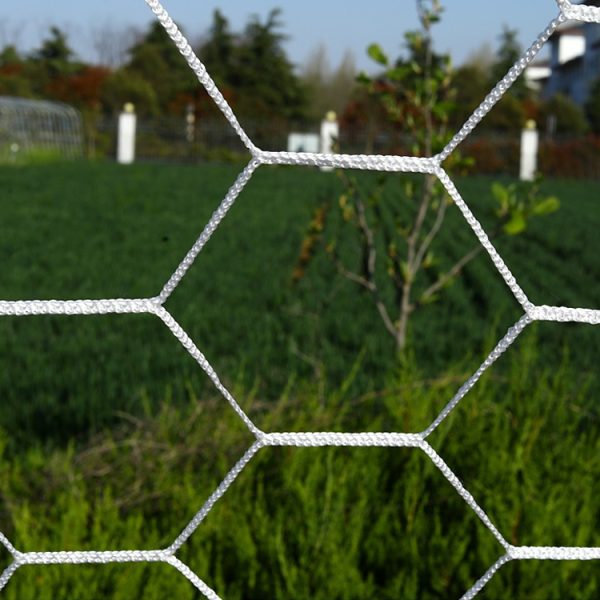
High-Tension Sports 7 Players Competition Soccer Goal Nets
Our Football Goal Net combines impact strength, weather resistance, and customizable design, providing dependable performance and extended service life for modern football facilities.
This principle applies across many product categories. A well-made knife cuts more cleanly and safely. A durable backpack carries weight more comfortably and predictably. A stable, accurately manufactured monitor reduces visual distortion and supports better design work. The point is the same: quality is not only about how long the product survives. It is also about how well it functions throughout its life.
That is a major part of the value equation. Durable, long-lasting products are the new definition of cost-effective not only because they reduce replacement frequency, but because they perform better while they remain in service.
The Psychological Comfort of Reliability
Reliable products provide another form of value that is harder to measure but still very real: peace of mind. When a tool, device, or system works consistently, it reduces background stress. It allows the user to focus on the task rather than on whether the equipment will fail.
That psychological comfort matters more than it may seem. Unreliable products create interruption, uncertainty, and low-level frustration. They demand attention at the wrong moment. They force the user to compensate for weakness, double-check performance, or prepare for failure even when the task itself should be straightforward.
By contrast, a dependable product creates confidence. A contractor using a well-built tool expects it to perform correctly every time. A facility manager relying on a properly specified safety barrier can focus on broader site operations instead of worrying about whether one weak product will become the source of a problem. A parent who installs a strong safety gate or containment barrier experiences the same thing on a personal level: less doubt, less stress, and more trust in the environment.
That benefit may not appear directly in a spreadsheet, but it still contributes to overall value. Products that work reliably reduce friction in everyday use. They support efficiency, concentration, and confidence. That is another important part of why durable, long-lasting products are the new definition of cost-effective.
Long-Term Consistency in Professional Applications
In professional environments, consistency is critical. Operations depend on predictable performance. Whether the context is manufacturing, agriculture, sports, construction, logistics, or facility management, equipment that performs inconsistently creates risk, inefficiency, and avoidable variability.
Durable products help maintain consistency because they are designed to hold their performance characteristics over time. That includes structural integrity, dimensional stability, load capacity, and functional reliability.
For example, a commercial greenhouse using shade cloth depends on a consistent shading level to support crop performance. If the material degrades quickly under UV exposure, the light control changes, and so does the growing environment. That can affect yield, crop quality, and operating predictability. A durable UV-stabilized material helps maintain the specified shading performance over time.
The same logic applies in sports applications. A tennis net or training barrier must maintain its shape, tension, and position to support consistent practice conditions. A cheaper product that stretches, sags, or degrades unevenly introduces inconsistency that reduces its practical value.
In logistics and industrial containment, the consequences may be even more significant. Fleet operators and site managers need to know that safety equipment and restraint systems will perform to the required standard every time they are used. That kind of operational consistency is one of the strongest business arguments for investing in durable products.
The Value of Brand Trust and Reputation
For manufacturers, durability is also a brand strategy. A company can claim quality in its marketing, but the real proof is in how the product performs over time. When a product remains reliable year after year, it builds trust. That trust becomes one of the most valuable assets a brand can have.
Customers remember products that fail early, but they also remember products that continue to perform well long after purchase. Brands known for durability develop reputations that support repeat business, stronger customer loyalty, and less sensitivity to price-based competition. Buyers become more willing to pay for quality when they trust that the product will justify the investment.
That creates long-term commercial value. A company that builds products to last can differentiate itself in crowded markets where many competitors focus only on price. It can also reduce warranty claims, returns, service issues, and the reputational damage associated with poor product performance.
The opposite is also true. A brand associated with unreliable, low-quality products may generate short-term sales, but it will struggle to build lasting customer confidence. Over time, that weakens both pricing power and loyalty.
From a business perspective, durability is therefore not only a product advantage. It is also a trust-building mechanism that supports brand strength and long-term competitiveness.
Fostering a Culture of Value and Sustainability
The shift toward durable products is more than a technical argument about materials or cost models. It also reflects a broader cultural shift in how value is understood.
For many years, low upfront price and rapid replacement became normalized across many product categories. But that approach is increasingly being questioned by both consumers and businesses. More buyers are recognizing that a low initial price does not always represent good value, especially when poor durability leads to repeated expense, waste, and frustration.
This change is being supported by several forces. Consumers have better access to product reviews and long-term user feedback. Businesses face greater pressure to improve sustainability performance and lifecycle efficiency. Regulators are also paying more attention to repairability, product lifespan, and responsible manufacturing practices.
Together, these forces are helping build a culture that values durability, repair, and long-term use over disposable convenience. That shift matters because it changes purchasing behavior in a more sustainable direction. It supports products that are worth maintaining, brands that are worth trusting, and systems that reduce waste instead of normalizing it.
In that broader sense, durable, long-lasting products are the new definition of cost-effective not only because they lower TCO, but because they align economic value with operational responsibility and environmental sustainability.
Frequently Asked Questions (FAQ)
Q1: Isn’t it always cheaper to buy the low-cost option first, especially if my budget is tight?
The immediate cash outlay may be lower, but that does not usually make it the more cost-effective option over time. Total Cost of Ownership includes replacement, maintenance, downtime, and failure-related costs. A low-cost product that has to be replaced multiple times can easily become more expensive than a single durable product. When short-term budget limits make the lower-cost option necessary, the long-term goal should still be to move out of the replacement cycle and into more durable purchasing decisions.
Q2: How can I assess a product’s durability before buying?
Look at both material quality and construction details. For outdoor applications, check for materials such as UV-stabilized HDPE or other weather-resistant polymers. Review reinforcement at stress points, edge construction, hardware quality, and whether the design supports repair or maintenance. Independent reviews and long-term user feedback are also useful. A strong warranty is often another good sign that the manufacturer has confidence in the product’s service life.
Q3: Are durable products always significantly more expensive upfront?
Not always. In some cases, the premium is meaningful. In others, the price difference is smaller than expected, especially compared with the increase in service life or performance. The key is to compare the increase in price against the increase in expected lifespan and the reduction in ongoing cost. A product that costs 50% more but lasts three times as long is usually the better investment.
Q4: What is planned obsolescence, and how does it relate to this topic?
Planned obsolescence refers to products being designed with a limited useful life or reduced repairability so they are replaced sooner than necessary. This can happen through weak materials, inaccessible components, lack of spare parts, or the removal of service support. It directly opposes the idea of durability. Choosing products designed for longevity and repair is one way to reject that model and support more responsible product development.
Q5: Does buying durable products really make a meaningful environmental difference?
Yes. A large share of environmental impact comes from extracting materials, manufacturing products, and managing waste at end of life. Every time a product is replaced, those impacts are repeated. Extending product life reduces that repetition, lowers total waste, and spreads the original production burden across a longer useful period. In practical terms, buying fewer, better products is one of the most effective ways to reduce lifecycle environmental impact.
Q6: How does repairability affect long-term cost?
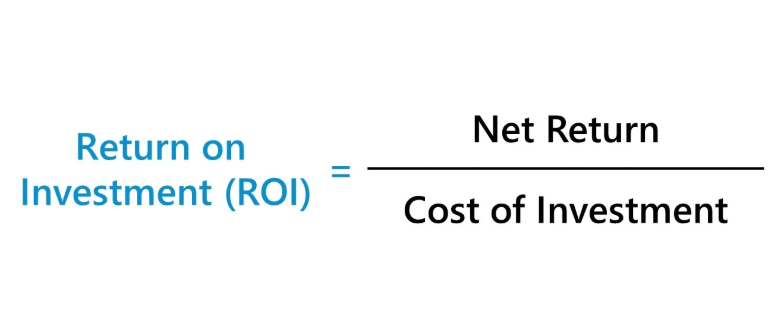
Repairability protects the value already built into a product. If a minor part fails and the item cannot be repaired, the whole product may need to be replaced earlier than necessary. A repairable design allows low-cost maintenance to solve localized problems and keep the product in service longer. That directly improves return on investment and lowers lifecycle cost.
Q7: Can a small business afford to invest in durable equipment?
For many small businesses, durable equipment is not a luxury. It is a way to reduce operational risk and protect profitability. Equipment failure can interrupt work, delay service, or create direct revenue loss. A more reliable product may cost more upfront, but it often lowers total cost over time by reducing downtime, replacement frequency, and maintenance problems. In that sense, durability often supports better financial control rather than weaker cash management.
Conclusion
The definition of cost is changing. A low price at the point of purchase is no longer enough to define good value on its own. When products are evaluated over their full lifecycle, the hidden costs of cheap, disposable goods become much harder to ignore. Replacement cycles, downtime, maintenance burden, performance inconsistency, safety exposure, and environmental waste all change the real economics of the decision.
That is why durability matters. Products built to last provide better long-term financial performance, stronger reliability, lower operational risk, and a more sustainable pattern of use. They also improve everyday experience by working more consistently and reducing the uncertainty that often comes with lower-quality alternatives.
For consumers, businesses, and organizations alike, the logic becomes increasingly clear once the full picture is considered. Durable, long-lasting products are the new definition of cost-effective not because they are always cheapest at the moment of purchase, but because they create better value over the period that actually matters: the full life of the product.

Read our most popular articles.
👉 Download our free product categories
👉 A 5-Point Buyer’s Guide to The True Cost of Sourcing: Beyond the Price Tag
👉 7 Proven Advantages of Sourcing Directly from a Factory — Your 2025 ROI Guide
👉 The 2026 Chinese Manufacturing vs. Local Suppliers: A Netting Buyer’s Guide
👉 A Practical Custom Netting vs. Off-the-Shelf: A Cost-Benefit Analysis with 7 Factors
👉 How to Start a Private Label Netting Business: A 5-Step Framework for Work
👉 A Practical 5-Point Checklist for Choosing Custom Netting Solutions