
The selection and implementation of greenhouse netting represent a foundational decision for commercial growers, profoundly influencing crop health, yield, and economic viability. This guide examines the multifaceted role of netting, moving beyond its function as a simple physical barrier to explore its capacity as a tool for microclimate modification and integrated pest management (IPM).

An in-depth analysis of material science, focusing on the properties of High-Density Polyethylene (HDPE) and the significance of UV stabilization, provides a basis for understanding product longevity and performance. The guide differentiates between netting types, including insect, shade, and photoselective nets, elucidating how mesh density, color, and construction (woven vs. knitted) can be tailored to specific cultivation goals and environmental challenges. By situating netting within a broader IPM framework, it highlights the potential to reduce chemical pesticide dependency, thereby supporting more sustainable and resilient agricultural systems.
Ultimately, this document serves as a resource for growers to make informed, strategic investments in netting solutions that protect crops and enhance profitability.
Key Takeaways
- Choose netting material and mesh size based on specific target pests and climate.
- Proper installation and regular maintenance are paramount for extending netting lifespan.
- Integrate netting as a physical barrier within a broader Integrated Pest Management (IPM) strategy.
- Understanding the principles in this Greenhouse Netting 101: A Comprehensive Guide for Commercial Growers optimizes crop protection.
- Evaluate the Total Cost of Ownership (TCO), not just the initial price, for better ROI.
- Leverage shade netting to manage temperature and light, reducing plant stress.
- Consider custom netting solutions for unique greenhouse structures and needs.
Understanding the Fundamental Role of Greenhouse Netting
Embarking on the cultivation of crops within a controlled greenhouse environment is an exercise in precision. Every input, from water to light to nutrients, is carefully managed. Yet, the barrier between this managed ecosystem and the unpredictable world outside is often the most underappreciated component: the netting. To view greenhouse netting as a mere screen is to miss its profound influence on the entire growing operation. It is not a passive element but an active manager of the greenhouse environment, a silent partner in the pursuit of quality and yield.

Beyond a Simple Barrier: Netting as a Microclimate Modifier
Imagine your greenhouse as a vessel. Without proper covering, it is open to every whim of the external environment—infestations of insects, the harshness of midday sun, the force of driving winds. Netting acts as the primary membrane of this vessel, selectively filtering what enters and leaves. Its most obvious function is physical exclusion, a concept central to Integrated Pest Management (IPM) (Cavanagh, 2022). By installing netting with an appropriate mesh size, you are quite literally building a wall against pests like thrips, aphids, and whiteflies, preventing them from ever reaching your crops.
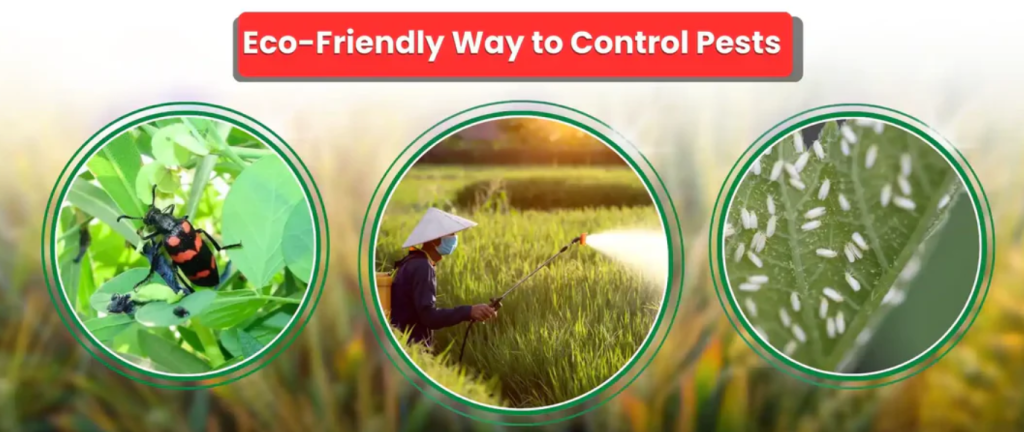
The role of netting extends far beyond this gatekeeping function. Consider the impact of shade netting. It does not simply block light; it diffuses it. This diffusion can reduce hotspots, lower leaf surface temperature, and prevent scorching, allowing photosynthesis to continue efficiently even during peak sunlight hours. This modulation of light and temperature creates a less stressful, more productive microclimate.
The choice of net color and density can further tune this environment, reducing heat buildup and managing humidity levels by controlling airflow. In this sense, the netting becomes a dynamic tool for climate control, working in concert with ventilation and heating systems to create the optimal conditions for plant growth (Van ‘t Ooster, 2025).
The Economic Imperative: How Netting Impacts Profitability
For a commercial grower, every decision must be weighed on the scales of cost and return. The investment in high-quality greenhouse netting is not merely an expense; it is a direct investment in the protection of revenue. Think of the potential losses from a single, uncontrolled pest outbreak. The cost of damaged or unsalable produce, coupled with the expense of emergency pesticide applications, can be devastating. A properly installed insect net acts as an insurance policy against such events, dramatically reducing the probability of catastrophic crop loss.
This economic calculation extends to the reduction of ongoing operational costs. By physically excluding pests, the need for routine chemical spraying is significantly diminished. This leads to direct savings on pesticides, labor for application, and the energy required to run spraying equipment. Furthermore, in an era of increasing consumer demand for sustainably grown produce, a reduced-pesticide approach can open doors to premium markets and certifications, as noted in guides for organic production (Greer et al., 2025).
The improved crop quality—fewer blemishes, more uniform growth—that results from a stable, protected microclimate also translates directly into a higher market value per unit. The initial outlay for netting is thus recouped over time through lower costs and higher revenues, making it one of the most effective capital investments a grower can make.
Integrating Netting into a Holistic Crop Management Strategy
Effective greenhouse management is a system of interconnected parts. Netting cannot be treated as a standalone solution. Its success is contingent upon its integration into a comprehensive strategy. For example, the very act of installing high-density insect netting will restrict airflow. This is a physical reality that must be accounted for in the greenhouse’s overall ventilation design. Growers may need to compensate with more powerful fans or a different ventilation strategy to maintain optimal air exchange and prevent the buildup of heat and humidity.
Likewise, netting is the cornerstone, not the entirety, of an IPM program. It is the first line of defense, but it must be supported by regular scouting for pests that may have breached the barrier, the use of biological control agents (beneficial insects), and sound sanitation practices within the greenhouse (Schnelle & Rebek, 2017). Imagine a fortress. The netting is the high wall, but you still need guards on patrol and a clean, well-organized interior to ensure the fortress remains secure. When netting is viewed as part of this holistic system, its efficacy is magnified, creating a resilient and robust growing environment that is less susceptible to shocks and easier to manage.
Decoding Materials and Manufacturing: The Science Behind Durability
Not all netting is created equal. The seemingly simple mesh is a product of sophisticated material science and manufacturing processes. A grower’s ability to discern quality at this level is what separates a short-term fix from a long-term investment. The material composition, the method of construction, and the treatments applied to the fibers all contribute to the netting’s performance, its lifespan, and its ultimate value to your operation. Investing in a durable, well-made product from a reliable manufacturer of agricultural netting products is fundamental to achieving long-term crop protection.
High-Density Polyethylene (HDPE): The Industry Standard
If you were to examine most high-quality agricultural nettings under a microscope, you would find fibers of High-Density Polyethylene, or HDPE. There is a good reason for its ubiquity. HDPE is a thermoplastic polymer known for its impressive strength-to-density ratio. Think of it as a material that is both lightweight and remarkably tough. This is a perfect combination for greenhouse applications, where the netting must be strong enough to withstand wind, rain, and physical tension without adding excessive weight to the greenhouse structure.
HDPE is also chemically inert and resistant to moisture. This means it will not rot, mildew, or degrade when exposed to the humid conditions inside a greenhouse or the chemicals used in fertilizers and some cleaning agents. Its inherent durability makes it a far superior choice to less robust materials that might break down after only a season or two of use. When you select a netting product, confirming that it is made from 100% virgin HDPE (not recycled material, which can have impurities) is a primary step in quality assurance.
Understanding UV Stabilization and Its Long-Term Value
Perhaps the single greatest threat to any plastic material left outdoors is the sun. Ultraviolet (UV) radiation from sunlight acts like a barrage of tiny molecular scissors, breaking down the polymer chains that give plastic its strength and flexibility. Unprotected plastic will become brittle, discolored, and weak, eventually cracking and falling apart. This is why UV stabilization is not a luxury; it is a necessity for greenhouse netting.
During the manufacturing process, specialized chemical additives, known as UV stabilizers, are integrated directly into the HDPE resin. These stabilizers work in one of two ways. Some, like Hindered Amine Light Stabilizers (HALS), actively trap and neutralize the free radicals created by UV radiation, preventing them from causing further degradation. Others act as UV absorbers, essentially sacrificing themselves by absorbing the harmful radiation and dissipating it as a small amount of heat. A high-quality net will contain a sophisticated package of these stabilizers, carefully calculated to provide protection for a specific number of years or “kilo-Langleys” (a unit of solar radiation). Asking a supplier about the UV warranty and the type of stabilization package used is a crucial piece of due diligence. It is the difference between a net that lasts five to ten years and one that fails after two.
Comparing Woven vs. Knitted Construction
Once the HDPE fibers are created, they must be assembled into a mesh. The two primary methods for this are weaving and knitting. The choice between them has significant implications for the net’s strength, flexibility, and behavior when damaged.

Woven Netting: This is created by interlacing two sets of fibers at right angles, much like the fabric in a cotton shirt. The result is a very stable, strong, and rigid material. Woven nets do not stretch much, which can be an advantage in applications where tautness is required, like in fixed screen installations. However, their primary drawback is that if a fiber is cut or broken, the weave can begin to unravel, potentially creating a larger hole over time.
Knitted Netting: This method involves interlocking a series of loops from a single continuous thread, similar to a sweater. This construction gives the netting inherent flexibility and stretch. A major advantage of knitting is that it is “lock-stitched.” If a thread in a knitted net is cut, the loops around it hold their position, preventing the hole from expanding or the net from unraveling. This makes it exceptionally durable and resilient against tearing and abrasion. For most greenhouse applications, especially those covering large areas or vents where movement and stress are common, knitted netting is the superior choice.
| Feature | Woven Netting | Knitted Netting |
|---|---|---|
| Construction | Interlaced perpendicular threads | Interlocked loops of continuous thread |
| Strength | High tensile strength, rigid | Strong, but with flexibility and stretch |
| Durability | Prone to unraveling if cut or torn | “Lock-stitch” design prevents unraveling |
| Flexibility | Low stretch, very stable dimensions | Moderate stretch, flexible and forgiving |
| Best Use Cases | Fixed frame screens, situations needing high stability | Vent covers, retractable screens, large spans |
| Airflow | Can be slightly lower due to tight weave | Generally better airflow due to open loop structure |
Selecting the Right Mesh Density and Porosity
After settling on a high-quality material, the next critical decision revolves around the geometry of the net itself: the size of the holes. This is defined by mesh density, often expressed as threads per inch or centimeter, or as a “mesh number” (e.g., 50 mesh). This single parameter creates a fundamental trade-off that every grower must navigate: the balance between pest exclusion and environmental control. Choosing the correct density is not a guessing game; it is a calculated decision based on the specific threats you face and the climate you operate in.
The Critical Relationship Between Mesh Size and Pest Exclusion
The principle here is simple mechanical blockage. The holes in the net must be smaller than the body of the insect you intend to exclude. This requires an understanding of the morphology of your target pests. Thrips, for instance, are notoriously difficult to control because they are incredibly small, with some species being as narrow as 0.5 mm. To effectively block them, you need a very high-density net, typically 50 mesh or higher. Aphids and whiteflies, being slightly larger, can be excluded by nets with a slightly larger opening, such as a 40-mesh screen (Eyouagro, n.d.).
Imagine you are a security guard for a building. If you are trying to stop people from getting in, a standard doorway works. If you are trying to stop mice, you need to seal every tiny crack in the foundation. It is the same principle. You must identify your smallest, most persistent threat and select a mesh size that is functionally impenetrable to that specific pest. This is the foundation of using netting as a preventative, rather than a reactive, pest control tool.
Balancing Pest Control with Airflow and Temperature Regulation
Herein lies the central challenge. As you decrease the size of the holes in the netting to exclude smaller pests, you are also reducing the total open area through which air can pass. This reduction in porosity has two immediate consequences: reduced ventilation and increased temperature.
A dense, 50-mesh net can significantly impede natural airflow, especially on calm days. This can lead to a buildup of heat and humidity inside the greenhouse. In a hot climate, this effect can be dramatic, potentially raising the internal temperature by several degrees Celsius compared to a less dense net or an open vent. This “greenhouse within a greenhouse” effect can cause heat stress in plants, reduce the efficiency of photosynthesis, and create a more favorable environment for certain fungal diseases that thrive in high humidity.
Therefore, the grower must perform a careful balancing act. In a region with high thrips pressure but a moderate climate, a 50-mesh net might be the perfect solution. However, in a hot, arid region like Arizona or southern Spain, using that same 50-mesh net without a corresponding upgrade in mechanical ventilation (i.e., more powerful fans) could be disastrous for the crop. The decision requires a holistic assessment of pest pressure, regional climate, and the greenhouse’s existing climate control systems.
A Practical Guide to Mesh Counts for Common Pests
To make this decision more concrete, it helps to have a clear reference. The mesh count refers to the number of threads per linear inch. A higher number indicates a denser mesh with smaller holes.
| Mesh Count (Threads/inch) | Hole Size (approx. microns) | Primary Target Pests | Airflow Reduction |
|---|---|---|---|
| 17-20 Mesh | ~1000-1200 µm | Butterflies, moths, large flies, birds | Low |
| 25 Mesh | ~800 µm | Leafminers, larger whiteflies | Low to Moderate |
| 40 Mesh | ~400-450 µm | Most whiteflies, aphids, leafhoppers | Moderate |
| 50 Mesh | ~300-350 µm | Thrips, some smaller aphids | High |
| 60 Mesh | ~250 µm | Smallest thrips, spider mites | Very High |
This table serves as a starting point. It is always wise to consult with local agricultural extension services or a knowledgeable netting supplier to confirm the prevalent pest species and sizes in your specific region. For example, the Western flower thrips (Frankliniella occidentalis) is a common target that necessitates a high-mesh screen. Making an informed choice based on data, rather than assumption, is key to the success of your pest exclusion strategy.
A Deep Dive into Specialized Netting Types
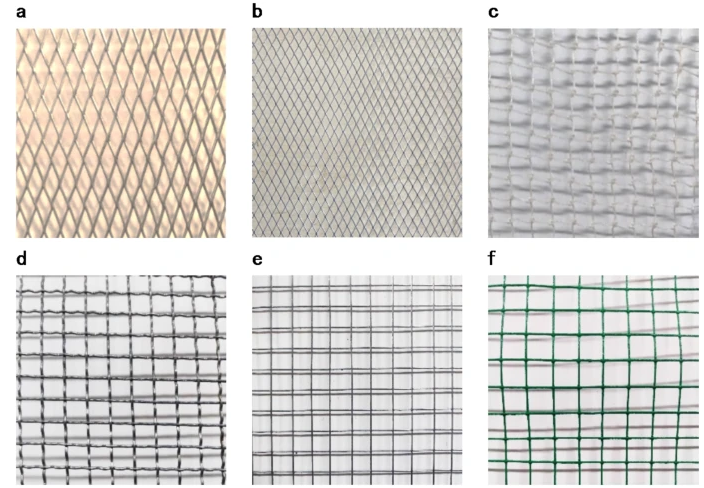
The world of greenhouse netting is not monolithic. Beyond the basic parameters of material and mesh size, a fascinating array of specialized nets has been developed to address specific agricultural challenges. These advanced nettings leverage color, light spectrum manipulation, and unique physical properties to go beyond simple exclusion and actively influence plant growth, pest behavior, and the overall greenhouse environment. Understanding these options allows a grower to fine-tune their protection strategy with remarkable precision.
Insect Netting: Your First Line of Defense
This is the most common and foundational type of greenhouse netting. Its primary purpose, as discussed, is the physical exclusion of insect pests. Typically made from UV-stabilized HDPE, its defining characteristic is its mesh density. As detailed in the previous section, the choice of an insect net—be it a 25, 40, or 50-mesh—is a direct response to the size of the target insect.

However, modern insect nets are more than just a physical screen. Some incorporate specific colors that can have a deterrent effect on insects. For example, certain shades of yellow can be highly attractive to pests like whiteflies, and are thus used in sticky traps, not in exclusion netting. Conversely, research has explored nets with colors or optical properties that confuse or repel insects, adding a behavioral component to the physical barrier. When selecting an insect net, the primary consideration remains the mesh size, but it is worth inquiring about any secondary, anti-insect properties that may be built into the product’s design. This is a critical component of any IPM program in commercial greenhouses (Schnelle & Rebek, 2017).

Shade Netting: Managing Light Intensity and Heat
While sunlight is the engine of photosynthesis, too much of a good thing can be damaging. Excessive light intensity, particularly when combined with high temperatures, can lead to photoinhibition (a light-induced reduction in photosynthetic capacity), scorching of leaves and fruit, and general heat stress. Shade netting is the tool for managing this.

These nets are defined by their “shade factor,” expressed as a percentage. A 40% shade net blocks 40% of the incoming light. The required percentage depends on the crop, the geographical location, and the time of year. A grower in a northern climate might use a 30% net for a few months in high summer, while a grower in a desert region might need a 50% or 60% net for the majority of the growing season.
The color of the shade net also plays a significant role.

- Black netting is the most common and acts as a neutral density filter, reducing the quantity of light across the entire spectrum without altering its quality. It is also the most effective at reducing heat.
- White netting reduces light quantity but also diffuses it more effectively. It reflects a significant portion of the solar radiation, which means it reduces light levels without trapping as much heat underneath it as a black net. This can be a major advantage in hot climates where you want to reduce light but minimize temperature gain.
- Other colors, like red or blue, are less common for simple shading and fall more into the category of photoselective nets.
Photoselective and Chromatic Nets: Influencing Plant Behavior
This is where netting graduates from a protective material to a true growth regulator. Photoselective nets are designed to not only reduce light intensity but also to alter the spectral quality of the light that passes through. Plants are exquisitely sensitive to the light spectrum. The ratio of red to far-red light, for example, influences everything from stem elongation to flowering time. Blue light affects leaf thickness and chlorophyll content.

By manufacturing nets with specific pigments, it is possible to create a light environment that encourages desirable plant responses.
- Red nets have been shown to increase vegetative growth, stem thickness, and leaf size in some ornamental and fruit crops. They can promote vigor and biomass accumulation.
- Blue nets can encourage a more compact, dwarfed growth habit, which can be desirable for producing sturdy seedlings or potted plants.
- Pearl or “light-diffusing” nets do not significantly alter the spectrum but scatter the light in all directions. This diffusion is incredibly valuable. It allows light to penetrate deeper into the plant canopy, illuminating lower leaves that would otherwise be shaded. The result is more efficient photosynthesis for the entire plant, leading to higher yields and more uniform fruit development.
- Yellow or orange nets have been observed to confuse and repel certain insects, adding a pest-control dimension to their light-modulating properties.
The application of photoselective netting is a more advanced technique and is often crop-specific. It requires a deeper understanding of plant photobiology, but for high-value crops, the potential to steer plant development and enhance quality can provide a significant competitive edge.
Windbreak and Bird Netting: Protecting Structure and Produce
While insect pests are a primary concern, larger threats can also cause significant damage. Strong winds can place immense stress on the greenhouse structure and its cladding, leading to fatigue and failure. In exposed or windy locations, erecting a perimeter fence made of a specialized windbreak net can be a wise investment. These nets are typically a very open, strong mesh (e.g., 10-20 mesh) designed to reduce wind speed without stopping it entirely, which would create damaging turbulence. They dissipate the wind’s energy, protecting the main greenhouse structure.
Bird netting is another essential but simpler tool. Used either as a final layer over vents or to enclose entire fields of high-value fruit, its purpose is straightforward: to create a physical barrier against birds that would otherwise consume or damage the crop. This netting has a large mesh, typically several centimeters wide, as its only goal is to exclude birds. It is a highly effective, non-lethal method of crop protection that is indispensable for crops like berries, cherries, and grapes.
Mastering Installation and Maintenance for Longevity
Investing in a premium, UV-stabilized, knitted HDPE net is only half the battle. The most sophisticated netting in the world will fail if it is installed improperly or neglected. A disciplined approach to installation and a consistent maintenance schedule are what unlock the full value and lifespan of your netting investment. Think of it as protecting your protection; the care you put into the net itself will be repaid many times over in reliable performance and extended service life.
Best Practices for Structural Installation: Vents, Doorways, and Full Enclosures
The method of installation will vary depending on where the netting is being placed. The goal is always to create a complete and secure seal while minimizing stress on the netting material.
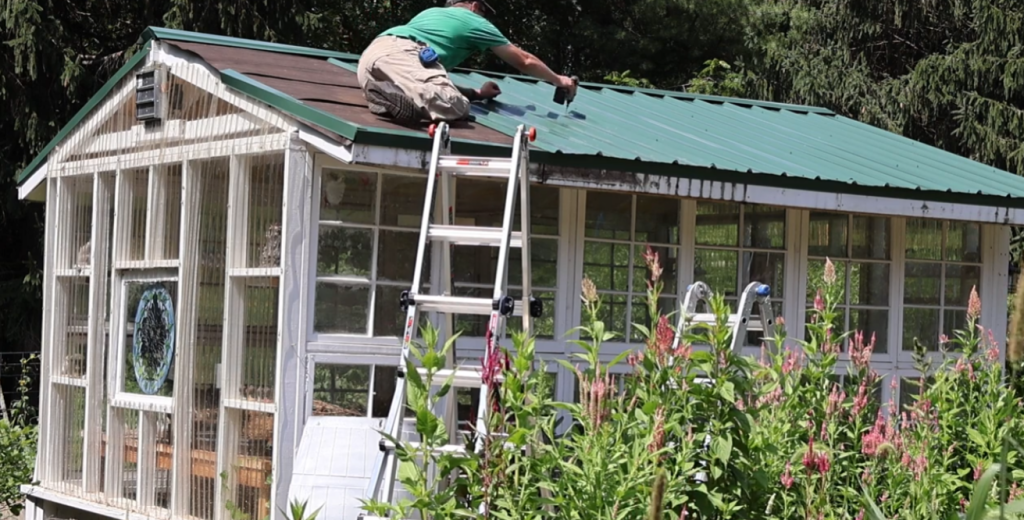
- Vents: For roof and side vents, the netting is typically installed in a metal profile system (often aluminum) with a locking mechanism (like a PVC or wire insert). The net is laid into the channel of the profile, and the locking insert is then pressed in, holding the net firmly in place. It is absolutely vital to ensure there are no gaps or loose sections, especially in the corners. The tension should be taut, but not so tight that it stretches the mesh, which could distort the pore size.
- Doorways: Greenhouses often require a “double-door” system, creating a small vestibule or antechamber. The outer door leads into a small, net-enclosed space, and a second inner door leads into the main growing area. This system prevents pests from flying directly into the greenhouse when a person enters or exits. The netting in this antechamber must be meticulously sealed at all edges.
- Full Enclosures (Net Houses): In some climates, crops are grown under a structure completely clad in netting instead of plastic or glass. In these “net houses,” the netting is stretched over a framework of poles and cables. Proper tensioning is paramount. The net must be tight enough to prevent flapping and abrasion against the structure in the wind, but again, not so tight as to cause damage. Specialized hardware like tensioning cables and “aglet” clips are used to achieve a secure and even fit.
Creating a Secure Seal: The Devil is in the Details
Insects are masters of finding the smallest of openings. A successful netting installation is one that is hermetically sealed against the target pest. This requires an almost fanatical attention to detail.

- Overlaps and Seams: Where two pieces of netting must join, they should be overlapped by a generous margin (at least 30 cm or one foot) and securely fastened. In professional installations, these seams may be sewn or heat-welded.
- Ground Contact: If the netting extends to the ground, it must be buried several inches deep in the soil or securely fastened to a baseboard. This prevents pests from crawling underneath.
- Penetrations: Any pipes, electrical conduits, or structural supports that pass through the netting are potential entry points. These junctions must be sealed with high-quality, UV-resistant sealant, foam, or a tightly fitted collar.
- Repairs: Small rips and tears are inevitable. They must be repaired immediately. A small hole can be patched with a piece of the same netting, either sewn on or attached with a specialized UV-resistant tape or zip ties. Leaving a small tear is an open invitation to pests.
A Schedule for Cleaning and Inspection
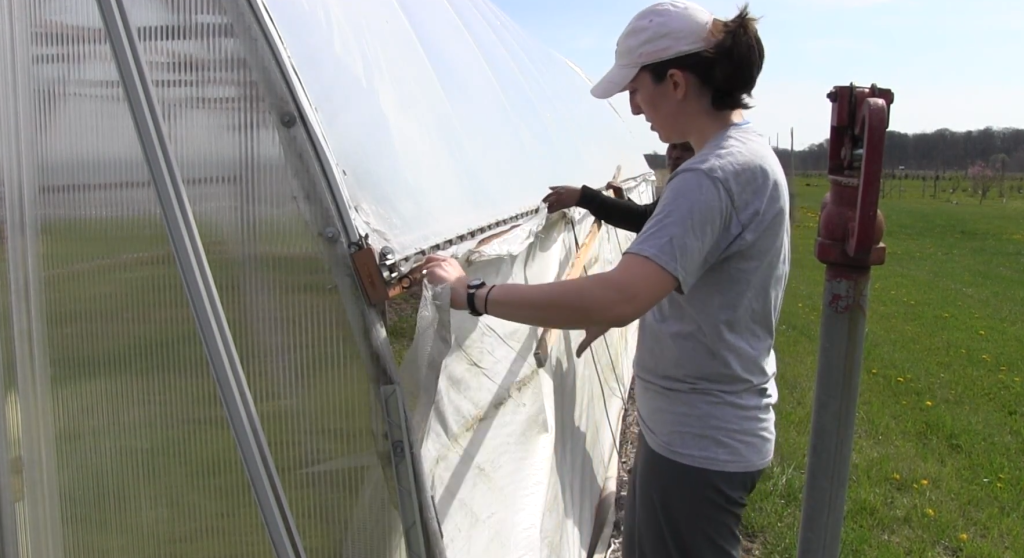
Netting is a filter, and like any filter, it can become clogged. Dust, pollen, and other airborne debris will accumulate on the mesh over time. This blockage reduces airflow and light transmission, negating some of the net’s benefits.
A regular cleaning schedule is therefore necessary. The frequency depends on the local environment; a dusty, dry location will require more frequent cleaning than a humid, lush one. Cleaning can often be done with a low-pressure air blower or a soft brush. If washing is necessary, use a gentle stream of water and a mild, non-abrasive detergent, followed by a thorough rinse. Harsh chemicals and high-pressure jets can damage the HDPE fibers and their UV-protective coating.
Alongside cleaning, a routine inspection should be performed. Walk the perimeter of the netted areas, looking closely for any tears, separated seams, or gaps in the seal, paying special attention to corners and penetrations. Early detection and repair are far easier and more effective than dealing with the pest outbreak that will eventually result from a breach.
Proper Storage and Handling During Off-Seasons
For growers who use netting seasonally (e.g., shade nets used only in summer), proper storage is crucial to ensuring a long service life. Before storage, the net must be completely clean and dry. Any lingering moisture can promote the growth of algae or mildew, and dirt particles can be abrasive.

The netting should be carefully folded or rolled, not crumpled into a pile. Store it in a cool, dark, and dry place, away from direct sunlight. A labeled, rodent-proof bag or container is ideal. Keeping the netting away from sunlight during storage halts the UV degradation process, effectively “pausing the clock” on its lifespan. Avoid storing it near chemicals, fertilizers, or sharp objects that could cause damage. Proper off-season care can easily add several years to the functional life of a quality net.
Greenhouse Netting’s Place in Integrated Pest Management (IPM)
Integrated Pest Management, or IPM, is a philosophy of crop protection that has moved to the forefront of modern agriculture. It represents a shift away from a reliance on scheduled chemical sprays and toward a more intelligent, multi-faceted approach. IPM is an ecosystem-based strategy that focuses on long-term prevention of pests through a combination of techniques. Within this sophisticated framework, greenhouse netting does not just have a place; it serves as a foundational pillar upon which the entire structure of a successful IPM program is built (Cavanagh, 2022).
Physical Exclusion as a Cornerstone of IPM

An IPM program can be conceptualized as a series of defensive layers. The first and most robust of these layers is cultural and physical control. This involves creating an environment that is fundamentally inhospitable to pests. This is precisely the role of greenhouse netting. It is the ultimate preventative measure.
By installing a properly selected and sealed insect net, you are practicing what IPM specialists call “pest exclusion.” You are stopping the problem before it can begin. This proactive stance is the philosophical opposite of a reactive, pesticide-based approach, which waits for a pest population to establish itself and reach a damaging threshold before taking action. As many IPM guidelines emphasize, preventing pest entry is the most effective and economical way to manage them in a greenhouse system (ipmguidelines.org). Every insect that is physically barred from entering the greenhouse is an insect that does not need to be controlled with chemicals, biological agents, or any other means. This reduces the pressure on all subsequent layers of the IPM program.
Reducing Reliance on Chemical Pesticides
The overuse of chemical pesticides has well-documented downsides. These can include the development of pesticide-resistant pest populations, the destruction of beneficial insect populations (including pollinators and natural predators), potential risks to worker health, and consumer concerns about chemical residues on produce.
Greenhouse netting directly addresses these issues by drastically reducing the need for pesticide applications. When the primary vector of infestation—insects flying in from outside—is removed, pest pressure inside the greenhouse plummets. This does not mean that pesticides can be eliminated entirely. There will always be a risk of pests “hitchhiking” in on plant material or personnel. However, the frequency and volume of applications can be cut dramatically. Instead of calendar-based blanket sprays, pesticide use can be limited to targeted spot treatments for small, localized outbreaks. This reduction in chemical use leads to significant cost savings, enhances worker safety, and makes the final product more appealing to a health-conscious market. It is a key strategy for sustainable operations, especially in organic greenhouse production (Greer et al., 2025).
Synergies with Biological Control Agents
One of the most elegant and powerful techniques within IPM is the use of biological control agents, or “beneficials.” This involves releasing predatory or parasitic insects (like ladybugs, lacewings, or parasitic wasps) into the greenhouse to actively hunt and destroy pest insects. It is a way of creating a balanced, self-regulating ecosystem within the growing environment.
The success of a biological control program is utterly dependent on a secure environment. Releasing a batch of expensive predatory mites is pointless if they can simply fly out of an open vent. Likewise, their effectiveness will be limited if they are constantly battling a new wave of pests arriving from outside.
This is where the synergy with greenhouse netting becomes clear. The netting serves two critical functions for biological control:
- It keeps the beneficials in. The net creates a closed system, ensuring that your investment in predatory insects stays within the greenhouse where it can be effective.
- It keeps the overwhelming majority of new pests out. This allows the population of beneficials to establish itself and effectively manage any small pest populations that may exist inside. The netting prevents the biological control program from being overwhelmed.
By combining the physical barrier of the net with the active hunting of beneficial insects, a grower can create a remarkably stable and resilient pest management system that is both sustainable and highly effective. The net and the beneficials work as a team, each making the other’s job easier and more efficient.
Making an Informed Investment: Calculating ROI and Choosing a Supplier
The final step in this comprehensive examination of greenhouse netting is to move from the technical to the commercial. A grower must translate this knowledge into a smart purchasing decision. This involves looking beyond the sticker price, understanding the concept of long-term value, and knowing how to evaluate a supplier.
Choosing the right netting is an investment in your farm’s infrastructure, and like any major investment, it requires careful calculation and due diligence. A partnership with a manufacturer that can provide reliable custom netting solutions is often the most prudent path.
Assessing the Total Cost of Ownership (TCO) vs. Upfront Price
It is a common mistake to select a netting product based solely on the lowest cost per square meter. This approach is often a false economy. The true cost of a net is its Total Cost of Ownership (TCO) over its entire lifespan. TCO includes several factors:
- Initial Purchase Price: The upfront cost of the material.
- Installation Costs: Labor and hardware required to install the net.
- Maintenance Costs: The time and resources spent on cleaning and repairs.
- Replacement Frequency: How often the net needs to be replaced. A cheap, non-UV-stabilized net might last only one or two seasons, while a high-quality net might last seven to ten years.
- Indirect Costs/Benefits: The money saved on pesticides, the value of reduced crop loss, and the increased revenue from higher-quality produce.
When you analyze it this way, a seemingly expensive net with a 10-year UV warranty can be far cheaper in the long run than a low-cost alternative that needs to be replaced every other year. The labor costs of repeated replacement alone can quickly eclipse the initial savings. A thoughtful TCO calculation reveals that quality is not an expense; it is a mechanism for saving money over time.
The Value of Customization: Why One-Size-Fits-All Fails
Greenhouses are not standard products. They come in a vast range of shapes, sizes, and designs, from large-scale Dutch Venlo structures to smaller high tunnels. The idea that a standard, pre-cut roll of netting can efficiently and effectively cover every possible configuration is flawed.
This is where a partnership with a manufacturer specializing in customization becomes invaluable. A specialized supplier can produce netting to your exact dimensions. This offers several key advantages:
- Reduced Waste: You order and pay for only the material you need, eliminating costly off-cuts.
- Faster, Easier Installation: Working with correctly sized panels is far simpler and quicker than cutting and seaming multiple smaller pieces on-site. This reduces labor costs.
- Fewer Seams: A custom-made panel can cover a large area, like an entire roof section, with a single piece of netting. Fewer seams mean fewer potential points of failure and fewer opportunities for pests to find a way in.
- Specialized Features: A custom manufacturer can incorporate features like reinforced edges (selvages), pre-installed eyelets, or pockets for support cables, further simplifying installation and increasing durability.
The ability to specify the exact material, mesh size, color, UV treatment, and dimensions ensures that you get a product perfectly tailored to your crop, your climate, and your structure.
Evaluating Supplier Reliability and Quality Control
The netting you purchase is only as good as the company that made it. When evaluating a potential supplier, you are assessing their commitment to quality.
Here are some questions to consider:
- Material Sourcing: Do they use 100% virgin HDPE resin? Can they provide documentation to prove it?
- UV Stabilization: What kind of UV stabilization package do they use? What is the warranty, and what does it cover? A reputable supplier will offer a Pro-Rata warranty for a specific number of years.
- Manufacturing Standards: What quality control checks are in place during the manufacturing process? Do they test for thread strength, mesh consistency, and UV resistance? Ask for technical data sheets.
- Experience and Reputation: How long has the company been producing agricultural netting? Can they provide case studies or references from growers in your region or with similar crops?
- Support and Expertise: Does the supplier have knowledgeable staff who can discuss your specific needs and help you choose the right product? Or are they simply a reseller with limited technical expertise?
Looking Ahead: Innovations in Smart Netting Technology
The field of agricultural technology is constantly evolving, and netting is no exception. While the core principles remain the same, new innovations are on the horizon. Researchers are exploring “smart nets” embedded with tiny sensors that could monitor temperature, humidity, or even the presence of specific chemical volatiles released by pests. There is ongoing work in developing nets that can more precisely manipulate the light spectrum to trigger specific growth phases in plants. New polymers and coatings are being tested to create nets with even greater longevity, self-cleaning properties, or enhanced pest-repellent capabilities.
While these technologies are still emerging, it is important to choose a supplier who is engaged with the research and development community. A forward-thinking manufacturer is more likely to be producing state-of-the-art products today and will be a valuable partner as you adapt your growing operation to the technologies of tomorrow. This forward-looking perspective is a key component of any robust Greenhouse Netting 101: A Comprehensive Guide for Commercial Growers.
Frequently Asked Questions (FAQ)
1. How often should I replace my greenhouse netting?
The lifespan of greenhouse netting depends almost entirely on its quality, specifically the material and the UV stabilization package. A low-cost, unprotected net might only last 1-2 years in a high-sun environment. A high-quality, UV-stabilized HDPE net from a reputable manufacturer can last from 5 to 10 years, or even longer with proper care, installation, and off-season storage. You should replace the netting when it becomes brittle, shows widespread discoloration, or develops frequent tears, as these are signs that the UV protection has degraded and the material has lost its structural integrity.
2. Can netting completely eliminate the need for pesticides?
Netting can drastically reduce the need for pesticides, but it rarely eliminates it entirely. It forms the primary physical barrier in an Integrated Pest Management (IPM) program, preventing the vast majority of flying insects from entering. However, pests can still be introduced on new plants, soil, equipment, or clothing. Netting reduces pest pressure to a manageable level, allowing growers to switch from preventative, calendar-based spraying to highly targeted spot treatments or biological controls.
3. Does black or white shade netting make a difference?
Yes, the color of shade netting has a significant impact on the microclimate. Black netting absorbs a portion of the solar spectrum, reducing both light and heat. It is an effective, neutral shade. White netting reflects a larger portion of the solar spectrum. It reduces light levels but contributes much less to heat buildup under the net. For this reason, white shade netting is often preferred in very hot climates where the goal is to reduce light stress without significantly increasing the ambient temperature inside the greenhouse.
4. What is the best way to clean greenhouse netting?
Regular cleaning is vital for maintaining airflow and light transmission. For light dust and debris, a leaf blower or a soft brush is often sufficient. For more significant buildup, use a low-pressure water spray and, if needed, a mild, non-abrasive detergent. Always rinse thoroughly to remove any soap residue. Avoid using high-pressure washers, as they can damage the delicate fibers and the UV-protective coating of the net. Ensure the net is completely dry before folding for storage.
5. How does netting affect pollination?
This is a critical consideration. If you are growing a crop that requires pollination by insects like bees, you must have a plan. High-density insect netting will exclude pollinators just as effectively as it excludes pests. Growers have two main options: 1) Use managed pollinators, such as commercially available hives of bumblebees, placed inside the netted greenhouse. 2) For structures with retractable netting, the nets can be temporarily opened during periods of low pest pressure and high flower activity to allow access for native pollinators.
6. Will high-density insect netting overheat my greenhouse?
It can, if not accounted for. A high-density net (e.g., 50 mesh) significantly reduces natural airflow. This is known as the “screening factor.” In a passively ventilated greenhouse, this can lead to a substantial increase in temperature and humidity.
To counteract this, growers using high-density nets must ensure they have adequate mechanical ventilation, such as properly sized and positioned exhaust fans, to maintain the required air exchange rate. The decision to use a dense net must be paired with a review of the greenhouse’s climate control capacity.
The journey through the world of greenhouse netting reveals a subject of surprising depth and consequence. What begins as a simple mesh barrier unfolds into a sophisticated tool for climate control, a cornerstone of sustainable pest management, and a critical investment in the financial health of a commercial growing operation. We have seen that the choice of material, the specifics of its UV treatment, and the method of its construction are the scientific underpinnings of its durability. The geometry of the mesh itself presents a fundamental trade-off between pest exclusion and airflow, a decision that must be tailored to the specific pests and climate of each unique location.

Furthermore, the evolution of specialized nets—from shade cloths that manage heat to photoselective films that steer plant development—demonstrates a move toward ever-finer control over the growing environment. Yet, all this technology is only as effective as its implementation. Meticulous installation and a disciplined regimen of maintenance are what transform a quality product into a long-lasting asset.
By integrating netting into a holistic IPM strategy, growers can reduce their reliance on chemical inputs, creating a more resilient and ecologically sound system. The thoughtful deliberation required for this process, from calculating the true total cost of ownership to selecting a knowledgeable and reliable supplier, is not an academic exercise. It is the practical work of building a more profitable, sustainable, and successful agricultural enterprise. The netting on your greenhouse is not just a cover; it is a statement of intent, a reflection of a strategic and informed approach to modern cultivation.

Read our most popular articles.
👉 Download our free product categories
👉 The Ultimate Guide to Installing Anti-Insect Nets in Greenhouses
👉 Pest-Proofing Your Orchard: An Integrated Netting Approach for 2026
👉 Practical Buyer’s Guide: HDPE vs. Nylon: A Material Showdown for Garden Netting
👉 The Ultimate Guide To Choosing Garden Netting: Pest, Material, and Crop Considerations
👉 How to Start a Private Label Netting Business: A 5-Step Framework for Work
👉 The Chinese Manufacturing vs. Local Suppliers: A Netting Buyer’s Guide