
Investing in high-quality agricultural netting represents a significant capital decision for modern farming operations, one whose economic ramifications extend far beyond simple crop protection. This analysis examines the multifaceted financial returns generated by deploying durable, well-designed netting systems. The primary economic benefit stems from a direct increase in marketable yield, achieved by creating a physical barrier against a spectrum of threats, including avian and insect pests, as well as damaging weather phenomena like hail and excessive solar radiation.

Concurrently, such systems facilitate a reduction in operational expenditures by diminishing the necessity for chemical pesticides and, in the case of shade netting, conserving water resources. These combined effects not only enhance per-hectare profitability but also improve the quality and aesthetic appeal of the produce, granting access to premium markets with stringent phytosanitary standards.

The long-term financial calculus reveals a favorable return on investment, positioning high-quality netting not as a mere operational cost but as a strategic asset for enhancing farm resilience, sustainability, and overall economic viability.
Key Takeaways
- Significantly increase marketable yields by physically blocking pests and harsh weather.
- Lower operational costs by reducing the need for expensive chemical interventions.
- Improve crop quality to access premium markets and command higher prices.
- Realize a strong return through durability and long-term asset value.
- Investing in high-quality netting for farms boosts environmental and brand reputation.
- Conserve water and optimize resource management with specialized shade nets.
Maximizing Yields Through Superior Crop Protection
The foundational economic argument for any agricultural input rests upon its ability to influence yield. The quantity and quality of a harvest are the primary determinants of a farm’s annual revenue. From this perspective, high-quality netting functions as one of the most direct and effective tools for yield maximization. It operates on a simple yet profound principle: physical exclusion.

Unlike chemical applications that aim to eliminate threats after they have arrived, or genetic modifications that build resistance, netting creates an impenetrable fortress around the crop, preserving its potential from the very beginning.

This preemptive defense is what makes its impact on yield so dramatic and reliable. Let’s explore the mechanics of this protection in greater detail, examining how it neutralizes distinct threats that can devastate a harvest.
Mitigating Pest-Related Damage: Birds, Insects, and Mammals
Pest pressure is a constant and formidable challenge in agriculture. The economic losses are staggering. Consider the case of a vineyard. A flock of starlings can descend upon ripe grapes and, within hours, consume or damage a significant percentage of the fruit, rendering it unsuitable for winemaking.

The financial loss is not just the value of the grapes themselves but also the year-long investment in labor, water, and nutrients that went into growing them. Traditional deterrents like scare cannons or reflective tape often suffer from a habituation effect; birds quickly learn they pose no real threat.

High-quality bird netting, correctly installed, offers a near-absolute solution. It physically stops the birds from reaching the fruit. There is no habituation, no partial effectiveness. The yield that was vulnerable is now secure.

Heavy-Duty Bird Netting – 2cm Mesh, 2mm Rope, Long-Lasting Outdoor Protection
Specification
-
Material: High-strength Nylon (Knotless)
-
Mesh Size: 3 × 3 cm
-
Twine Diameter: 3 mm
-
Color: Customizable (Green / Black / White)
Advantages
-
Reliable Load Security: Effectively prevents cargo from slipping or falling when container doors are opened.
-
Fast Installation & Removal: Quick-hook design allows workers to secure or remove the net within seconds, improving handling efficiency.
-
Durable Outdoor Performance: Maintains strength, elasticity, and stability under sun exposure, rain, and temperature changes.
-
Customizable Fit: Can be tailored to different container types, net dimensions, or loading requirements.
-
Cost-Effective Safety Option: Lightweight, reusable, and long-lasting—an efficient solution to enhance container safety with minimal added cost.
The same principle applies to insect pests, though the scale is smaller and the solution more nuanced. The Spotted Wing Drosophila (SWD), for example, is an invasive fruit fly that lays its eggs in ripening soft fruits like cherries, raspberries, and blueberries. The resulting larvae turn the fruit into an unsalable mush.

Widespread insecticide spraying is one response, but it comes with high costs, potential harm to beneficial pollinators, and the risk of pesticide residues on the final product.
Insect exclusion netting, with a mesh size fine enough to block the SWD (typically under 1mm), provides a powerful alternative. It forms a complete enclosure around the crop row or block, preventing the flies from ever reaching the fruit to lay their eggs. Studies have demonstrated that this method can reduce SWD infestation to near-zero levels, directly preserving yield that would otherwise be lost (Rogers et al., 2016).

Beyond birds and insects, larger animals like deer, rabbits, or wild boar can cause catastrophic damage, not just by eating the crop but by trampling plants and damaging infrastructure. While electric fencing is a common solution, specialized, heavy-duty netting can serve a similar purpose, particularly for enclosing smaller, high-value plots. The core economic benefit remains the same: the preservation of yield that would otherwise be converted into a direct financial loss.
Shielding Crops from Adverse Weather Events
Weather is perhaps the single greatest variable a farmer cannot control. A single, ten-minute hailstorm can obliterate a season’s worth of work in an apple orchard or a field of leafy greens. The fruit is bruised and broken, the leaves shredded. The crop becomes unmarketable.
Anti-hail netting is an investment in weather resilience. Stretched over a sturdy support structure, this robust netting is designed to withstand the impact of hailstones, either by deflecting them or by safely catching them and allowing them to melt. The crop underneath remains untouched.
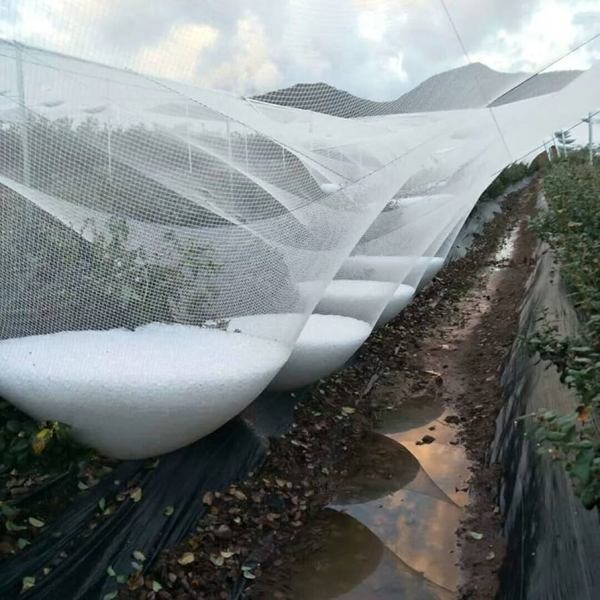
Anti-Tear Storm Safe Orchard HDPE Hail Protection Net
The 4×7mm reinforced mesh structure, crafted from high-tenacity 0.35mm HDPE monofilament, delivers exceptional tear resistance and consistent impact dispersion against hail strikes, ensuring long-term protection for orchards exposed to seasonal storms.
Think of it as an insurance policy that always pays out because the damage is prevented in the first place. The economic benefit is the total value of the harvest that was saved from destruction. In regions prone to hailstorms, such as parts of Italy’s fruit-growing regions or the Okanagan Valley in Canada, hail netting is not seen as a luxury but as a fundamental component of a viable agricultural business. Research has consistently shown that the cost of installing hail nets is recouped over a few seasons through the prevention of crop loss, making the long-term return on investment exceptionally high (Dussi & Huysamer, 2005).

Similarly, shade netting manipulates the microclimate to protect crops from excessive solar radiation and heat stress.
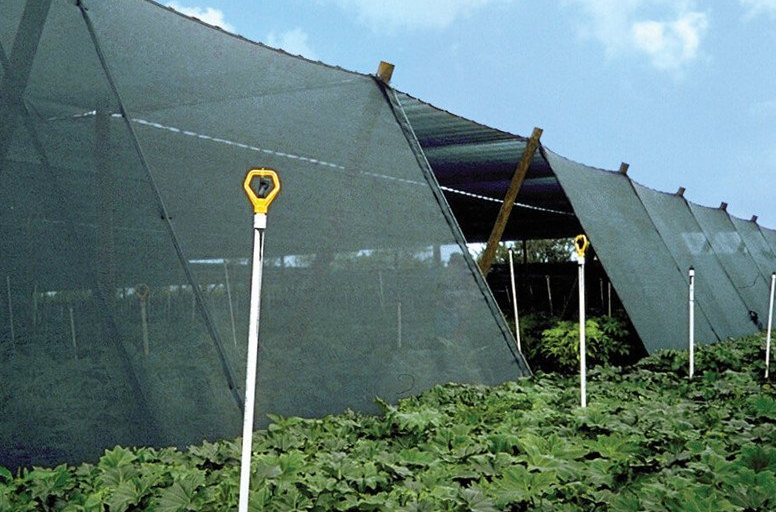
In hot, sunny climates, crops like lettuce can bolt (flower prematurely), and fruits like peppers or tomatoes can suffer from sunscald, a condition that creates bleached, leathery patches on the skin, making them unsalable. Shade netting, which comes in various colors and densities, filters a percentage of the incoming sunlight. This lowers the temperature underneath the net, reduces plant stress, and prevents sun damage. The result is a higher percentage of top-grade produce and, in some cases, an extended growing season.
A Comparative Analysis of Protection Methods
To fully appreciate the economic benefits of investing in high-quality netting for farms, it is useful to situate this technology within the broader landscape of crop protection strategies. Each method carries its own profile of costs, benefits, and externalities. A rational assessment requires a holistic view that extends beyond the initial purchase price.
| Protection Method | Initial Cost | Ongoing Costs | Effectiveness | Environmental Impact | Long-Term ROI |
|---|---|---|---|---|---|
| High-Quality Netting | High | Low (maintenance, repair) | Very High (physical barrier) | Low (inert material, reduces pesticide use) | Very High |
| Low-Quality Netting | Medium | High (frequent replacement) | Medium-Low (tears easily, poor UV resistance) | Medium (frequent disposal of plastic) | Low to Negative |
| Chemical Pesticides | Low-Medium | Very High (repeated application, labor) | Variable (pest resistance, weather washout) | High (runoff, harm to non-target species) | Medium to Low |
| No Active Protection | None | Highest (unmitigated crop loss) | None | N/A | Very Low / Negative |
As the table illustrates, the high initial outlay for a quality netting system can be misleading. When viewed over the system’s lifespan (often 10 years or more), the low ongoing costs and superior effectiveness create a compelling financial case. Chemical strategies, while appearing cheaper upfront, lock the farmer into a cycle of repeated purchases and applications, with variable results and significant environmental liabilities.

The most expensive strategy of all, of course, is doing nothing and absorbing unpredictable, and sometimes total, crop losses. High-quality netting transforms this unpredictability into a manageable and insurable risk.
Enhancing Economic Efficiency by Reducing Input Costs
While maximizing yield directly increases the revenue side of the farm’s ledger, profitability is equally dependent on managing the expense side.
A significant portion of the economic benefits of investing in high-quality netting for farms arises from its ability to systematically reduce key operational input costs. This is not a one-time saving but a recurring annual dividend that accumulates over the entire lifespan of the netting system.
By rethinking crop protection from a preventative, physical model rather than a reactive, chemical one, farmers can unlock substantial efficiencies in their use of resources, labor, and capital. These savings are not incidental; they are a core component of the technology’s value proposition.
Decreasing Reliance on Chemical Pesticides and Herbicides
The cost of chemical crop protection is a major line item in the budget of most conventional farms. This cost is threefold. First, there is the direct expense of purchasing the pesticides, fungicides, and herbicides. Prices for these compounds can fluctuate, but they represent a constant and significant cash outflow. Second, there is the cost of application. This includes fuel for tractors and sprayers, maintenance of the equipment, and the labor hours required to apply the chemicals, often multiple times per season. Third, there are the less obvious, long-term costs associated with chemical dependency, such as the development of pesticide-resistant pests, which necessitates the use of newer, often more expensive chemicals, creating a “pesticide treadmill.”

High-quality exclusion netting breaks this cycle. By physically preventing pests from accessing the crop, it obviates the need for many spray applications. An orchard under insect netting may only require a fraction of the insecticide sprays it needed previously. A vineyard protected by bird netting eliminates the need for chemical repellents. This translates into direct and immediate savings. The money not spent on chemicals and their application drops directly to the bottom line, improving the farm’s net margin.
Furthermore, this reduction in chemical use aligns perfectly with the principles of Integrated Pest Management (IPM), a strategy that prioritizes non-chemical solutions and uses pesticides only as a last resort.

Netting becomes the cornerstone of a modern, intelligent IPM program, enhancing both economic and ecological sustainability.
Lowering Water Consumption with Shade Netting
In many of the world’s most productive agricultural regions, from California’s Central Valley to the agricultural plains of Australia, water is both a scarce and an expensive resource.

Efficient water management is not just good environmental practice; it is a matter of economic survival. Shade netting plays a surprisingly powerful role in water conservation. By reducing the intensity of solar radiation reaching the crops and the soil, it lowers the ambient and leaf-surface temperatures. This, in turn, reduces the rate of evapotranspiration—the process by which water is lost from the soil surface and transpired by the plants.

Think of it as putting a partial lid on a pot of water in the sun; less water evaporates. For a farm, this means that the irrigation water applied is used more efficiently by the plants for growth, with less being lost to the atmosphere. Studies on various crops have quantified these savings, often showing a reduction in water needs by 20-30% or more under colored shade nets, depending on the climate, crop, and net specification (Tanny, 2013).

This reduction in water consumption leads to direct cost savings in two ways: lower bills for water purchased from irrigation districts and reduced energy costs for pumping groundwater. In an era of increasing drought frequency and rising water costs, this benefit alone can provide a robust justification for the investment in a shade netting system.
Optimizing Labor and Equipment Use
Labor is another primary driver of cost on a farm. High-quality netting systems can streamline labor needs and optimize the use of farm personnel. The reactive nature of chemical spraying demands a flexible and responsive labor force, ready to act when weather conditions are right or when pest monitoring indicates a threshold has been crossed.

A preventative netting system reduces this demand. The main labor input occurs during the installation and seasonal removal/redeployment of the nets. During the growing season, the need for labor dedicated to pest control is significantly diminished.
This allows farm managers to allocate their workforce more predictably and efficiently to other value-adding tasks, such as pruning, thinning, or preparing for harvest. Moreover, by protecting the crop so effectively, netting ensures that the labor invested throughout the season is not wasted due to a last-minute pest outbreak or weather event.

Every hour spent cultivating a crop that is ultimately lost is a pure economic drain. Netting safeguards this prior investment of labor. It also reduces the wear and tear on spraying equipment, lowering maintenance costs and extending the machinery’s operational lifespan.
The farm’s operational rhythm becomes less about emergency response and more about systematic, planned cultivation, an inherently more efficient model.
Boosting Market Value and Access
The economic equation of farming is not limited to yield quantity and input costs. The final price a farmer receives for their produce is a critical variable, and this price is profoundly influenced by quality, appearance, and the ability to meet the standards of discerning buyers.

The economic benefits of investing in high-quality netting for farms extend deep into this domain of market dynamics. By serving as a shield, netting does more than just ensure a crop survives to harvest; it ensures the crop arrives in a condition that commands the highest possible value.
This enhancement of marketability can be one of the most powerful, though sometimes overlooked, financial returns from a netting investment. It allows producers to move from being price-takers in a commodity market to price-setters in a premium market.
Improving Crop Quality and Aesthetics
In the competitive marketplace for fresh produce, appearance matters immensely. A consumer choosing between two apples will almost invariably select the one that is perfectly shaped, uniformly colored, and free from blemishes.
This preference cascades down the supply chain. Wholesalers and retailers pay top dollar for “Grade A” or “Fancy” produce, while blemished, scarred, or misshapen items are relegated to lower-priced secondary markets, such as processing for juice or sauce, or are discarded entirely.
High-quality netting directly contributes to a higher percentage of top-grade produce. Bird pecks leave unsightly marks on fruits. Hail creates bruises and breaks the skin, leading to rot. Rubbing against branches in high winds can cause scarring. Excessive sun exposure leads to sunscald on peppers and tomatoes or undesirable color changes in apples.
Netting mitigates all these issues. The fruit developing under the protective canopy of a net is shielded from these sources of cosmetic damage. The result is a harvest with a much higher “pack-out” rate—the percentage of the total yield that qualifies for the premium fresh market. An increase in the pack-out rate from, for example, 70% to 90% can have a more significant impact on total revenue than a simple 10% increase in overall yield, because every additional unit is sold at the highest price point.

High-Strength PE Knotted Anti-Bird Safety Netting for Farms Fruit Trees
The 2cm knotted PE mesh delivers durable, lightweight, and highly effective bird protection for fruit trees and farm crops.
Meeting Stringent Export and Organic Certification Standards
Accessing the most lucrative markets, whether they are high-end domestic retailers or international export markets, often requires meeting exceptionally strict standards for food safety and chemical residues. Many countries and blocs, such as the European Union and Japan, have established Maximum Residue Limits (MRLs) for a wide range of pesticides. If a shipment of produce is tested and found to exceed these limits, it can be rejected, resulting in a catastrophic financial loss for the grower.
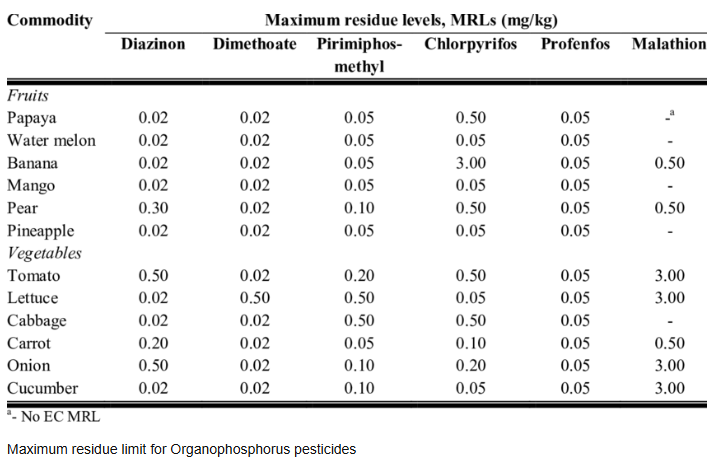
This is where exclusion netting provides a profound strategic advantage. By dramatically reducing or even eliminating the need for chemical pesticide applications, particularly in the crucial weeks leading up to harvest, netting makes it far easier for growers to comply with the strictest MRLs. It offers a pathway to a “low-residue” or “zero-residue” product, which is not only a requirement for certain markets but also a powerful marketing tool in itself.
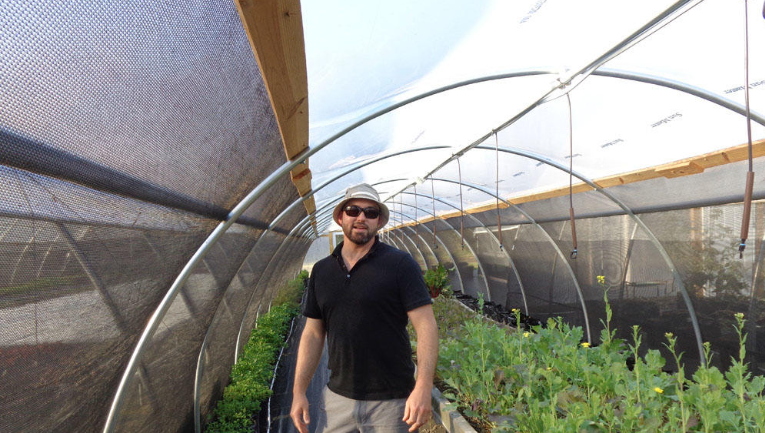
The same logic applies to organic certification. While organic standards prohibit synthetic pesticides, they do not prohibit pests. Organic growers often face immense challenges with pest control, leading to lower yields or higher labor costs for manual pest removal. High-quality netting is a permitted and highly effective tool in the organic farmer’s arsenal. It provides the pest control that chemicals cannot, allowing for the reliable production of certified organic produce that commands a significant price premium in the marketplace. The netting investment, in this context, becomes an enabling technology for a high-margin business model. These durable, tailored netting products are designed to meet the specific needs of various agricultural applications, ensuring compliance and quality.
Extending the Harvest Season and Reducing Post-Harvest Losses
The timing of a harvest can have a major impact on its value. Bringing a crop to market a week or two before the peak of the season, when supply is low and demand is high, can result in substantially better prices. Certain types of netting can help achieve this.
For instance, using specific colored shade nets or creating a slightly warmer microclimate under a net can accelerate ripening, allowing for an earlier harvest.

Conversely, nets can also be used to protect a crop on the vine or tree for longer, allowing a grower to wait for market prices to improve or to better manage harvesting logistics.
Furthermore, the protection offered by netting extends beyond the field. A fruit that has been protected from physical damage and heat stress throughout its development is often a healthier, more robust fruit. It has better cell structure and integrity. This translates into a longer post-harvest shelf life.
A berry that hasn’t been punctured by insects or bruised by hail is less susceptible to mold and decay during shipping and storage. This reduction in post-harvest losses means that more of the product that leaves the farm gate actually reaches the consumer’s table, ensuring the farmer is paid for a higher percentage of what they grew. This improvement in supply chain efficiency is a hidden but substantial economic benefit derived directly from the initial investment in crop protection.
Realizing Long-Term Return on Investment (ROI): A Financial Deep Dive
An investment in a high-quality netting system is a significant capital expenditure, and it must be evaluated as such, using the rigorous tools of financial analysis. While the immediate benefits of yield protection and cost reduction are clear, the true economic power of the investment is revealed when viewed over its entire lifecycle. This requires moving beyond a simple cost-benefit tally for a single season and embracing a long-term perspective on asset value, durability, and financial resilience.
A properly engineered netting system is not a consumable input like fertilizer; it is a piece of farm infrastructure, an asset that pays dividends for a decade or more. Understanding how to calculate its return on investment (ROI) is fundamental for any farm manager considering this strategic upgrade.
Calculating the Payback Period for Netting Investments
The payback period is a straightforward financial metric that answers a simple question: How long will it take for the investment to pay for itself? The calculation is intuitive:
Payback Period (in years) = Total Initial Cost / Net Annual Savings
Let’s break down the components to understand how to apply this to a netting system.
Total Initial Cost: This is more than just the price of the nets themselves. It must include:
- The cost of the netting material.
- The cost of the support structure (poles, cables, anchors).
- The cost of any specialized hardware (clips, connectors).
- The cost of labor for installation (whether using a contractor or in-house staff).
- The cost of any necessary site preparation or equipment rental.
Net Annual Savings (or Gains): This is the sum of all the economic benefits the system generates in a single year. It should include:
- Value of Saved Yield: The market value of the crop that would have been lost to pests or weather without the netting. This can be estimated based on historical loss data for the farm or regional averages.
- Savings on Inputs: The total amount saved by not having to purchase and apply chemical pesticides, fungicides, etc.
- Water and Energy Savings: The value of reduced water consumption and pumping costs (primarily with shade netting).
- Value of Quality Improvement: The additional revenue generated from a higher pack-out rate of premium-grade produce. This is calculated as (Price of Premium Grade – Price of Processing Grade) x (Additional Volume of Premium Grade).
Example Calculation: Imagine a 10-hectare apple orchard in a hail-prone region.
- Total Initial Cost: $25,000 per hectare x 10 hectares = $250,000.
- Net Annual Savings:
- Saved Yield: Assume a 20% loss to hail occurs once every 4 years, on average. With a full crop value of $30,000/ha, the annualized loss is ($30,000 x 0.20) / 4 = $1,500/ha. For 10 hectares, this is $15,000.
- Pesticide Savings: Reduced spraying saves $400/ha annually. For 10 hectares, this is $4,000.
- Quality Improvement: Increased pack-out of premium apples generates an extra $600/ha. For 10 hectares, this is $6,000.
- Total Annual Savings: $15,000 + $4,000 + $6,000 = $25,000.
- Payback Period: $250,000 / $25,000 per year = 10 years.
While 10 years may seem long, a high-quality system can last 15 years or more. All the savings generated after year 10 are pure profit. If a severe hail event occurs in year 2, the payback becomes much faster. This calculation demonstrates how to quantify the decision in concrete financial terms.
The Durability Factor: High-Quality vs. Low-Cost Netting
The temptation to reduce the high initial cost by opting for cheaper, lower-quality netting is a common but often financially disastrous mistake. The longevity and reliability of the system are paramount to achieving a positive ROI. High-quality agricultural netting is a feat of material science. It is typically made from high-density polyethylene (HDPE) monofilament, which is inherently strong and resistant to abrasion. Crucially, it is infused with advanced UV stabilizers during the manufacturing process. Without these stabilizers, the polymer chains in the plastic would be rapidly broken down by sunlight, making the net brittle and weak within just one or two seasons.
A cheap net might look similar out of the box, but its lack of proper UV protection means it will degrade quickly, tear easily in the wind, and fail during the very weather event it was meant to protect against. This leads to a cycle of costly replacement and repair, erasing any initial savings. The table below presents a lifecycle cost analysis.
| Feature | High-Quality Netting System | Low-Cost Netting System |
|---|---|---|
| Material | UV-stabilized HDPE monofilament | Non-stabilized or poorly stabilized PE/PP |
| Expected Lifespan | 10-15+ years | 1-3 years |
| Initial Cost (Hypothetical) | $100,000 | $50,000 |
| Replacement Costs over 12 years | $0 | $50,000 x 3 replacements = $150,000 |
| Annual Repair/Labor Costs | Low | High |
| Risk of Mid-Season Failure | Very Low | High |
| Total Cost over 12 Years | ~$100,000 + maintenance | ~$200,000 + higher maintenance |
This analysis clearly shows that the “cheaper” option is, in fact, far more expensive over the long term. Investing in proven, custom agricultural netting solutions from a reputable manufacturer ensures the asset will perform as expected for its entire design life, which is the foundation of a sound ROI calculation.
Asset Value and Farm Resilience
A permanent netting structure is a capital improvement to the farm. Just like a new barn or an upgraded irrigation system, it increases the underlying value of the property. Should the farm ever be sold or used as collateral for a loan, the presence of a modern, well-maintained crop protection system is a significant asset that enhances its valuation.
Beyond the balance sheet, the system builds operational resilience. Farming is an inherently risky enterprise, subject to the whims of weather, pests, and markets. High-quality netting removes several of the largest sources of risk.

It transforms the uncertainty of a potential hailstorm or pest invasion from a catastrophic threat into a manageable, near-zero risk.
This stability allows for more accurate financial planning, easier access to credit from lenders (who view the operation as less risky), and greater peace of mind for the farm owner. In an age of increasing climate volatility, this resilience is not just a financial benefit; it is a core component of a long-term survival strategy for the business.
Fostering Sustainability and Environmental Stewardship
In the 21st century, the definition of a successful farm is expanding. It is no longer enough to be merely profitable; there is a growing expectation from consumers, regulators, and the agricultural community itself that farming practices should also be environmentally sustainable.
The choices made in the field have consequences that ripple out into the local ecosystem and the broader community. The economic benefits of investing in high-quality netting for farms are compellingly intertwined with profound ecological advantages.

This synergy creates a virtuous cycle where doing what is right for the environment is also what is best for the farm’s bottom line and long-term reputation. Adopting netting is a powerful statement of commitment to a more responsible and forward-thinking model of agriculture.
Promoting Biodiversity and Protecting Non-Target Species
The widespread use of broad-spectrum chemical pesticides is one of the most significant environmental concerns associated with modern agriculture. These chemicals are often indiscriminate, killing not only the target pest but also a wide array of other organisms. This includes beneficial insects like honeybees, bumblebees, and other native pollinators, which are vital for the pollination of many crops.

It also includes predatory insects, such as ladybugs and lacewings, which are natural enemies of pests and provide a free pest control service. When these beneficial populations are diminished, the farm ecosystem is weakened, often leading to secondary pest outbreaks and an even greater reliance on chemicals.

High-quality exclusion netting offers a fundamentally different approach. As a physical barrier, its action is highly specific. It excludes the target pest—be it a fruit fly, a moth, or a bird—while leaving the surrounding ecosystem unharmed.
Pollinators can be managed by temporarily opening the nets during the bloom period or by introducing managed hives of bees within the netted enclosure. Because pesticide spraying is drastically reduced or eliminated, the populations of beneficial insects, soil microorganisms, and local birdlife can recover and thrive. This restoration of on-farm biodiversity makes the entire agricultural system more robust and resilient. It is a shift from a mode of chemical warfare to a mode of ecological harmony, a change that has tangible, positive effects on the health of the land.
Contributing to Soil and Water Health
The environmental impact of pesticides does not end with non-target organisms. When chemicals are sprayed, a portion inevitably drifts onto the soil or is washed off the plants by rain. These residues can be toxic to essential soil life, such as earthworms and fungi, which are crucial for maintaining soil structure, fertility, and nutrient cycling. Over time, this can lead to soil degradation, compaction, and a loss of productivity.

Furthermore, chemical runoff is a primary source of non-point source water pollution. Pesticides and excess fertilizers can leach into groundwater or be carried by surface runoff into streams, rivers, and lakes. This can contaminate drinking water sources and cause severe damage to aquatic ecosystems, leading to fish kills and algal blooms.

The cleanup of such pollution is extraordinarily expensive and often falls upon the public, representing a significant externalized cost of certain farming practices. By creating a system where chemical use is minimized, netting directly addresses this problem at its source.
It helps to keep waterways clean and preserves the long-term fertility and health of the farm’s most precious asset: its soil. This is not just an environmental benefit; it is a long-term economic investment in the land’s productive capacity.

Enhancing Brand Reputation and Consumer Trust
Today’s consumers are more informed and conscientious than ever before. They want to know where their food comes from and how it was grown. There is a clear and growing market preference for produce that is grown sustainably, with minimal chemical inputs. A farm that can tell a credible story about its environmental stewardship has a powerful competitive advantage.
Investing in a visible, large-scale netting system is a tangible and easily communicable demonstration of this commitment. It is a clear signal to the market that the farm is prioritizing non-chemical methods of pest control.

This can be leveraged into a potent branding tool. The “Grown Under Protective Netting” story can be featured on packaging, on the farm’s website, and at farmers’ markets. It builds a foundation of trust with the consumer, who may be willing to pay a premium for produce they perceive as safer, healthier, and better for the environment. This brand equity can translate into greater customer loyalty and insulate the farm from price competition with conventional producers. In this way, the netting investment pays a final dividend in the form of enhanced social license and market reputation, solidifying the farm’s place as a leader in sustainable agriculture.

Frequently Asked Questions (FAQ)
What is the typical lifespan of high-quality farm netting?
High-quality agricultural netting, typically made from UV-stabilized high-density polyethylene (HDPE), is designed for longevity. Depending on the specific product, climate conditions, and proper handling, you can expect a lifespan of 10 to 15 years, and sometimes even longer. The key is the quality of the UV stabilization package infused into the material, which prevents degradation from sunlight.
Is netting difficult to install and maintain?
The initial installation of the support structure (poles and cables) is a significant undertaking that may require professional assistance. However, once the structure is in place, the seasonal deployment and removal of the nets themselves can often be handled by the farm’s own labor force with proper equipment. Maintenance is generally low, involving periodic checks for tension and repairing any small tears that may occur.

Can netting protect against all types of pests and weather?
Netting is highly effective but has its specific applications. Bird netting is excellent for birds, insect netting is designed for specific insect sizes, and hail netting is built for impact resistance. It provides near-total protection against the physical threats it is designed for. It does not, however, protect against microbial diseases like fungi or bacteria, although by reducing insect vectors and improving air circulation, it can sometimes indirectly lower disease pressure.

How do I choose the right mesh size for my crops?
The choice of mesh size is critical and depends entirely on the target pest. For excluding birds, a larger mesh (e.g., 15-25mm) is sufficient. For small insects like the Spotted Wing Drosophila, a very fine mesh (less than 1mm) is required. It’s a trade-off: a finer mesh offers more protection but also reduces airflow and light transmission more. Consulting with a netting expert or local agricultural extension service is recommended to select the optimal mesh for your specific crop and pest challenges.
Isn’t the upfront cost of netting prohibitive for a small farm?
The initial capital outlay can be substantial. However, many smaller farms approach it strategically. They may start by netting only their highest-value crops or a small portion of their acreage to test the system and its ROI. As the benefits are realized, they can reinvest the profits into expanding the netted area over several years. Additionally, in some regions, government grants or subsidies may be available to help offset the cost of adopting more sustainable agricultural practices like netting.
Does netting affect pollination?
Yes, exclusion netting will prevent pollinators like bees from accessing the flowers. This must be managed. For crops that require cross-pollination, growers have two main options: they can temporarily retract or open the nets during the flowering period, or for complete enclosures, they can introduce managed hives of bumblebees or honeybees inside the netted area to perform the pollination service.
How does shade netting work?
Shade netting works by physically blocking a certain percentage of incoming solar radiation. It is available in different “shade factors” (e.g., 30%, 50%, 70%) and colors. By reducing the intensity of light and heat, it lowers the temperature of the plant and the surrounding air, reduces water loss through evapotranspiration, and prevents physical damage like sunscald. Different colors can also filter the light spectrum to encourage specific plant responses, such as vegetative growth or flowering.

The decision to integrate high-quality netting into a farming operation transcends a simple protective measure; it represents a fundamental strategic shift toward a more resilient, efficient, and profitable agricultural model.
The analysis demonstrates that the economic benefits are not singular but form a complex, interconnected web of advantages. It begins with the most direct return: the preservation and maximization of marketable yield by creating an impassable barrier to pests and destructive weather. This protection then generates a cascade of secondary financial gains, including significant reductions in recurring expenditures on chemical inputs and water, thereby improving the farm’s operational margin.

Beyond these tangible calculations of yield and cost, the investment elevates the very nature of the product itself. By ensuring a higher-quality, blemish-free harvest, netting unlocks access to premium domestic and international markets, allowing producers to capture greater value for their labor. The long-term financial view confirms that the durability of a well-made system delivers a robust return on investment, transforming the initial expense into a valuable, long-lasting farm asset.

Finally, this investment aligns the farm’s economic objectives with the growing imperative for environmental stewardship, building brand reputation and consumer trust. In essence, high-quality netting is not a cost center but a profit center—an enabling technology that empowers farmers to grow more and better produce, with fewer resources, at lower risk.

Read our most popular articles.
👉 Download our free product categories
👉 The Ultimate Guide to Installing Anti-Insect Nets in Greenhouses
👉 The Ultimate Guide to Choosing the Right Cargo Netting for Your Fleet
👉 HDPE vs Nylon Sports Netting: The Ultimate Guide
👉 A 5-Step Expert Guide: “Made to Order”: A Look at Our Custom Netting Process
👉 How to Start a Private Label Netting Business: A 5-Step Framework for Work
👉 The Chinese Manufacturing vs. Local Suppliers: A Netting Buyer’s Guide