
The cultivation of wine grapes represents a significant agricultural and economic endeavor, one that is perpetually vulnerable to environmental pressures. This guide examines the critical role of protective netting in modern viticulture as a primary tool for mitigating crop loss. It presents a systematic analysis of the three principal threats to grape yield and quality: avian predation, hail damage, and excessive solar radiation.

The document evaluates the material science, structural design, and typology of various netting solutions, including bird, hail, and shade nets, providing a framework for selection based on specific vineyard conditions and objectives. An exploration of installation methodologies, from simple drape-over applications to complex permanent structures, is offered. Furthermore, the economic implications of implementing netting systems are scrutinized through a return on investment analysis, considering initial costs against the long-term benefits of secured yields and enhanced fruit quality. The subtle yet significant impacts of netting on the vineyard microclimate and vine physiology are also discussed, positioning netting not merely as a defensive measure but as an integrated viticultural management tool.
This comprehensive overview serves as a foundational resource for growers seeking to safeguard their harvest and ensure the economic viability of their operations.
Key Takeaways
- Assess your primary threat—birds, hail, or sun—to select the appropriate net type.
- Match the netting’s mesh size and color to your specific protection and microclimate goals.
- Proper installation, including correct tensioning and anchoring, is vital for effectiveness and longevity.
- Consider the long-term return on investment, not just the initial cost of netting systems.
- Regular inspection and proper off-season storage will significantly extend the life of your netting.
- This vineyard’s complete guide to netting for birds, hail, and sun helps secure your harvest quality.
- Understand that netting can subtly alter the microclimate, affecting grape development.
The Unseen Guardians: Understanding the Necessity of Vineyard Netting

The act of cultivating a vineyard is an exercise in optimism, a partnership with nature that is both rewarding and fraught with uncertainty. A grower invests years of labor, capital, and emotional energy into the soil, tending the vines through their lifecycle in anticipation of a single, culminating event: the harvest. Yet, between the promise of flowering and the reality of the press, a host of environmental variables can intervene with devastating consequences. The decision to employ protective netting is, therefore, not a trivial one. It represents a fundamental choice about how one relates to agricultural risk, moving from a position of passive hope to one of active stewardship. It is an acknowledgment that while we cannot control nature, we can mediate its harshest impacts, ensuring that the season’s labor is not lost in a matter of moments.
The Economic Imperative: Quantifying Crop Loss
To speak of crop loss in abstract terms fails to capture the profound financial and emotional toll it exacts upon a grower. The loss is not merely a percentage of potential yield; it is a direct subtraction from the year’s revenue, a nullification of months of careful work. Imagine a ten-hectare vineyard of premium Cabernet Sauvignon. A conservative estimate of damage from a flock of starlings or a brief, intense hailstorm could easily reach 30% of the crop.

In regions where grapes fetch thousands of dollars per ton, this translates into a loss of tens, or even hundreds, of thousands of dollars. The economic calculation becomes starkly clear.
This direct loss, however, is only the beginning of the story. Damaged fruit, if it is even harvestable, is of inferior quality. Punctured or pecked berries become entry points for rot and fungal diseases like Botrytis cinerea, which can then spread to otherwise healthy bunches. This secondary infection compromises the flavor profile of the resulting wine, introducing undesirable earthy or moldy notes. Wineries may reject such fruit outright or purchase it at a drastically reduced price. The grower is thus faced with a double penalty: a smaller quantity of a less valuable product. The financial models that underpin a vineyard’s operation are predicated on a certain level of yield and quality.

When these are compromised, the entire economic structure is threatened. The cost of labor, fuel, water, and treatments remains fixed, but the revenue against which these costs are set plummets. For smaller, family-owned vineyards, a single bad year can be an existential threat. Netting, in this context, functions as a form of insurance.

It is a capital expenditure that stabilizes the most volatile variable in the viticultural equation: the quantity and quality of the harvested fruit.
Beyond Birds: A Multi-Faceted Defense Against Nature’s Volatility
While birds are often the most visible and persistent threat, they are but one actor in a larger drama of environmental risk.
A comprehensive understanding of vineyard protection requires a multi-faceted perspective that acknowledges the interconnected threats posed by weather and climate. Hail is perhaps the most dramatic and destructive of these.

A hailstorm can obliterate a crop in minutes, not just damaging the fruit but also shredding the vine’s canopy. This loss of leaf area cripples the plant’s ability to photosynthesize, impacting not only the current season’s grape ripening but also the vine’s capacity to store carbohydrates for the following winter and spring. The damage from a single hailstorm can thus echo into the next growing season, reducing future yields.
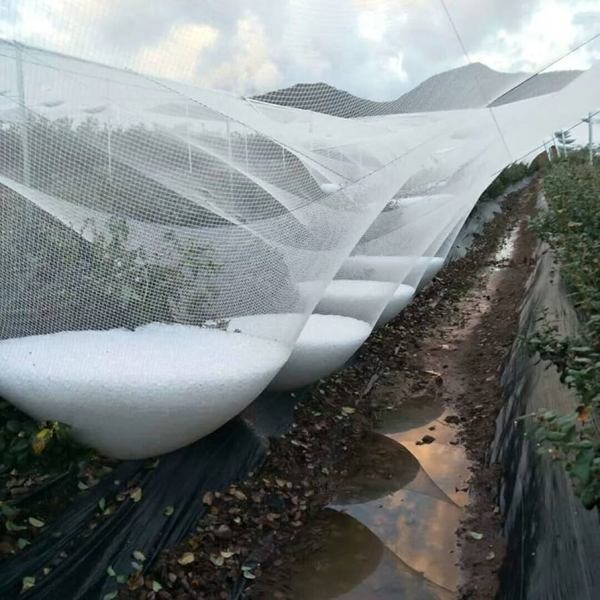
Anti-Tear Storm Safe Orchard HDPE Hail Protection Net
The 4×7mm reinforced mesh structure, crafted from high-tenacity 0.35mm HDPE monofilament, delivers exceptional tear resistance and consistent impact dispersion against hail strikes, ensuring long-term protection for orchards exposed to seasonal storms.
Simultaneously, the sun, the very source of energy for the vine, can become an adversary. In an era of shifting climate patterns and rising global temperatures, sunburn on grapes is an increasingly prevalent concern. Excessive solar radiation and heat can lead to berry scorch, causing the skin to shrivel and the pulp to develop cooked, raisiny flavors.
This is particularly problematic for aromatic white varieties, where delicate floral and fruit notes are the primary objective. Even for robust red varieties, sunburn can disrupt the delicate balance of sugars, acids, and phenolic compounds that defines a quality wine. Protective netting, therefore, must be understood not as a singular solution to a singular problem, but as a versatile system of defense. The right netting can simultaneously exclude birds, dissipate the kinetic energy of hailstones, and filter the intensity of sunlight, creating a more stable and predictable environment within the vine canopy.
A Philosophical Shift: From Reactive Measures to Proactive Protection
Historically, many methods of crop protection have been reactive. A grower might employ scare tactics for birds—like cannons, reflective tape, or distress calls—only after the birds have already identified the vineyard as a food source. These methods often suffer from a law of diminishing returns, as birds become habituated to the deterrents. After a hailstorm, a grower might apply fungicides to combat the inevitable onset of rot. These are responses to damage that has already occurred.

The adoption of netting signals a philosophical shift towards proactive protection. It is an architectural intervention in the agricultural landscape, a pre-emptive measure that prevents the damage from happening in the first place. This approach aligns with the principles of Integrated Pest Management (IPM), which prioritizes preventative and non-chemical control methods. By physically excluding birds, the need for potentially disruptive acoustic deterrents is eliminated. By creating a barrier against hail, the reliance on post-storm chemical treatments can be reduced. This proactive stance has benefits that extend beyond the immediate protection of the crop. It provides the grower with a greater sense of control and peace of mind. The constant anxiety that accompanies the ripening period—the daily scanning of the skies for storm clouds or flocks of birds—is lessened. This allows the grower to focus their energy on other aspects of viticulture, such as fine-tuning irrigation, canopy management, and harvest timing.

In essence, netting transforms the vineyard from an open, vulnerable field into a protected, semi-controlled environment, a true garden for the cultivation of fine wine.
Decoding the Threats: A Triumvirate of Vineyard Adversaries
To effectively defend the vineyard, one must first possess an intimate understanding of the adversaries.
Each threat—birds, hail, and sun—operates with its own logic, its own patterns of behavior, and its own unique signature of damage. A failure to appreciate these distinctions can lead to the selection of an inappropriate defense, resulting in wasted capital and a false sense of security. This section provides a detailed examination of each of these three primary challenges, moving beyond a superficial acknowledgment of their existence to a deeper analysis of their mechanisms and impact on the vine and its fruit. Thinking about these threats is not merely an academic exercise; it is the foundational diagnostic work required before any prescription for protection can be written.
The Avian Challenge: Bird Behavior and Crop Predation
The bucolic image of birds flitting through a vineyard belies a more antagonistic reality. For many bird species, a vineyard in late summer is a vast and inviting buffet.

The damage they inflict is not uniform; it varies significantly by species. Smaller birds, such as finches and silvereyes, may use their sharp beaks to peck and puncture individual berries. While they may not consume the entire grape, the wound they create is a gateway. Juice weeps from the puncture, attracting insects like fruit flies and wasps, and providing a fertile breeding ground for sour rot bacteria and other spoilage microorganisms. A single pecked berry can thus lead to the contamination of an entire bunch.

Larger birds, like starlings, blackbirds, and crows, pose a different kind of threat. They are capable of consuming whole berries, and because they often travel in large, coordinated flocks, they can strip entire sections of a vineyard in a remarkably short period.

Their behavior is often strategic; they may test the ripeness of the fruit, returning day after day as sugar levels rise. The timing of their attack is particularly devastating, as it typically coincides with the point of peak ripeness, just before the intended harvest date. Research has shown that birds are highly intelligent and adaptable (Gago et al., 2022). They can quickly become accustomed to scare devices. The sudden boom of a gas cannon may work for a day or two, but soon the birds learn that the noise poses no real threat. The only truly effective, long-term solution is physical exclusion. Netting presents an impassable barrier that fundamentally alters the birds’ risk-reward calculation. The vineyard is no longer an easy meal, and they are forced to seek sustenance elsewhere.


The Fury from Above: Understanding Hail and Its Devastating Impact
Hail is arguably the most terrifying of all viticultural threats due to its speed and totality. A weather forecast might predict thunderstorms, but the formation of hail is a localized and often unpredictable phenomenon. It forms within the intense updrafts of a thunderstorm, where water droplets are carried high into the freezing layers of the atmosphere, accreting layers of ice until their weight overcomes the updraft and they fall to the earth. The damage they cause is a function of their size, density, and velocity. Even small, pea-sized hailstones can bruise and puncture grapes, creating wounds similar to those inflicted by birds. Larger hailstones, however, act as projectiles, shredding leaves, breaking shoots, and in severe cases, even damaging the woody structure of the vine itself.
A vineyard post-hailstorm is a scene of utter devastation. The ground is littered with green, shredded leaf matter. The canopy, once lush and full, is tattered and skeletal. The fruit that remains on the vine is pockmarked and split, its juices beginning to ferment in the sun. As previously mentioned, the impact extends far beyond the current season. The loss of foliage severely curtails the vine’s photosynthetic engine. A plant’s ability to ripen the remaining fruit is compromised, and its capacity to build up the necessary carbohydrate reserves in its trunk and roots for winter survival and spring budburst is severely diminished. A severe hailstorm can effectively set a vineyard back a full year or more. Specialized hail netting is designed not to stop the hail in the way a solid roof would, but to absorb and dissipate its kinetic energy. The flexible structure of the net cushions the impact, slowing the hailstones and causing them to shatter or bounce off harmlessly. It is an elegant solution, using principles of physics to counter the brute force of the storm.
The Double-Edged Sword: Managing Solar Radiation and Heat Stress
Sunlight is the lifeblood of the vine, driving the photosynthesis that produces the sugars necessary for ripening. However, an excess of a good thing can be profoundly damaging. The challenge is particularly acute for the grape bunches themselves, which are more susceptible to heat and light stress than the leaves. The “afternoon sun,” which strikes the west-facing side of the vine rows, is often the most intense and damaging. Sunburn in grapes manifests in several ways. In its mildest form, it may simply cause a slight yellowing or bronzing on the skin of white grapes. In more severe cases, it leads to necrosis, where the skin darkens, cracks, and dries out, exposing the pulp beneath. The berry shrivels, and its chemical composition is irrevocably altered. The resulting wine will have lower acidity, a higher pH (which can affect stability), and undesirable cooked or stewed fruit flavors.

This problem is being exacerbated by climate change, which is leading to more frequent and intense heatwaves in many of the world’s premier wine regions. Traditional canopy management techniques, such as leaving more leaves on the sun-exposed side of the vine, can offer some protection, but they may not be sufficient during extreme heat events. This is where shade netting becomes a valuable tool. Unlike bird or hail nets, which are primarily designed as physical barriers, shade nets are engineered to modulate the light environment.

They are manufactured with varying “shade factors,” typically ranging from 15% to 40% light reduction. By filtering the most intense solar radiation, these nets can lower the temperature of the berries by several degrees, preventing sunburn and preserving the delicate aromatic compounds and acidity that are essential for high-quality wine (Matese & Di Gennaro, 2018). The use of shade netting is a nuanced decision, as too much shade can impede ripening. The choice of the correct shade factor requires a careful consideration of the specific grape variety, the row orientation, and the regional climate.
Choosing Your Shield: A Deep Dive into Netting Materials and Types
The selection of vineyard netting is a decision that requires a deeper level of inquiry than one might initially assume.
It is not simply a matter of purchasing “a net.” Rather, it involves a careful consideration of material science, manufacturing techniques, and functional design. The netting that is ideal for excluding small finches in a cool climate may be entirely unsuitable for protecting against hail in a storm-prone region or for mitigating sun exposure in a hot, arid climate. The physical properties of the net—its strength, its flexibility, its durability, and even its color—all play a role in its performance and longevity. This section will delve into the technical specifications of modern agricultural netting, providing the knowledge necessary to make an informed choice that aligns with the specific threats and viticultural goals of your vineyard.
Material Science: High-Density Polyethylene (HDPE) and Its Virtues
The vast majority of modern agricultural netting is manufactured from High-Density Polyethylene (HDPE).
To understand why this material is so ubiquitous and effective, it is helpful to think about the demands placed upon a vineyard net. It must be incredibly strong to withstand the tension of installation and the force of wind and hail. It must be lightweight to avoid damaging the vines and to facilitate handling. Most importantly, it must be resistant to environmental degradation. A net spends months, or in the case of permanent structures, years, exposed to the elements. The primary enemy in this context is ultraviolet (UV) radiation from the sun, which can break down the polymer chains of most plastics, causing them to become brittle and fail.
HDPE excels in all these areas. It has a high strength-to-density ratio, meaning it is very strong for its weight. But its true advantage lies in its chemical stability. HDPE is a hydrocarbon polymer, and its long molecular chains are very resistant to chemical attack. When manufactured for agricultural use, it is compounded with sophisticated UV inhibitors and antioxidants. These additives function at a molecular level to absorb or deflect UV radiation, protecting the integrity of the polymer. A high-quality HDPE net, properly cared for, can have a service life of a decade or more, even in high-UV environments like Australia or California. This durability is fundamental to the economic viability of netting as a long-term investment.
A Tale of Two Weaves: Knitted vs. Woven Netting
Once the material (HDPE) is chosen, the next critical variable is the method of construction. Netting is typically produced in one of two ways: knitting or weaving. While the terms may seem interchangeable to the layperson, they describe fundamentally different manufacturing processes that result in fabrics with distinct properties.

Knitted netting is produced on large, specialized knitting machines that create a fabric composed of interlocking loops. A useful analogy is to think of a sweater. If you cut a single thread in a knitted garment, it may create a small hole, but the interlocking structure of the surrounding loops prevents the damage from running or unraveling catastrophically. This “anti-run” or “anti-tear” property is a significant advantage in an agricultural setting. A small puncture from a sharp branch or a piece of equipment will not compromise the integrity of the entire net. Knitted nets also tend to have more stretch and flexibility, which can make them easier to drape over uneven vine canopies.
Woven netting, on the other hand, is constructed on a loom, with two sets of threads (the warp and the weft) interlacing at right angles. Think of a simple cotton shirt. This construction results in a very strong and dimensionally stable fabric. Woven nets have very little stretch, which can be an advantage in permanent, high-tension structures where maintaining a taut surface is paramount. However, they can be more susceptible to fraying. If a thread is cut, it can begin to unravel along the edge. High-quality woven nets often have a “leno” weave, a special technique where pairs of warp threads are twisted around the weft threads to lock them in place and prevent this fraying.
The choice between knitted and woven often comes down to the specific application. For temporary, drape-over applications, the flexibility and tear-resistance of a knitted net are often preferred. For large, permanent, overhead hail-netting structures, the dimensional stability and high strength of a woven net might be the better choice.

| Feature | Knitted Netting | Woven Netting |
|---|---|---|
| Construction | Interlocking loops (like a sweater) | Interlaced warp and weft threads (like a shirt) |
| Stretch | Higher stretch and flexibility | Low stretch, very dimensionally stable |
| Tear Resistance | Excellent; a hole will not “run” | Good, but can be prone to fraying if cut |
| Typical Use Case | Drape-over bird netting, side netting | Permanent overhead hail structures, high-tension systems |
| Weight | Often lighter and easier to handle | Can be heavier and more rigid |
Color Theory in the Vineyard: How Net Color Influences Microclimate
The color of a net is not merely an aesthetic choice; it has a measurable impact on the light spectrum that reaches the vine canopy and, consequently, on the microclimate within. The most common colors for vineyard netting are white (or translucent), black, and sometimes green or grey. Each color interacts with sunlight in a different way.
White or Translucent Netting: This is the most common choice for bird and hail protection where the primary goal is physical exclusion without significantly altering the light environment. White nets have high reflectivity. They reflect a large portion of the light spectrum, allowing a high percentage of photosynthetically active radiation (PAR) to pass through to the leaves. This is desirable in cooler climates where maximizing sunlight is important for ripening. The reflection also means they absorb less heat, so they have a minimal impact on canopy temperature.
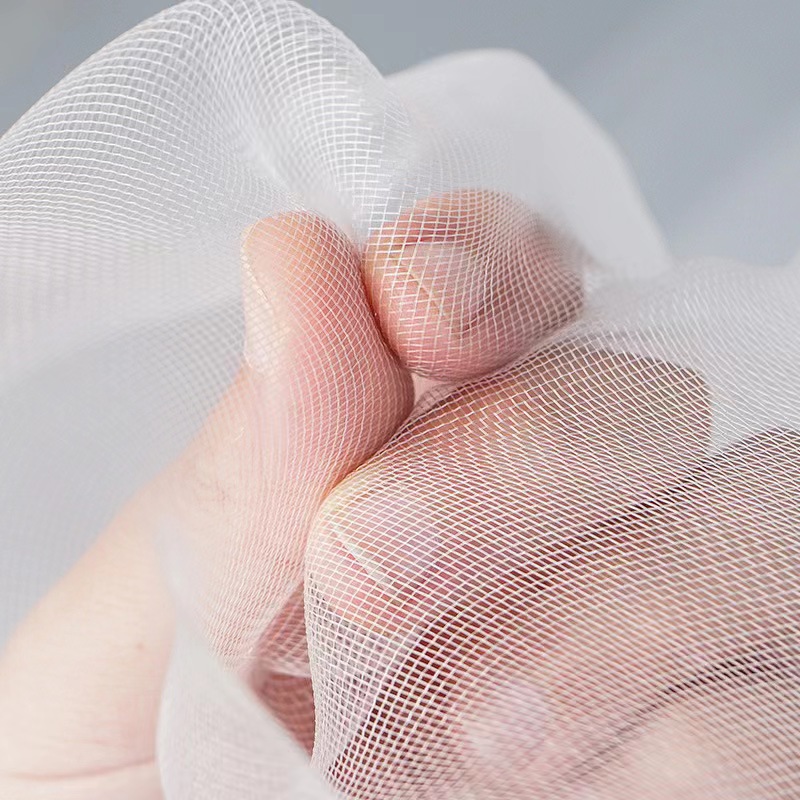
Black Netting: Black nets, in contrast, absorb a significant portion of the light spectrum. This absorption has two effects. First, it reduces the total amount of light reaching the canopy, creating a shading effect. A black net may have a shade factor of 15-25% even if it is not specifically designed as a shade net. Second, by absorbing light, the net itself heats up. This heat can then be radiated into the canopy, potentially increasing the temperature slightly. Black netting is often chosen in very hot, high-light environments where a reduction in light intensity is seen as a benefit, providing a degree of protection against sunburn in addition to its primary function as a bird or hail barrier.
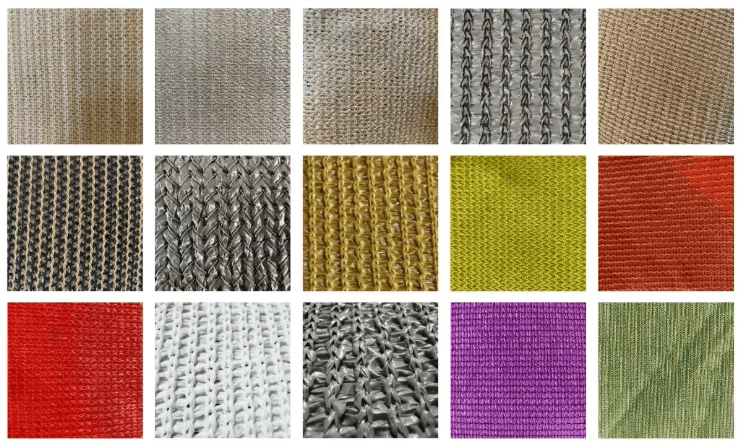
Colored Nets (Green, Grey, Blue, Red): In recent years, there has been significant research into “photo-selective” netting. These nets are designed with specific pigments that alter the quality of the light, not just the quantity. For example, red nets are designed to enrich the red and far-red portions of the light spectrum, which can influence plant morphology and development. Grey nets provide neutral shading, reducing light intensity without altering the spectral composition. While still a developing field in viticulture, the use of colored nets represents a sophisticated approach to managing plant growth and fruit composition by manipulating the light environment.
Specialized Netting Solutions: Bird, Hail, and Shade Nets Explained
While there is some overlap in function, netting is often engineered and marketed for one of three specific purposes: bird control, hail protection, or shade.
Bird Netting: The most critical specification for bird netting is the mesh size. The mesh must be small enough to prevent the target bird species from pushing its head through the holes. A 15mm to 20mm mesh is a common standard, effective against most small to medium-sized birds. Bird netting is typically lightweight, as it only needs to be strong enough to resist the birds and the elements. It can be draped directly over the vines or used as side-netting on a trellis system. For growers seeking reliable protection, a range of custom netting solutions can be tailored to specific row dimensions and bird pressures.
Hail Netting: Hail netting is a feat of material engineering. It must be exceptionally strong to withstand the impact of hailstones traveling at high speeds. The “denier,” a measure of fiber thickness, and the grams per square meter (GSM) of hail netting are significantly higher than those of bird netting. A typical hail net might have a GSM of 90-120, compared to 30-50 for a standard bird net. The mesh is often a triangular or diamond shape, which is structurally very strong and helps to dissipate impact forces. It is almost always installed in a permanent, high-tension overhead structure, creating a roof over the entire vineyard block.
Anti-Tear Storm Safe Orchard HDPE Hail Protection Net
The 4×7mm reinforced mesh structure, crafted from high-tenacity 0.35mm HDPE monofilament, delivers exceptional tear resistance and consistent impact dispersion against hail strikes, ensuring long-term protection for orchards exposed to seasonal storms.
Shade Netting: Shade netting is defined by its shade factor, which is precisely controlled during the manufacturing process. It is available in a wide range of percentages, allowing a grower to select the exact level of light reduction required for their specific conditions. For example, a grower of delicate Riesling in a hot climate might choose a 30% shade net, while a grower of thick-skinned Cabernet Sauvignon might only need a 15% net. Shade nets are often installed over the top of the canopy, similar to hail nets, but they can also be used as side panels to protect against the harsh afternoon sun.

The Architecture of Protection: Netting Structures and Installation Methodologies
The effectiveness of any vineyard netting system is as dependent on its structure and installation as it is on the quality of the net itself. A premium-grade hail net improperly tensioned or a bird net with gaps at the ground will fail to provide the protection for which it was intended. The choice of installation method is a strategic decision, balancing cost, labor, durability, and the specific viticultural practices of the vineyard. There is no single “best” method; the optimal solution is one that is tailored to the topography of the land, the design of the trellis system, and the nature of the threat.
This section explores the primary architectural approaches to netting a vineyard, from simple, temporary drapes to complex, permanent enclosures, examining the practical considerations of each.
Draping the Canopy: The Simplicity and Nuances of Drape-Over Netting
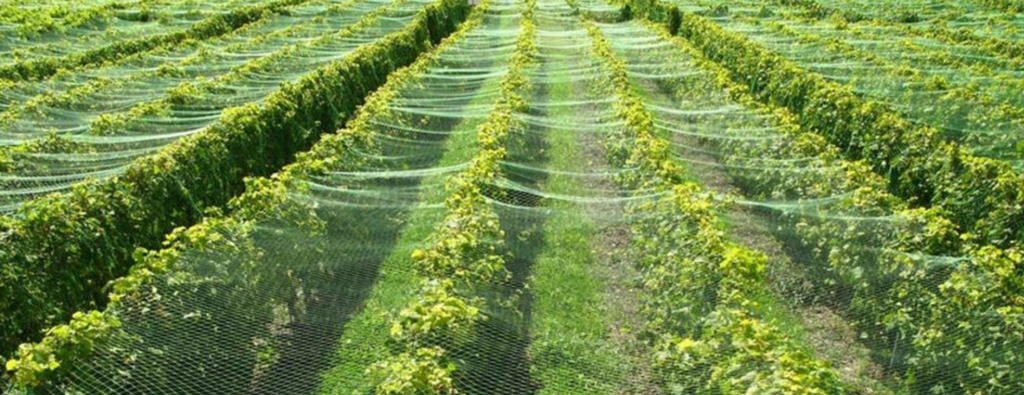
The most straightforward method of applying netting is to drape it directly over the vine canopy. This approach, often called “drape-over” or “throw-over” netting, is particularly common for bird protection in smaller vineyards or in regions where the bird pressure is seasonal and predictable. The appeal of this method lies in its relative simplicity and lower initial cost. It does not require an extensive system of posts and cables beyond the existing vineyard trellis. The nets are typically rolled out over the top of the rows by hand or with a specialized tractor attachment just before the grapes begin to change color (véraison), and they are removed after harvest.
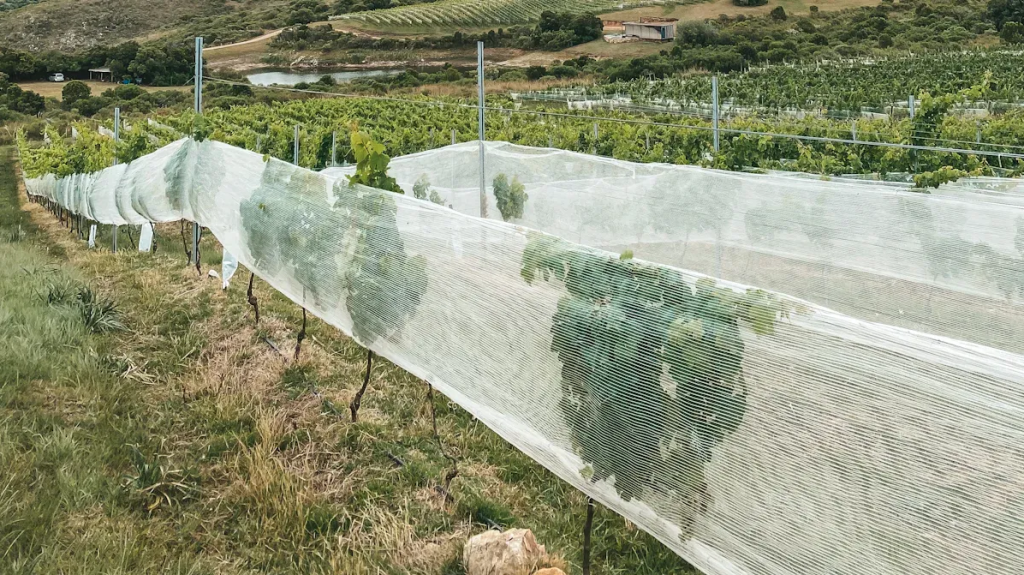
Despite its simplicity, a successful drape-over installation requires attention to detail. The net must be wide enough to cover the canopy completely and reach the ground, or at least be securely fastened below the fruit zone. Any gaps will be exploited by persistent birds.
The nets can be secured by clipping them together between rows or by weighing them down with soil or gravel bags. One of the primary challenges with drape-over netting is its interaction with the vine itself. If the net is applied too loosely, it can become entangled in the vine’s shoots and tendrils, making removal a difficult and time-consuming process. If a strong wind catches a loose net, it can cause significant abrasion, damaging leaves and fruit. Furthermore, any vineyard operations that need to take place while the nets are on, such as late-season leaf thinning or targeted spraying, become much more complicated.
Building a Fortress: The Robustness of Full-Canopy Enclosures (Side Netting)
A more structured and often more effective approach is the use of side netting to create a full-canopy enclosure. In this system, the existing trellis posts are extended upwards, and a series of wires are run along the top and sometimes the middle of the row. The netting is then unrolled along the sides of the row and clipped to these wires, creating two vertical walls of net on either side of the canopy. A separate, narrower net may be applied over the top, or the two side nets may be joined together at the peak. This method effectively creates a long, continuous tunnel of netting down each row.

The advantages of this system over drape-over netting are numerous. Because the net is not in direct contact with the vine canopy, the risk of entanglement and abrasion is greatly reduced. Air circulation within the canopy is improved, which can help to reduce disease pressure. Vineyard operations can continue with relative ease; sprayers can still access the canopy, and workers can often reach through the mesh for minor adjustments. The nets are held under tension, making them less susceptible to wind damage. While the initial setup requires more infrastructure—post extensions, wires, and a greater number of clips and fasteners—the ease of annual application and removal often offsets this cost in terms of labor savings over the long term. This system represents a middle ground, offering a higher level of protection and convenience than drape-over netting without the expense and permanence of a full overhead structure.
The Apex of Defense: Overhead and Tunnel Netting Structures
For the ultimate level of protection, particularly against hail, growers turn to permanent, overhead netting structures. These are significant engineering projects that transform the vineyard into a fully enclosed environment. There are two main configurations:
Overhead (or Full-Field) Netting: In this system, a grid of tall, robust poles (often steel or pre-stressed concrete) is installed throughout the vineyard block. A network of high-tensile steel cables is strung between these poles, creating a structural framework several meters above the vine canopy. The hail netting is then stretched across this framework and tensioned, forming a continuous, slightly angled roof over the entire field. The structure is engineered to withstand immense loads from wind, snow, and the impact of hail. It is a permanent installation designed to last for decades.
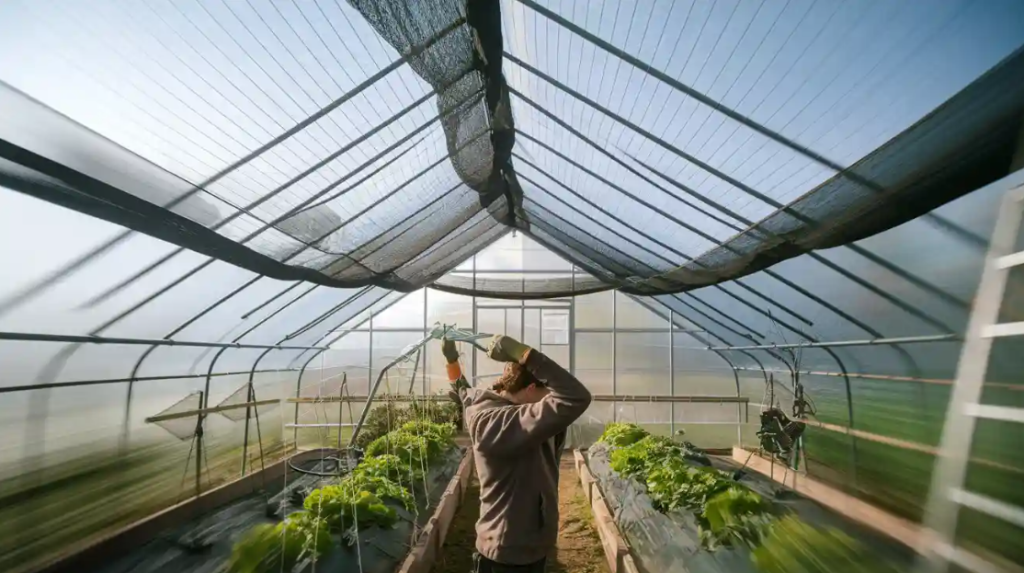
Tunnel Netting: A variation on this theme is the tunnel or “hoop house” structure. In this method, individual rows or pairs of rows are covered by their own arched structures, over which the netting is stretched. These tunnels can be permanent or semi-permanent. This approach can be more adaptable to uneven terrain and may allow for more tailored microclimate management on a row-by-row basis.

The primary advantage of these permanent structures is their unparalleled level of protection. They offer a near-total defense against both hail and birds. Once installed, the annual labor involved is minimal. However, the initial capital investment is substantial, often running into tens of thousands of dollars per hectare. These systems also have a more significant impact on the vineyard’s microclimate, reducing light levels and potentially altering temperature and humidity (Scattone et al., 2021). The decision to invest in such a structure is typically made in regions with a high historical frequency of devastating hailstorms, where the cost of the system is justified by the near certainty of preventing catastrophic crop loss.
| Installation Method | Primary Use | Cost (Initial) | Labor (Annual) | Canopy Contact |
|---|---|---|---|---|
| Drape-Over | Bird Protection | Low | High | Yes |
| Side Netting | Bird, Partial Hail | Medium | Medium | No |
| Overhead Structure | Hail, Bird | High | Low | No |
The Mechanics of Installation: Tensioning, Anchoring, and Securing
Regardless of the system chosen, the mechanical details of the installation are paramount. A net is only as strong as its weakest point, which is often a poorly secured anchor or an improperly tensioned section.
Tensioning: A taut net is a strong net. Proper tension prevents the net from flapping in the wind, which is a primary cause of wear and tear. In overhead systems, specialized tensioning devices are used to apply a precise amount of force to the cables and the net itself. For side netting, the clips and fasteners used to attach the net to the wires must be strong and UV-stabilized. The goal is to create a smooth, drum-like surface that can shed wind and deflect impacts.
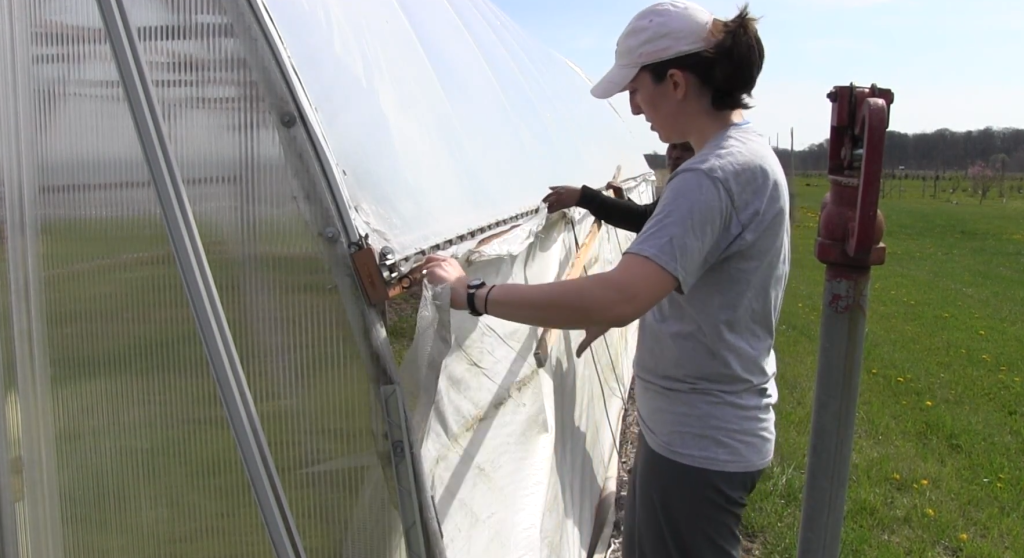
Anchoring: All the forces acting on the netting system—wind, hail, the weight of the net itself—are ultimately transferred to the ground through the anchoring system. For permanent overhead structures, this involves substantial concrete footings for the main poles and deeply driven screw-in or deadman anchors for the perimeter cables. The engineering of the anchoring system must account for the specific soil type and the maximum expected wind loads for the region. Even for simpler side-netting systems, the end posts of each row must be securely braced to handle the tension of the supporting wires.

Securing: The small details of securing the net are just as important. All clips, ties, and fasteners must be made from UV-stabilized materials to prevent them from becoming brittle and failing after a season or two in the sun. Seams where two pieces of net are joined must be properly sewn or clipped to ensure there are no gaps. Along the ground, the net must be sealed to prevent birds from walking underneath. This can be achieved by burying the edge of the net, weighing it down with gravel bags, or using specialized soil anchors. Every potential point of entry must be identified and secured.

The Economics of Security: Calculating the Return on Investment (ROI) of Vineyard Netting
The decision to invest in a netting system is, at its core, an economic one. It requires a vineyard owner to weigh a significant upfront capital expenditure against the potential for future gains and loss avoidance. This is not a simple calculation. It involves forecasting, risk assessment, and a clear-eyed view of the vineyard’s financial performance. To justify the cost, the return on investment (ROI) must be clear and compelling. The “return” in this equation is not just the value of the grapes saved in a single year but a more complex figure that includes enhanced quality, operational efficiencies, and long-term financial stability. This section breaks down the economic components of a netting investment, providing a framework for growers to evaluate the financial wisdom of protecting their most valuable asset.
The Initial Outlay: A Breakdown of Costs (Netting, Labor, Hardware)
The first step in any ROI calculation is to understand the total initial cost. This can be divided into three main categories:
- The Netting Itself: This is often the largest single component of the cost. The price of netting varies widely based on its type (bird, hail, shade), quality (material, UV stabilization, weight), and quantity. A lightweight, drape-over bird net might cost a few thousand dollars per hectare, while a premium-grade, permanent overhead hail netting system can be an order of magnitude more expensive. It is tempting to opt for the cheapest option, but this can be a false economy. A lower-quality net may have a shorter lifespan, requiring replacement sooner and ultimately costing more over the long term.
- Hardware and Structural Components: This category includes everything other than the net itself. For a simple drape-over system, this might just be a small number of clips or pegs. For a side-netting system, it includes post extensions, wires, tensioners, and a large quantity of specialized clips. For a full overhead hail structure, this is a major expense, encompassing steel or concrete poles, high-tensile cables, anchors, and a vast array of specialized fittings. The cost of these components can sometimes equal or exceed the cost of the netting.
- Labor and Equipment: The cost of installation is a significant factor. A drape-over system can often be installed by the existing vineyard crew with minimal specialized equipment. A side-netting system requires more time and labor to set up the initial infrastructure. A permanent overhead structure is a major construction project that almost always requires a specialized contractor with the right equipment (such as pile drivers and aerial lifts) and expertise. These installation costs must be fully factored into the initial investment.
The Payback Period: How Saved Grapes Translate to Profit
With the total investment cost established, the next step is to calculate the payback period. This is done by estimating the annual financial benefit of the netting and dividing the total investment by this figure. The annual benefit is primarily the value of the crop that would have been lost without protection.
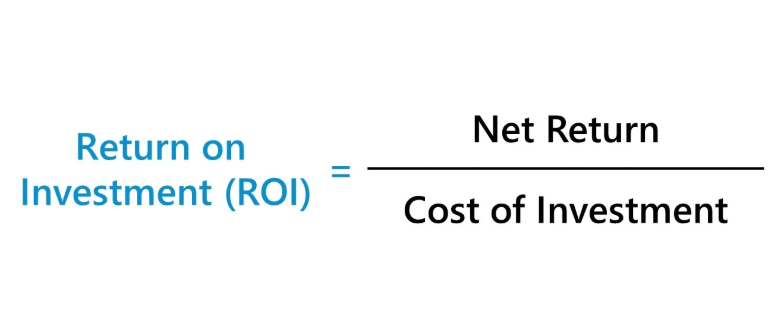
To calculate this, a grower needs to make a realistic assessment of their historical or potential crop loss. Let’s consider a hypothetical example:
- Vineyard: 5 hectares of Pinot Noir.
- Average Yield: 8 tons per hectare.
- Average Grape Price: $3,000 per ton.
- Total Potential Revenue: 5 ha * 8 t/ha * $3,000/t = $120,000.
- Estimated Annual Loss to Birds: 15%.
- Annual Loss in Revenue: $120,000 * 0.15 = $18,000.
Now, let’s assume the grower invests in a mid-range side-netting system:
- Total Investment Cost (Netting, Hardware, Labor): $45,000.
- Simple Payback Period: $45,000 / $18,000 per year = 2.5 years.
In this simplified model, the investment pays for itself in just two and a half seasons. Of course, the calculation becomes more complex when dealing with less frequent but more devastating threats like hail. For hail netting, the calculation is more akin to an insurance policy. A region might experience a devastating hailstorm only once every five or ten years. In a year with no hail, the “return” is zero. But in a year with a major storm, the netting might save 80-100% of the crop, a return of nearly $100,000 in our example, potentially paying for the entire system in a single event. A proper analysis for hail netting often uses a probabilistic model, multiplying the potential loss by the statistical probability of a storm occurring in any given year.
Long-Term Value: Durability, Lifespan, and Reduced Annual Losses
The simple payback period is a useful metric, but it doesn’t tell the whole story. The true economic value of a netting system is realized over its entire lifespan. A high-quality HDPE net with good UV stabilization might last for 10-15 years. Using our previous example, after the 2.5-year payback period, the system continues to generate a “profit” of $18,000 per year for the remainder of its service life. Over a 10-year lifespan, the total return would be $180,000 on a $45,000 investment, representing a nearly 300% return on investment, not accounting for the time value of money.
This long-term perspective highlights the importance of investing in quality. A cheaper net that fails after 4 years may never even reach its payback period, becoming a net financial loss. A durable, long-lasting net, while more expensive upfront, provides years of “free” protection after it has paid for itself.
This consistent, predictable protection also has a stabilizing effect on the vineyard’s finances. The wild swings in revenue caused by environmental damage are smoothed out, making it easier to budget, plan for future investments, and secure financing from lenders, who look favorably upon businesses that have taken concrete steps to mitigate risk.
Secondary Benefits: Water Conservation and Reduced Pesticide Use
The economic benefits of netting are not limited to direct crop protection. The presence of a net over the canopy can create a more favorable microclimate, leading to secondary economic advantages.
Water Conservation: By reducing wind speed across the canopy and filtering direct sunlight, netting can lower the rate of evapotranspiration—the process by which water is lost from the leaves. This means the vines may require less irrigation to stay hydrated, especially during hot, dry periods. While the effect varies depending on the type of net and the climate, even a 5-10% reduction in water use can translate into significant cost savings in regions where water is scarce and expensive.
Reduced Pesticide Use: Netting’s impact on pest management can also yield economic benefits. By physically excluding birds, the wounds they create are eliminated, which in turn reduces the incidence of secondary bacterial and fungal infections like sour rot. This can decrease the need for late-season fungicide or bactericide sprays. Some research also suggests that netting can disrupt the movement of certain flying insects, potentially reducing the populations of pests like leafhoppers. A reduction in the number of spray applications saves money on chemicals, fuel, and labor, and it aligns with a more sustainable and environmentally friendly approach to viticulture, which can itself have market value. These secondary benefits, while sometimes harder to quantify than direct crop savings, are an important part of a holistic ROI calculation.
Living with the Net: Maintenance, Repair, and Off-Season Storage
An investment in a vineyard netting system does not end with its installation. Like any piece of essential farm equipment, netting requires regular maintenance, timely repairs, and proper care during the off-season to ensure it reaches its maximum potential lifespan. A proactive approach to net management can mean the difference between a system that lasts for fifteen years and one that fails in five. Neglecting maintenance not only jeopardizes the longevity of the netting but can also compromise its effectiveness during the growing season. This section details the practical, year-round responsibilities of living with netting, transforming it from a passive barrier into an actively managed asset.
The Annual Check-up: Inspection Protocols for Damage and Wear
The most important maintenance task is a thorough annual inspection. The ideal time for this is just before the nets are to be deployed for the season, or, for permanent structures, during the dormant winter period when the entire structure is easily visible. The inspection should be systematic and meticulous.

For drape-over or side-netting systems, the nets should be fully unrolled on a clean, flat surface. The inspection process involves walking the length of the net, looking for any signs of damage. This includes:

- Holes and Tears: Even small holes can be exploited by birds or become the starting point for larger tears. Mark any damage with a brightly colored zip-tie or piece of tape for later repair.
- UV Degradation: Feel the texture of the net. If it feels brittle or chalky to the touch, or if it tears easily when pulled, it may be nearing the end of its life due to UV degradation. Pay special attention to the folds and creases where the material has been stressed.
- Abrasion: Look for areas where the fibers have become frayed or worn thin. This often occurs where the net has rubbed against trellis posts, wires, or the vines themselves.
- Seams and Edges: For nets that have been joined together, inspect the stitching or clips along the seams to ensure they are secure.
For permanent overhead structures, the inspection is more complex:
- Netting: Use binoculars or a drone to inspect the surface of the net for holes or damage. Pay close attention to the areas around poles and along cables where abrasion is most likely.
- Structural Components: Check the tension of all cables. Inspect poles for any signs of corrosion or damage. Most critically, examine all anchors to ensure they are secure and have not pulled out of the ground. Check all clips, shackles, and fasteners for wear and tear.
A written record of the inspection, noting the location and type of any damage found, is an invaluable tool for managing repairs and tracking the overall condition of the system over time.
Mending the Shield: Practical Techniques for Net Repair
Finding damage is only half the battle; timely and effective repair is what preserves the integrity of the system. The repair method depends on the type of net and the size of the damage.

For small holes (a few centimeters in diameter) in knitted or woven netting, the simplest solution is often a patch. A small piece of netting material can be placed over the hole and secured in place. The most durable method is to “sew” the patch on using a UV-stabilized twine and a large, blunt-tipped needle. For a quicker field repair, high-quality, UV-stabilized zip-ties can be used to stitch the patch to the main net. It is wise to have a small repair kit, including patches, twine, and zip-ties, on hand during both installation and removal.

For long tears or large areas of damage, a simple patch may not be sufficient. In these cases, it may be necessary to cut out the damaged section entirely and replace it with a new piece of netting. The new piece should be larger than the hole it is replacing, allowing for a generous overlap. The edges must then be securely joined to the existing net. For knitted nets, this can be done by careful sewing. For woven nets, which can be prone to unraveling, it may be necessary to heat-seal the cut edges before sewing the patch in place. For any significant repairs on durable agricultural netting, consulting the manufacturer for recommended repair techniques is always a good practice.

The Winter Slumber: Best Practices for Removal and Storage
For non-permanent systems, proper removal and storage are just as important as the installation. A net that is hastily removed and improperly stored can sustain more damage during the off-season than it does during the entire growing season.

Removal: The removal process should be the mirror image of the installation. Begin by removing all clips, pegs, or weights that secure the net. If the net has become entangled with the vines, it must be freed carefully to avoid tearing the net or damaging the vine’s canes, which are the fruiting wood for the next season. Once free, the net should be cleaned of any leaves, twigs, or other debris. A leaf blower can be very effective for this task. The clean net should then be carefully folded or rolled. Rolling the nets onto a spindle, either manually or with a tractor-mounted hydraulic winder, is the preferred method as it avoids creating hard creases that can become weak points.
Storage: The storage location is critical. The ideal storage space is a dry, dark, and rodent-proof shed or barn.
- Protection from UV: Even when not in use, the net should be protected from sunlight. Store the rolled nets indoors or, if they must be stored outside, cover them with a heavy, opaque, UV-proof tarp.
- Protection from Rodents: Mice and other rodents love to nest in folded netting during the winter, and they can chew numerous holes in the process. Storing the nets on high shelves or in sealed containers can help to prevent this. Some growers place rodent bait stations around the storage area as an additional precaution.
- Air Circulation: Avoid storing the nets directly on a concrete floor where they can absorb moisture. Place them on wooden pallets to allow for air circulation and prevent the growth of mold and mildew.
By following these protocols for maintenance, repair, and storage, a grower can maximize their return on investment by ensuring their netting system remains a reliable and effective shield for many seasons to come.
Beyond the Obvious: The Subtle Influences of Netting on Viticulture
The primary functions of vineyard netting—to provide a physical barrier against birds and hail and to modulate sunlight—are clear and direct. However, the introduction of a semi-permeable membrane over a complex biological system like a vineyard inevitably produces a cascade of secondary and tertiary effects. These subtle influences on the vineyard’s microclimate and the vine’s physiology are often overlooked but can have a significant impact on both the process of grape growing and the final quality of the wine. Understanding these effects allows a grower to move from simply using netting as a shield to integrating it as a sophisticated tool for viticultural management. It is a shift from defense to cultivation.

Microclimate Modification: Effects on Temperature, Humidity, and Light
A net, regardless of its primary purpose, alters the immediate environment of the vine canopy. This “microclimate modification” is a product of the net’s interaction with sun, wind, and moisture.
Light: As discussed previously, all nets reduce the quantity of light reaching the canopy to some degree. Even a white hail net with a very open mesh might reduce photosynthetically active radiation (PAR) by 10-15%. Shade nets are designed to do this deliberately, but it is a side effect of all netting. In hot, high-light regions, this reduction can be beneficial, reducing stress on the vine. In cool, marginal climates, however, this light reduction could potentially delay ripening if not properly accounted for. Furthermore, nets change the quality of the light. They scatter direct sunlight, creating a more diffuse light environment within the canopy. This can actually be beneficial, as it allows light to penetrate deeper into the canopy and illuminate leaves that would otherwise be shaded, potentially improving the overall photosynthetic efficiency of the vine (Matese & Di Gennaro, 2018).
Temperature: The effect of netting on temperature is complex. During the day, the shading effect can lower the temperature of the leaves and berries, reducing the risk of sunburn and heat stress. At night, however, the net can trap some of the heat radiating from the ground, potentially keeping the canopy slightly warmer than the outside air. This can reduce the risk of late spring frosts in some situations. The color of the net plays a significant role; black nets absorb more heat and can lead to slightly higher canopy temperatures compared to white nets.
Wind and Humidity: One of the most significant microclimatic effects of netting is the reduction in wind speed. By creating a calmer environment within the canopy, the net reduces physical damage to shoots and leaves and, as noted earlier, can lower the rate of evapotranspiration. This reduction in air movement, however, can also lead to an increase in relative humidity within the canopy. Higher humidity can create a more favorable environment for certain fungal diseases, such as powdery mildew. This means that a grower using netting may need to be even more vigilant with their canopy management (e.g., leaf thinning) to ensure good air circulation and may need to adjust their spray program accordingly.
The Impact on Vine Physiology and Grape Composition
These changes in the microclimate directly influence the way the vine grows and the way the grapes ripen. The vine is a sensitive organism, and it responds to these new environmental cues. The reduction in light and wind stress can lead to vines with larger leaves and longer shoots. The improved water status of the vine, due to reduced evapotranspiration, can also promote vegetative growth. This may require adjustments to trimming and hedging practices to maintain a balanced canopy.

The effect on grape composition is of paramount importance to the winemaker. The cooler berry temperatures found under netting can be highly beneficial for preserving volatile aromatic compounds (thiols and terpenes) in white varieties like Sauvignon Blanc and Riesling, leading to more intensely aromatic wines. The preservation of malic acid, which tends to degrade rapidly in high heat, can lead to wines with a fresher acidity and better balance. For red varieties, the effects are more nuanced. The cooler, more diffuse light environment under nets can sometimes lead to lower levels of certain phenolic compounds, such as tannins and anthocyanins (which provide color), particularly if the light reduction is excessive. However, by preventing the heat-induced shutdown of photosynthesis, netting can also allow for a longer, more even ripening period, potentially leading to more complex and elegant flavor profiles, rather than the overripe, jammy character that can result from heat stress. Studies have shown that netting can be a valuable tool for mitigating some of the negative effects of climate change, helping growers to maintain their region’s characteristic wine style in the face of rising temperatures (Scattone et al., 2021).

Integration with Vineyard Operations: Spraying, Pruning, and Harvesting
The physical presence of a netting structure requires an adjustment in nearly all vineyard operations. This is a practical reality that must be considered from the outset.
Spraying: Applying fungicides and insecticides becomes more challenging. For drape-over netting, the net may need to be lifted or removed for spraying, which is highly labor-intensive. With side netting and overhead structures, sprayers can still access the rows, but the net can intercept a portion of the spray, reducing the amount that reaches the target canopy. This may require calibrating the sprayer to a higher volume or using sprayers with fans that can push the spray through the mesh more effectively.

Pruning and Canopy Management: Winter pruning is generally unaffected, as temporary nets are in storage. However, for permanent structures, access to the top of the vines may be slightly more restricted. Summer trimming and hedging must be done with care to avoid cutting or entangling the net.

Harvesting: Mechanical harvesting is often incompatible with drape-over netting and can be difficult with some side-netting configurations. The beaters of a mechanical harvester can easily catch and tear the net. For vineyards that are mechanically harvested, a full overhead structure that provides ample clearance is often the only viable option. For vineyards that are hand-harvested, netting presents less of an obstacle, although workers must still learn to work around or under the structure, which can slightly reduce picking efficiency.

Ultimately, the successful adoption of netting requires a holistic approach. It is not an isolated addition but an integral part of the vineyard system, influencing and being influenced by every other aspect of viticulture.
Frequently Asked Questions (FAQ)
1. How long does vineyard netting typically last? The lifespan of vineyard netting depends heavily on the material quality, UV stabilization, type of net, and environmental conditions. A high-quality, properly maintained HDPE knitted bird net might last 8-12 years. A heavy-duty woven hail net installed in a permanent structure can last for 15-20 years or more. Cheaper, lower-grade nets may only last 3-5 seasons.
2. Can I install vineyard netting myself? Drape-over bird netting can certainly be a DIY project for a small vineyard, requiring careful handling but no specialized equipment. Side-netting systems require more skill to install the support wires and posts correctly. Permanent overhead hail netting structures are complex engineering projects that should almost always be installed by experienced professionals to ensure structural integrity and safety.
3. Will netting affect the pollination of my grapevines? Grapevines are self-pollinating and rely on wind, not insects, to move pollen from the anther to the stigma within their small, inconspicuous flowers. Netting is installed long after the flowering and fruit-set period, typically just before the grapes begin to ripen (véraison). Therefore, netting has absolutely no negative impact on pollination.
4. What is the best way to clean and store my nets? Before storage, remove all leaves and debris using a leaf blower or by shaking the net. If very dirty, it can be gently washed with water and a mild detergent. The most important part of storage is to keep the nets dry, out of direct sunlight, and protected from rodents. Roll them neatly and store them indoors on pallets or shelves.
5. Does the color of the netting really matter? Yes, color has a significant effect. White or translucent nets are best for minimizing any impact on the light environment, making them ideal for bird or hail protection in cooler climates. Black nets provide a degree of shading (15-25%), which can be beneficial in hot, sunny climates to help prevent sunburn. Photo-selective colored nets (e.g., red, grey, blue) are an emerging technology used to manipulate vine growth and grape composition.

6. Can one type of net protect against birds, hail, and sun? Yes, to some extent. A heavy-duty hail net will also exclude all birds. Because it reduces light by 10-20%, it also offers a small amount of sun protection. Similarly, a black bird net will offer some shade. However, for optimal performance, it is best to choose a net designed for your primary threat. Hybrid nets that aim to combine features, such as a strong hail net with a specific shade factor, are also available.
7. How do I calculate the amount of netting I need? For drape-over netting, measure the height of your canopy from the ground on one side, over the top, and back down to the ground on the other side to get the required width. The length is simply the length of your rows plus a little extra. For side netting or overhead structures, the calculation is more complex and depends on the specific design of the structure. It is best to consult with a supplier who can help you create a precise plan based on your row spacing and post height.
The decision to integrate netting into a vineyard’s management plan is a profound one, marking a transition from a reactive posture towards environmental threats to a proactive strategy of asset protection and quality assurance. As this guide has detailed, netting is not a monolithic solution but a diverse and adaptable technology. The choice of material, the method of construction, and the architecture of the installation must all be carefully calibrated to the specific challenges of a given site—be it the persistent threat of birds, the catastrophic potential of hail, or the pervasive stress of excessive sun.
The economic calculus, while demanding a significant initial investment, consistently demonstrates a compelling return through the prevention of crop loss, the enhancement of fruit quality, and the stabilization of annual revenue. Beyond the clear financial benefits, however, lies a deeper value. Netting introduces a degree of predictability into the inherently unpredictable enterprise of agriculture. It mitigates risk, lessens anxiety, and empowers the grower to focus on the fine art of viticulture. The subtle impacts on the vineyard microclimate further elevate netting from a mere shield to an active tool for manipulating the growing environment to achieve specific stylistic goals in the final wine.
In the context of a changing climate and evolving economic pressures, A Vineyard’s Complete Guide to Netting for Birds, Hail, and Sun illustrates that such protective systems are no longer a luxury, but an increasingly fundamental component of resilient and successful viticulture in the 21st century.

Read our most popular articles.
👉 Download our free product categories
👉 The Ultimate Guide to Installing Anti-Insect Nets in Greenhouses
👉 Anti-Insect Nets vs. Chemical Pesticides — A 3-Point Health and Yield Comparison
👉 Practical Buyer’s Guide: HDPE vs. Nylon: A Material Showdown for Garden Netting
👉 The Ultimate Guide To Choosing Garden Netting: Pest, Material, and Crop Considerations
👉 How to Start a Private Label Netting Business: A 5-Step Framework for Work
👉 The Chinese Manufacturing vs. Local Suppliers: A Netting Buyer’s Guide