
Protective netting is no longer just a cover. It has become a cornerstone of sustainable, regenerative farming—a multi-purpose regulator rather than a mere defensive tool.
By creating a physical buffer, netting stabilizes the crop microenvironment. It offers a robust, non-chemical alternative to pesticides, effectively cutting synthetic inputs. Beyond pest control, it shields yields from volatile abiotic stressors: hail, solar radiation, and frost.
The benefits extend to resource efficiency. Netting reduces water loss by lowering evapotranspiration. In a regenerative context, this stability prevents soil erosion and fosters microbial health.
Challenges remain, specifically regarding high upfront costs and plastic waste. However, the shift toward biodegradable materials and circular recycling is clear. Protective netting is now a proactive strategy for building resilient, high-yield agricultural landscapes.
Fast Reading
- Reduce dependency on chemical pesticides by physically excluding harmful insects and birds.
- Conserve significant amounts of water by lowering wind speed and solar radiation at the crop level.
- Protect crops from extreme weather events like hail, strong winds, and sudden frosts.
- Improve crop quality and yield by creating a stable and optimized microclimate.
- Support biodiversity by shielding beneficial insects and reducing soil disturbance.
- Implement the use of protective netting in sustainable and regenerative agriculture for long-term farm resilience.
- Enhance soil health by minimizing erosion from both wind and heavy rainfall.
Understanding the Foundations: Sustainable vs. Regenerative Agriculture
To understand protective netting, one must first grasp the principles of modern farming. “Sustainable” and “regenerative” are often used interchangeably, yet they represent distinct goals on a continuum of care.
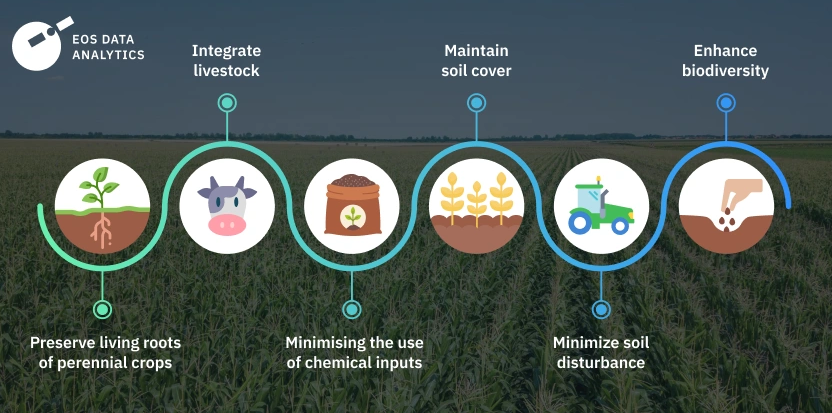
Defining Sustainability: A Closed-Loop Ideal
At its core, sustainability is about maintenance. It asks: “How can we farm indefinitely without depleting resources?” The goal is equilibrium. A sustainable farmer meets present needs without compromising future generations.
This requires a careful balance. The aim is to minimize negative outputs like erosion and pollution while reducing synthetic inputs. It is a closed-loop system—doing no further harm and holding the line against degradation.
The Regenerative Leap: Actively Healing the Land
Regenerative agriculture is more ambitious. It asks: “How can farming actively improve the ecosystem?” It does not just sustain; it rebuilds. If sustainability means not making soil poorer, regeneration means making it richer.
This approach treats the farm as a living organism. Key practices include no-till farming, cover crops, and complex rotations. The goal is to increase organic matter, enhance biodiversity, and improve water-holding capacity. It builds resilience against drought and flood.
Where Protective Netting Fits in Both Philosophies
Netting is a foundational architectural intervention. It creates a controlled interface between the crop and the environment.
In a Regenerative Context: Netting acts as a facilitator. It creates a stable microclimate that fosters the soil food web—the engine of regeneration. By preventing erosion, it keeps carbon-rich topsoil in place. It allows for high-value, sensitive crops, diversifying the farm’s portfolio. It provides the stable conditions necessary for nature’s own healing processes to flourish.
In a Sustainable Context: Netting is a prime tool for input reduction. By physically excluding pests, it eliminates the need for chemical insecticides. It shields crops from harsh weather, securing yields without resource-intensive recovery.
The Physical Shield: How Protective Netting Mitigates Environmental Stressors
Farming is a constant negotiation with nature. Farmers can prepare the soil, choose their seeds, and plan for the harvest, but they’re always at the mercy of the weather and local wildlife. Protective netting changes that balance slightly—it acts as a physical barrier, helping control which elements actually reach the crops.

Pest Management Beyond Pesticides
For much of the 20th century, the primary response to insect or bird damage was chemical. This approach, while effective in the short term, has well-documented consequences, including harm to non-target species like pollinators, pesticide resistance, and potential contamination of water sources. Regenerative agriculture seeks a different path, one based on ecological balance rather than chemical warfare.
Insect exclusion netting is a cornerstone of this approach. Imagine it as a form of highly specific armor for your crops. By selecting a mesh size smaller than the target pest, a farmer can prevent insects from ever reaching the plants to feed or lay eggs. This is not a chemical reaction; it is a simple, mechanical exclusion. It is effective against a wide range of pests, from tiny thrips and aphids to larger fruit flies and moths (Díaz-Pérez, 2020). For fruit growers, agricultural bird netting serves a similar function, preventing birds from decimating a ripening crop of cherries or blueberries, ensuring the harvest reaches the market instead of becoming a feast for local wildlife.
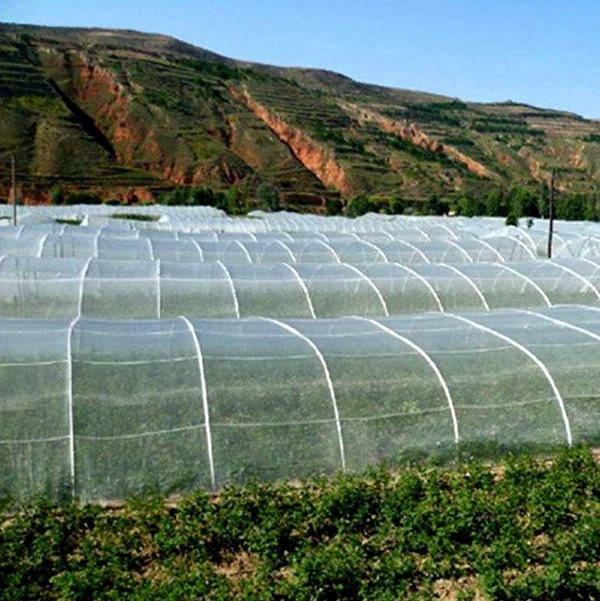
60 Mesh Garden Netting Insect Proof Net for Garden Protection
Material: PE
Mesh size: 1.5*1.5mm
Color: White
Safety and Protection: The 120 mesh PE netting ensures a dense, reliable barrier that provides superior safety in high-risk environments, effectively reducing the chance of accidental falls or entanglements.
Load-Bearing Capacity: With strong tensile strength, the PE netting supports heavy-duty loads without compromising its structure, making it ideal for use in industrial and construction settings.
Durability & Weather Resistance: Crafted from UV-treated polyethylene, this netting is highly resistant to outdoor elements, offering long-lasting durability even under harsh weather conditions.
Stability of Mesh Shape: The tight 120 mesh structure ensures stability and uniformity, preventing sagging or warping, thus maintaining reliable performance over time.
| Feature | Protective Netting (Physical Exclusion) | Chemical Pesticides (Chemical Control) |
|---|---|---|
| Mechanism | Creates a physical barrier to prevent pest access. | Uses toxic substances to kill or repel pests. |
| Selectivity | Highly selective based on mesh size; does not harm non-target species. | Can be broad-spectrum, harming beneficial insects, pollinators, and other wildlife. |
| Resistance | Pests cannot develop “resistance” to a physical barrier. | Pests can evolve resistance over generations, requiring stronger or new chemicals. |
| Environmental Impact | Minimal direct impact; main concern is plastic disposal at end-of-life. | Potential for soil and water contamination, air drift, and harm to the food web. |
| Worker Safety | Poses no chemical exposure risk to farmworkers. | Requires personal protective equipment (PPE) and has strict re-entry intervals. |
| Residue on Produce | Leaves no residue on the final product. | Can leave chemical residues, requiring monitoring and adherence to MRLs. |
Weathering the Storm: Protecting Crops from Hail, Wind, and Frost
A hailstorm that lasts just minutes can wipe out an entire season’s work. Strong winds snap stems, dry out leaves, and knock fruit to the ground before it’s ready. A late spring frost can kill fragile blossoms, leaving no chance for fruit to develop. With a changing climate, these kinds of threats are becoming more frequent—and more severe.
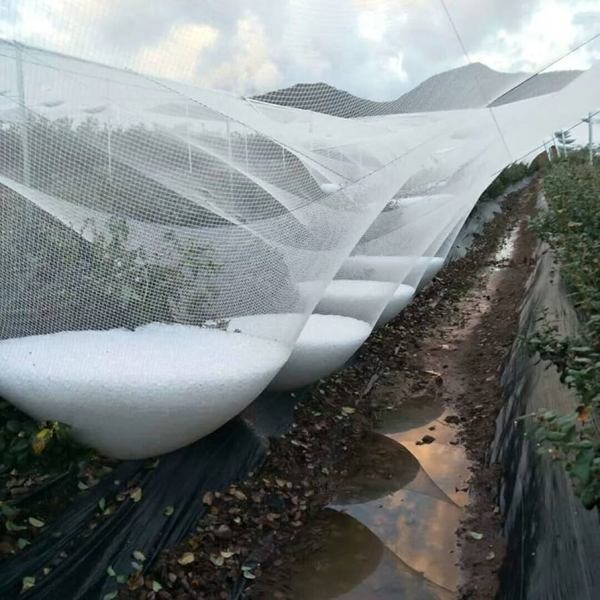
Anti-Tear Storm Safe Orchard HDPE Hail Protection Net
The 4×7mm reinforced mesh structure, crafted from high-tenacity 0.35mm HDPE monofilament, delivers exceptional tear resistance and consistent impact dispersion against hail strikes, ensuring long-term protection for orchards exposed to seasonal storms.
Protective netting offers a practical line of defense. Anti-hail nets, stretched over orchards and vineyards, act like a giant filter. They let in sunlight and rain, while breaking the force of falling hail so it bounces off or shatters on impact. In many cases, preventing just one hailstorm’s damage can offset the entire cost of installation.
Windbreak nets, usually installed vertically, help slow down airflow and create a more stable growing environment. This reduces physical damage to plants, limits soil erosion, and lowers water loss from evaporation and transpiration—helping crops retain moisture more efficiently.
For frost protection, thermal nets can be placed over crops during cold nights. They trap heat released from the soil and plants, keeping temperatures around the foliage just above freezing. Sometimes, that small difference is all it takes to save an entire harvest.
Managing Light and Heat: The Role of Shade Netting
Sunlight powers photosynthesis—but too much of it can do more harm than good. In hotter climates, excessive radiation can lead to heat stress, sunburned fruit, and even reduced photosynthetic performance. Shade netting offers a practical way to manage both the intensity and quality of light reaching crops.
These nets are categorized by their shading factor, or how much light they block. A 30% shade net, for example, works well for sun-loving vegetables that still need protection during peak heat. A 70% net is better suited for shade-preferring plants like ferns.
Color matters, too. Different net colors filter light in distinct ways, influencing how plants grow—a process known as photomorphogenesis.
- Red nets can encourage vegetative growth and, in some cases, increase fruit size.
- Blue nets tend to produce more compact, sturdy plants.
- Pearl or white nets diffuse light more evenly, helping it reach lower leaves and reducing harsh shadows.
With the right combination of density and color, shade netting becomes more than just protection—it becomes a way to guide plant growth in a more controlled, predictable way.
Saving Water by Reducing Evaporation
Water is one of agriculture’s most limited resources, and netting can help stretch it further.
By slowing wind, protective nets reduce how quickly moisture evaporates from both soil and plant surfaces. Shade nets also lower the amount of direct sunlight hitting the ground, keeping soil temperatures down and reducing water loss.
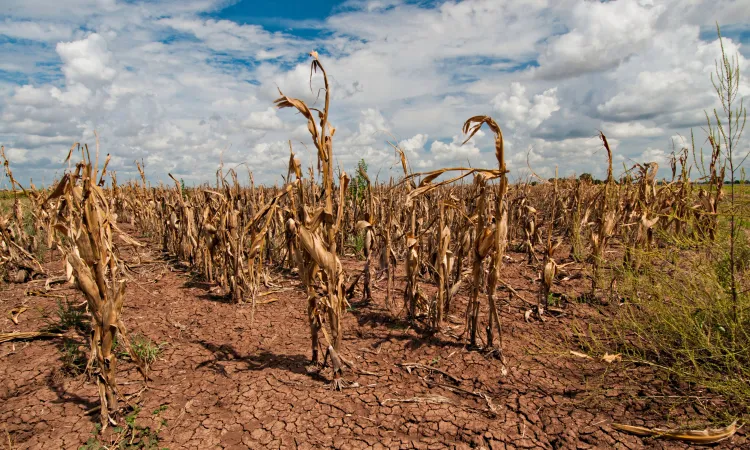
Together, these effects can significantly cut irrigation needs. In dry and semi-arid regions especially, this makes shade netting not just helpful, but essential. It’s a simple intervention that supports more sustainable, water-efficient farming.
| Netting Type | Primary Function | Regenerative/Sustainable Benefit | Target Crops |
|---|---|---|---|
| Insect Netting | Excludes flying and crawling insect pests. | Reduces or eliminates pesticide use; protects pollinators from spray drift. | Vegetables, Soft Fruits, Leafy Greens |
| Bird Netting | Prevents birds from eating or damaging fruit. | Eliminates crop loss without harming birds; ensures economic viability. | Berries, Grapes, Cherries, Apples |
| Anti-Hail Netting | Protects crops from physical damage by hail. | Prevents catastrophic yield loss; improves crop quality and marketability. | Apples, Pears, Grapes, Kiwi, Stone Fruit |
| Shade Netting | Reduces light intensity and temperature. | Prevents sunburn/heat stress; conserves water by reducing evapotranspiration. | Nurseries, Vegetables, Cut Flowers, Ginseng |
| Windbreak Netting | Reduces wind speed in the cropped area. | Prevents physical damage; reduces soil erosion and water loss. | Orchards, Vineyards, Field Vegetables |
| Frost Blankets | Traps ground heat to protect from light frost. | Saves blossoms and young plants from frost kill, ensuring a harvest. | Strawberries, Early Vegetables, Nurseries |
Enhancing Soil Health and Biodiversity with Netting Systems
Regenerative agriculture starts from the ground up. Healthy soil is the foundation of a productive and resilient farm. While protective netting sits above the crops, its impact reaches well below the surface—helping create conditions where soil life can thrive.
Creating a Stable Environment for Soil Life
Soil isn’t just dirt—it’s a living system filled with bacteria, fungi, protozoa, nematodes, and earthworms. Together, these organisms break down organic matter, cycle nutrients, and build soil structure.
Like any ecosystem, they depend on stable conditions. Sudden swings in temperature or moisture can disrupt this balance and reduce microbial activity.
Protective netting helps smooth out those extremes. Shade nets keep soil temperatures from spiking under intense sun, while windbreak and anti-hail systems reduce exposure to harsh weather. At the same time, all types of netting help retain soil moisture by slowing evaporation.
The result is a more consistent, balanced environment—exactly what soil organisms need to stay active and support plant health. Over time, this contributes to stronger nutrient cycling and increased soil carbon, both key to regenerative farming.
Reducing Soil Erosion from Wind and Rain
Topsoil is one of a farm’s most valuable resources—and one of its most vulnerable. It takes years to build, but can be lost quickly through wind or heavy rain.
Strong winds can carry away the finest, most fertile particles. Intense rainfall can dislodge soil and wash it off the field before it has a chance to absorb.
Netting systems help reduce both risks. Windbreak nets slow airflow across the land, limiting the wind’s ability to lift and transport soil. Overhead systems, such as shade or anti-hail nets, soften the impact of rainfall by breaking the force of falling drops.
Instead of hitting the ground hard and causing runoff, water filters through more gently, improving infiltration and reducing soil loss.
By protecting topsoil, netting helps preserve long-term fertility and supports the land’s ability to regenerate.
Supporting Pollinators and Beneficial Insects
One common concern is whether netting might block not just pests, but also beneficial insects like pollinators. In practice, this comes down to how the system is managed.
For pollination-dependent crops—such as apples or squash—netting can be used selectively. Growers often keep nets in place during peak pest periods, then open or remove them during flowering to allow pollinators access.
Some operations take it a step further by introducing managed pollinators, like bumblebees, within the netted area—creating a controlled, protected environment for pollination.
At the same time, reducing reliance on broad-spectrum pesticides makes the entire farm more hospitable to beneficial insects. Natural predators like ladybugs, lacewings, and parasitic wasps can thrive, helping keep pest populations in check.
In this way, netting supports a more balanced ecosystem. Rather than relying solely on chemical control, it becomes part of a broader, integrated approach—where physical protection and natural processes work together.
Economic and Yield Implications of Protective Netting
Adopting any new farming practice ultimately comes down to economics. A farm is both an ecosystem and a business, and investing in protective netting requires a clear understanding of costs and returns. While the upfront investment can be significant, the long-term payoff—both financially and in terms of yield stability—often makes it worthwhile.
Upfront Costs vs. Long-Term Value
Installing a netting system does require capital. Costs typically include the netting itself, support structures like poles and wires, and installation labor. The total varies depending on crop type, field size, and terrain.
That said, netting is best viewed as long-term infrastructure—similar to irrigation or storage facilities—rather than a short-term expense.
The return on investment shows up in several ways:
- Loss prevention
The most immediate benefit is protection against major crop loss. A single hailstorm, pest outbreak, or bird event can wipe out an entire harvest. Netting acts as a reliable safeguard, and in some cases, one saved season can cover the full cost of the system. - Lower operating costs
Over time, reduced reliance on pesticides and irrigation adds up. Fewer spray applications mean savings on chemicals, labor, and fuel. Improved moisture retention reduces water use and associated costs. - Stronger, more predictable yields
By reducing environmental stress and damage, netting helps stabilize production year after year.
Spread over its lifespan—often 10 to 15 years or more—the annual cost becomes relatively small compared to the value it protects and the expenses it helps avoid.
Improving Crop Quality and Market Value
Beyond protecting yield, netting can significantly improve crop quality—and that has a direct impact on revenue.
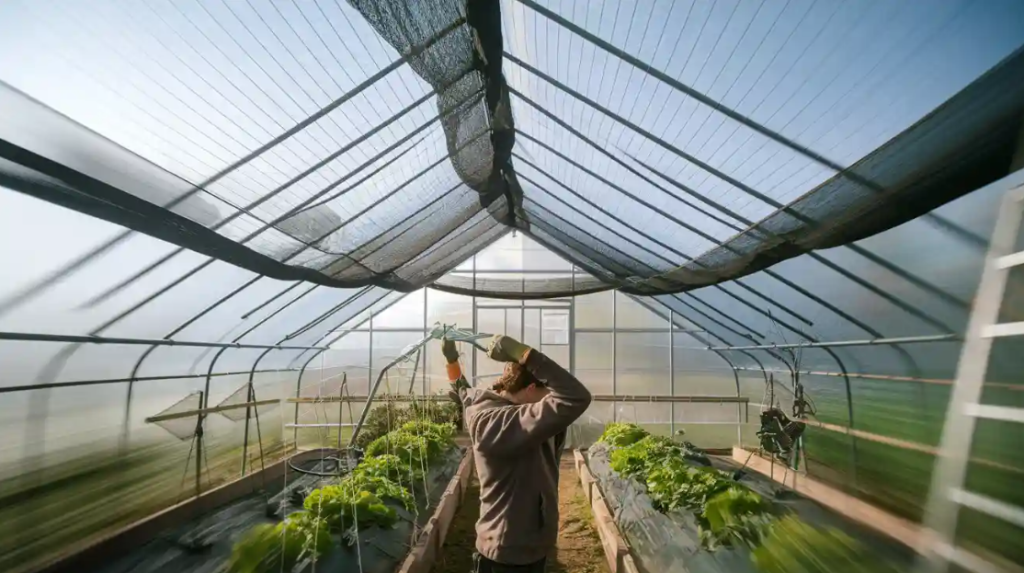
Produce that reaches market without blemishes, pest damage, or sunburn is more attractive and commands higher prices. In many cases, netting helps shift more of the harvest into premium-grade categories.
For example:
- Apples and pears benefit from anti-hail protection, avoiding bruising and surface damage that reduce market value.
- Leafy greens stay cleaner and intact when protected from insects, improving both appearance and shelf life.
- Berries and cherries see higher percentages of undamaged fruit when protected from birds.
- Peppers and tomatoes avoid sunscald, which can otherwise make fruit unsellable.
These improvements show up in what growers call the pack-out rate—the share of harvested crops that meet market standards. Even a modest increase can have a meaningful impact. Moving from 70% to 90% marketable yield, for instance, means significantly more top-grade product from the same field.
Case Study: A Vineyard’s Shift to Hail Netting in Italy
Consider a vineyard in Italy’s Piedmont region, known for its Nebbiolo grapes. In recent years, summer hailstorms here have become more frequent—and more destructive. For a grower managing 10 hectares of high-value vines, a major hail event every few years can mean losing up to 70–80% of the crop, along with lasting damage to the vines themselves.
Faced with this risk, the grower decides to install an anti-hail netting system. The upfront investment is substantial—around €30,000 per hectare—but it’s a long-term decision.
A few years later, a severe hailstorm hits the region. Nearby vineyards without protection suffer heavy losses. Under the nets, however, the grapes remain largely intact. The harvest goes ahead as planned, and the vintage is preserved.
In that single season, the avoided losses account for a large share of the system’s total cost. Over the following years, the nets continue to prove their value—protecting against additional storms, reducing wind damage, and supporting more consistent vine growth and fruit ripening. What started as a major expense becomes a clear economic advantage.
Reducing Risk, Increasing Predictability
Beyond direct savings, one of the biggest benefits of netting is consistency.
Farming will always involve uncertainty, but protective netting helps remove some of the most damaging variables. With fewer losses from weather and pests, growers can operate with greater confidence that their crops will reach market in good condition.
That stability carries through the entire business. It makes financial planning more reliable, improves access to financing, and builds stronger relationships with buyers who depend on consistent supply.
Just as importantly, it creates room for longer-term thinking. When growers know their crops are better protected, they’re more willing to invest in soil health and regenerative practices—because the risk of losing everything in a single event is no longer hanging over every season.
Selecting the Right Netting for Your Agricultural Needs
Once the benefits of protective netting are clear, the next step is choosing the right system. There’s no one-size-fits-all solution—what works depends on your crop, your environment, and what you’re trying to protect against.
Getting it right means understanding how material, mesh size, color, and structure all work together.
Material Matters: Why HDPE Leads the Way
Most agricultural netting today is made from high-density polyethylene (HDPE)—and for good reason. It’s lightweight yet strong, resistant to rot and mildew, and, when treated properly, holds up well under long-term sun exposure.
That UV stability is key. A well-made HDPE net can last for years in the field without becoming brittle or breaking down.
Other materials do exist. Nylon, for example, is extremely strong and used in heavy-duty applications. Polypropylene is lighter and often used for temporary covers. But for most long-term crop protection systems, HDPE strikes the best balance between durability, lifespan, and cost.
Mesh Size: Matching Protection to the Threat
Mesh size is one of the most important decisions you’ll make. It determines what gets through—and what doesn’t.
- Bird netting typically uses a larger mesh (around 15–25 mm), enough to keep birds out while maintaining airflow and light.
- Anti-hail netting uses a tighter, structured weave designed to stop hail without adding excessive weight.
- Insect netting requires more precision. Very fine mesh is needed for small pests like thrips, while larger openings may be enough for insects like fruit flies.
There’s always a trade-off. Finer mesh offers better protection, but it can also reduce airflow and increase temperature and humidity. The key is to prioritize the main threat and choose accordingly.
How Net Color Influences Plant Growth
Net color isn’t just about appearance—it directly affects how light reaches your crops.
- Black nets are the most common. They reduce overall light intensity without significantly changing its composition and tend to be highly durable.
- White or pearl nets diffuse light, spreading it more evenly across the canopy. This helps light reach lower leaves and can create a cooler growing environment.
- Colored (photo-selective) nets—such as red, blue, or yellow—alter specific wavelengths of light. These are often used in high-value crops to influence plant shape and growth patterns. For example, red can promote leaf and fruit development, while blue can encourage more compact growth.
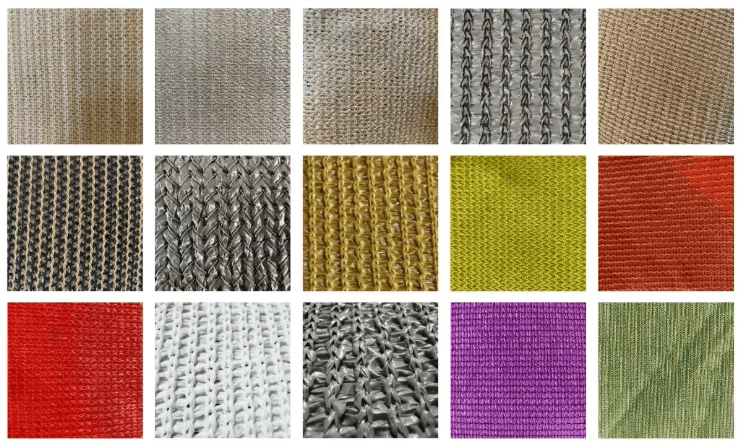
Choosing the right color depends on whether your goal is simply protection—or more active control over plant development.
Don’t Overlook Structure and Installation
The net itself is only part of the system. Just as important is the structure that supports it.
Depending on the crop and scale, this can range from simple hoop tunnels for berries to large, permanent frameworks covering entire orchards. These structures need to handle wind, rain, and, in some cases, the added weight of hail.
Proper anchoring is critical. Without it, the entire system can become vulnerable in extreme weather.
Because of this, many growers choose to work with experienced suppliers or installers. A well-designed system isn’t just about materials—it’s about making sure everything works together safely and effectively over the long term.
Integrating Netting into a Holistic Regenerative System
Protective netting works best when it’s not treated as a standalone fix, but as part of a broader farming system. Its real value lies in creating a more stable environment—one where other regenerative practices can perform at their best.
Working Alongside Cover Crops and No-Till
Practices like no-till and cover cropping are central to regenerative agriculture. They protect soil, build organic matter, and support soil life—but they can be harder to implement under pressure from pests or harsh conditions.
This is where netting helps.
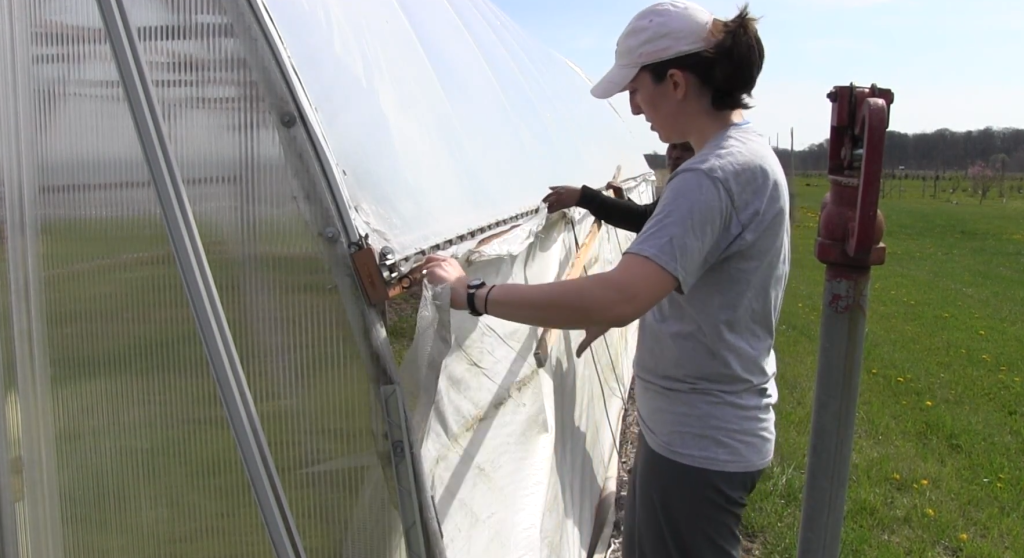
For example, a grower might hesitate to adopt no-till in a field with heavy insect pressure. Insect netting removes that risk, making it easier to transition to soil-building practices. Similarly, windbreak nets can help cover crops establish in exposed areas by reducing wind stress and moisture loss.
In this way, netting and soil practices reinforce each other: the net creates protection, and the plants improve the soil.
Agroforestry: Supporting Long-Term Systems
Agroforestry—integrating trees with crops or livestock—offers long-term benefits like carbon storage, biodiversity, and natural wind protection. But getting those systems established takes time.
Young trees, in particular, are vulnerable to animals and weather. Netting or tree guards can protect them during their early years.
On a larger scale, netting can also support mixed systems. For example, berry crops grown between rows of trees can be protected under a shared net structure. This allows growers to generate income from the short-term crop while the trees mature—building a layered, more resilient system over time.
Protecting Livestock in Regenerative Systems
Bringing animals back into the system is another key part of regenerative agriculture. Managed grazing improves soil fertility and helps control weeds—but it also introduces new challenges.
For poultry especially, predation is a major concern.
Mobile or fixed netting systems can provide protection while still allowing animals to roam. In higher-value operations, overhead netting can create fully enclosed paddocks, shielding birds from predators while preserving their ability to forage naturally.
This approach supports both animal welfare and the ecological role livestock play on the farm.
Netting in Urban and Controlled Environments
Regenerative principles aren’t limited to rural farms. They’re increasingly applied in urban agriculture, rooftop gardens, and vertical farming.
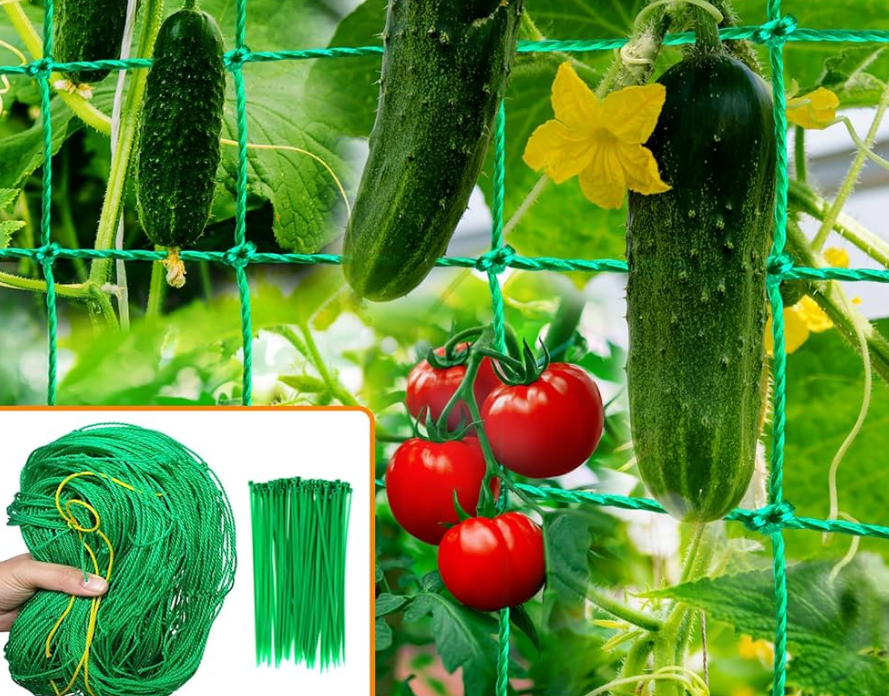
In these settings, netting often plays a critical role.
Windbreak nets can make rooftop growing viable by reducing exposure. Insect netting is essential for pesticide-free indoor systems. Shade nets help manage intense sunlight in dense urban environments.
In many cases, non-chemical solutions aren’t just preferred—they’re required. Netting becomes a foundational tool that makes these systems possible.
Challenges and What’s Next
While netting offers clear benefits, it also comes with trade-offs—particularly around materials and sustainability.
The Plastic Challenge
Most netting is made from durable plastics like HDPE. That durability is an advantage in the field, but it creates a problem at the end of its life.
Used agricultural plastics can be difficult to recycle, especially when contaminated with soil or organic matter. Too often, they end up in landfills.
That’s starting to change. More recycling programs are emerging, along with take-back initiatives from manufacturers. Some companies are also designing products with recycling in mind from the outset.
For growers, choosing suppliers who address this issue is an important step toward more sustainable use.
New Materials on the Horizon
There’s growing interest in bio-based and biodegradable alternatives.
Materials like PLA (derived from plant sources) are being tested, though they don’t yet match the durability and UV resistance of traditional plastics. Other approaches focus on polymers that can break down in soil over time.
The challenge is finding the balance: materials that are strong enough to last for years, but capable of breaking down safely afterward.
While we’re not fully there yet, progress is steady—and promising.
Toward Smarter Netting Systems
The next step isn’t just better materials—it’s better data.
“Smart” netting systems are beginning to integrate sensors that monitor temperature, humidity, and wind conditions in real time. This opens the door to more precise farm management.
With the right setup, growers could:
- Adjust irrigation based on real-time soil moisture
- Control shading dynamically as conditions change
- Track pest activity more accurately
Combining physical protection with data-driven decisions allows for greater efficiency—and more responsive farming overall.
Frequently Asked Questions
How long does netting typically last?
High-quality HDPE nets usually last 8–15 years, depending on UV exposure and conditions. Lighter insect nets may last 3–7 years.
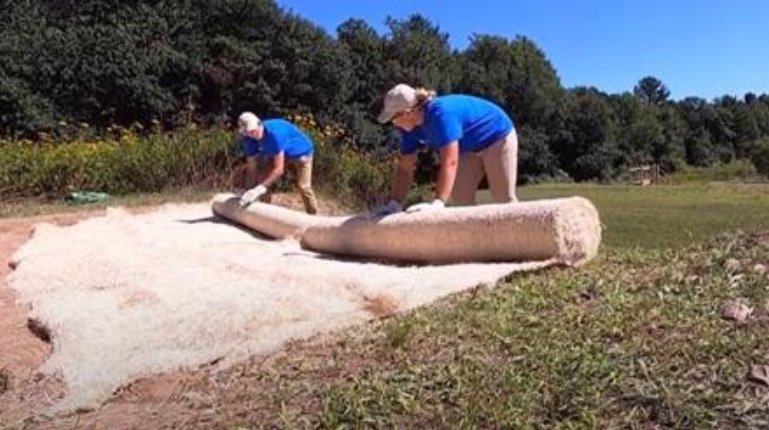
Is the installation complicated?
Small setups can be DIY-friendly. Larger systems covering orchards or vineyards typically require professional design and installation.
Will netting reduce too much sunlight?
Not if chosen correctly. Different nets are designed for specific light levels, and in many cases, partial shading actually improves plant performance in hot climates.
Can netting be recycled?
Yes, but it depends on access to specialized recycling facilities. Many suppliers can help connect growers to programs.
Does netting affect airflow?
Yes—especially fine insect nets. Proper design and ventilation are important to avoid excess heat or humidity buildup.
Is bird netting safe for wildlife?
When properly installed and kept taut, it acts as a barrier rather than a trap, and birds will avoid it.
Can one net do everything?
Sometimes—but often with trade-offs. It’s usually more effective to choose a net designed for your primary need.
Final
Protective netting is more than just a barrier—it’s a way to shape the growing environment.
Reducing exposure to extreme weather and pests, it creates the stability needed for crops, soil, and ecosystems to thrive. This stability also reduces reliance on chemical inputs and excessive water use, making farming both more efficient and more sustainable.
Perhaps just as importantly, it gives growers confidence. When risk is reduced, it becomes easier to invest in long-term practices like building soil health and increasing biodiversity.
There are still challenges to address—especially around materials and end-of-life use—but the direction is clear. As technology improves and systems evolve, netting will play an increasingly important role in farms that aim not just to produce, but to regenerate.

Read our most popular articles.
👉 Download our free product categories
👉 The Ultimate Guide to Installing Anti-Insect Nets in Greenhouses
👉 Anti-Insect Nets vs. Chemical Pesticides — A 3-Point Health and Yield Comparison
👉 Practical Buyer’s Guide: HDPE vs. Nylon: A Material Showdown for Garden Netting
👉 The Ultimate Guide To Choosing Garden Netting: Pest, Material, and Crop Considerations
👉 How to Start a Private Label Netting Business: A 5-Step Framework for Work
👉 The Chinese Manufacturing vs. Local Suppliers: A Netting Buyer’s Guide