
Proyectos de redes a medida require more than standard mesh and standard sizes. For sports facilities, agricultural operations, construction safety systems, industrial protection, and cargo restraint applications, performance often depends on a netting solution built for the exact environment and use case.

This guide explains our custom netting process from consultation and material selection to manufacturing, quality control, packaging, and delivery. It shows how a custom netting manufacturer turns project requirements into durable, made-to-order netting systems that are ready for installation and built for real-world use.
Principales conclusiones
- Start with a detailed consultation to turn your project requirements into clear technical specifications.
- Choose the right netting material, such as HDPE or Nylon, based on environmental exposure and strength requirements.
- Understand how twine construction and net type—knotted or knotless—affect overall performance.
- Made to Order: A Look at Our Custom Netting Process depends on quality checks at every stage of production.
- Finishing details, including rope borders and hardware, are essential to durability and installation efficiency.
- Clear dimensions and intended-use information are critical to achieving an accurate and effective final product.
What Is Made to Order Netting?
At its core, custom manufacturing reflects a simple but important idea: standard products do not solve every problem well. In many industries, off-the-shelf netting is sufficient for general use. But in aplicaciones where dimensions, load conditions, installation methods, or operating environments are more specific, a standard product may be only a partial fit. Made to Order: A Look at Our Custom Netting Process exists to address those situations, where performance depends on a solution built for the actual application rather than adapted from a generic format.

This applies across a wide range of use cases. A custom netting project may involve professional sports facilities, agricultural operations, construction safety systems, cargo restraint, aquaculture, or industrial protection. In each case, the practical demands are different. The value of custom netting lies in its ability to meet those demands with precision.
Why Custom Netting Solutions Matter Beyond Off-the-Shelf Products
A standard product may be acceptable in simple conditions. But when the installation area, operating environment, or performance requirement becomes more complex, the limitations of a stock solution become obvious.
Consider a baseball field in a constrained urban setting where one side of the backstop must follow an unusual curve to accommodate a walkway. Or consider a vertical farming project that requires non-standard net dimensions and specific mesh openings to manage both light exposure and pest control. In cases like these, a standard net is not just inconvenient. It is often functionally inadequate.
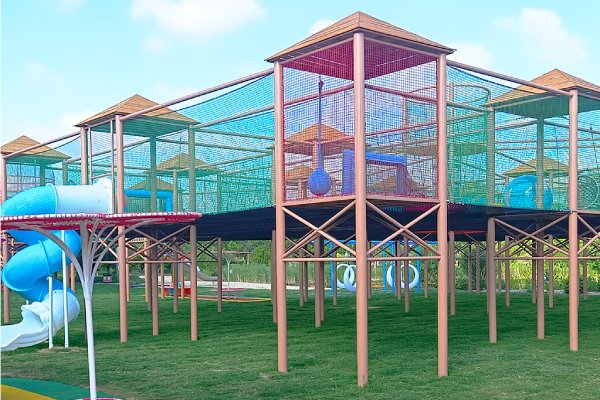
This is where customization becomes essential. Instead of searching for the closest available option, the goal becomes creating the right solution for the actual conditions. That is the principle behind Made to Order: A Look at Our Custom Netting Process. It is a collaborative process designed to produce a netting system that fits its intended environment, supports the required function, and performs more effectively than a generic alternative could.
From OEM Adjustments to Full ODM Custom Netting Design
Customization is not a single fixed model. It can range from straightforward product modifications to fully collaborative design development.
At one end of the spectrum is what the manufacturing industry typically refers to as OEM, or Original Equipment Manufacturer service. In this arrangement, the client already has a clear product concept or finished specification and needs a manufacturer capable of producing it accurately. That may involve something relatively simple, such as manufacturing a standard cargo net design with a specific color, hardware set, or brand identity.

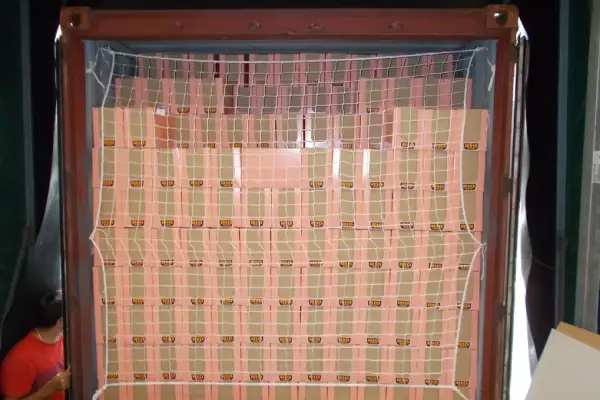
At the other end is ODM, or Original Design Manufacturer service. This is a more consultative process. In this model, the client may come with an application challenge rather than a finished design. For example, a logistics operator may need an internal partitioning net for delivery vehicles to reduce cargo shift during transport, but may not yet know the ideal material, mesh size, or construction type. In that case, the manufacturer contributes design and engineering input, helping develop the solution from the ground up.
Made to Order: A Look at Our Custom Netting Process covers this full range. It can involve adapting an existing design or creating an entirely new netting system around a specific operational need.
The Role of a Custom Netting Manufacturer
A capable fabricante de mallas a medida does more than produce a product. The manufacturer acts as a technical partner throughout the process. That requires more than production capacity alone. It calls for a combination of material knowledge, engineering judgment, and application-specific experience.
The manufacturer must understand the performance differences between polymers, including which materials are better suited for high-UV environments, marine exposure, abrasion-heavy use, or dynamic loading. It must also understand structural behavior, including how mesh size, twine diameter, and construction type affect strength, flexibility, and durability. Just as important, it must understand the actual working conditions of the end use. A backstop net for lacrosse, for example, is exposed to very different forces and wear patterns than construction debris netting or malla antipájaros agrícola.

That is why the custom process works best as a partnership. The manufacturer’s role is not simply to accept dimensions and ship a product. It is to help define the correct solution for the application so the final specification performs as intended in the field.
Step 1: Consultation and Project Requirements Analysis
Every successful custom project starts with a conversation. Before materials are selected or machines begin production, the project must be clearly defined. This early consultation stage is one of the most important parts of Made to Order: A Look at Our Custom Netting Process, because it establishes the technical foundation for everything that follows.
A product can be manufactured accurately and still fail if the original requirements were not properly understood. The purpose of the consultation is therefore not only to collect information, but to translate the client’s goals into a workable and technically sound specification.
Defining the Application: The Client’s Vision
Before contacting a manufacturer, it helps if the client first clarifies the basic requirements of the project. The more clearly the need is defined, the more efficient and accurate the consultation will be.
Several questions are especially important:
Purpose
What is the net intended to do? The answer shapes nearly every other decision. A net designed to stop high-velocity golf balls or hockey pucks has very different requirements from one designed to shade crops, contain bulk material, or protect workers on a construction site.
Environment
Where will the net be used? Outdoor installations exposed to intense sunlight require strong UV resistance. Marine applications may require corrosion resistance and low water absorption. Other environments may involve chemicals, moisture, temperature variation, or indoor fire-safety considerations. Environmental exposure plays a major role in material selection.
Dimensions
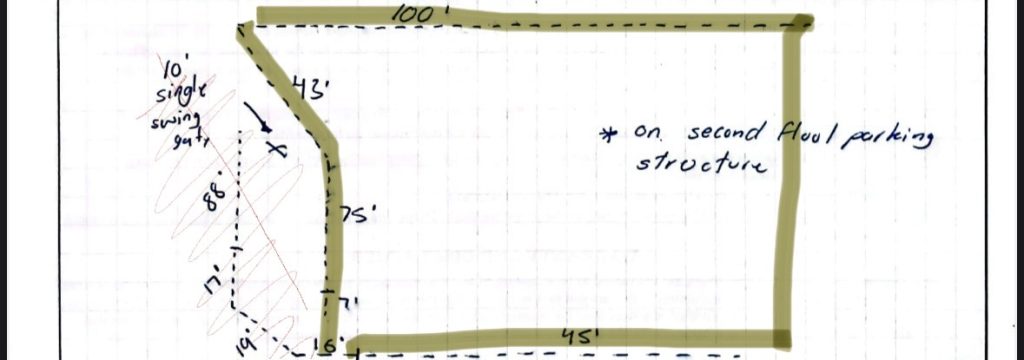
What area must the net cover? Accurate height, width, and depth measurements are essential. Mounting method also matters, since attachment points and installation tension can affect the final required size.
Load Requirements
What forces will the net need to withstand? This may involve repeated projectile impact, suspended material load, restraint tension, or worker safety requirements. Understanding the expected load helps determine the appropriate twine thickness, material type, and construction style.
When clients think through these points in advance, they come into the consultation with a clearer problem statement rather than just a rough request. That leads to faster decisions and a more reliable final specification.
Turning Project Needs Into Netting Specifications
Once the client has explained the application, the manufacturer’s role is to convert that information into a set of practical production requirements. This is where technical consultation becomes especially valuable. The right questions help turn a general need into a manufacturable solution.
Mesh Size
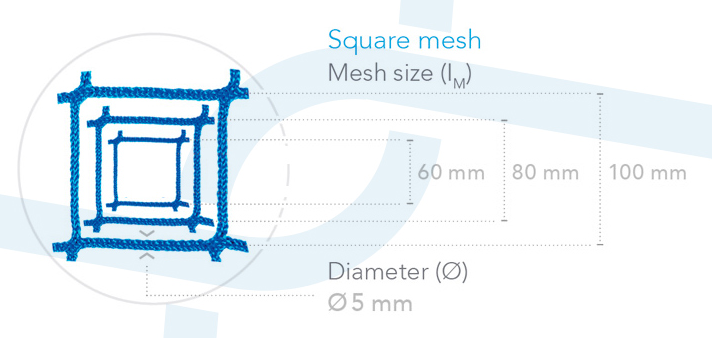
If the purpose is containment or exclusion, mesh opening is critical. A golf ball, for example, requires a mesh size smaller than the ball’s diameter. Agricultural netting may need to exclude a specific bird or pest. In regulated industries such as fishing, mesh size may also be controlled by legal requirements. The manufacturer helps determine the correct opening based on the actual use case.
Twine Thickness
Twine diameter is one of the main factors affecting overall strength and durability. Thicker twine generally provides greater strength, but it may also increase weight, reduce visibility through the net, or affect cost. The specification must balance performance needs with practical considerations.
Material Selection
The manufacturer may ask whether the client has a preferred material, but the final recommendation should be based on performance requirements rather than preference alone. This is where trade-offs between Nylon, HDPE, Polyester, or other materials are discussed in practical terms.
Finishing Requirements
How will the net be installed? This question determines what type of edge treatment, border, and hardware will be required. The answer may involve rope-reinforced edges, vinyl or webbing borders, grommets, clips, hooks, or other attachment features needed for immediate installation upon delivery.
This part of the process is essential because it prevents vague requirements from turning into production mistakes. A well-run consultation turns an idea into a full technical specification that can be executed with confidence.
Creating the Initial Design Blueprint
The consultation stage ends with a formal design document. Depending on the project, this may be a technical specification sheet, a dimensional drawing, or a CAD file. This document becomes the production blueprint for the order.
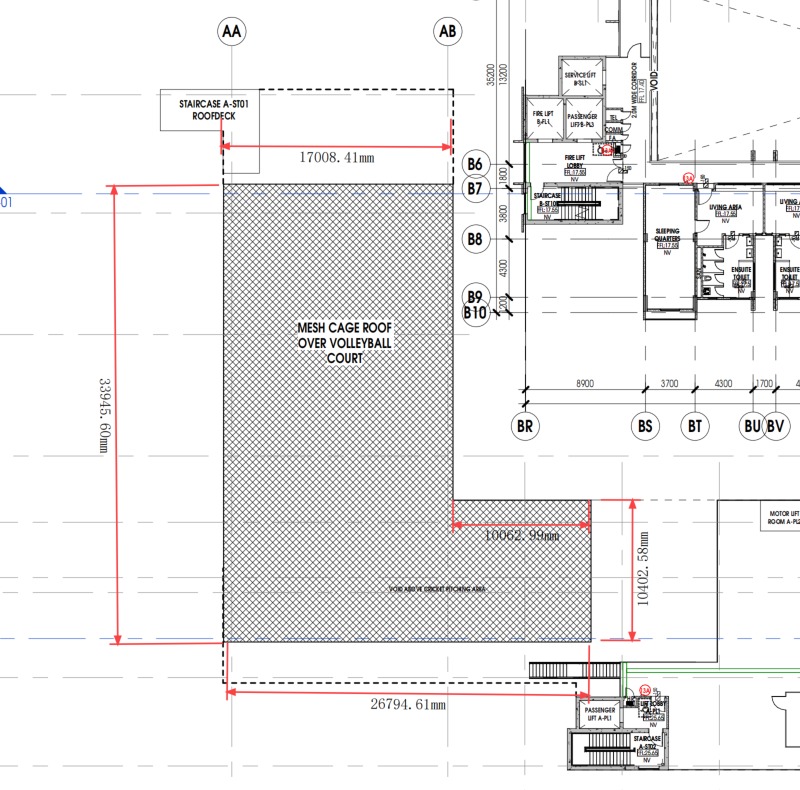
It records all key decisions made during consultation, including dimensions, material type, twine construction, mesh size, border style, hardware details, spacing requirements, and any special treatment or finishing instructions.
Just as importantly, it gives both the client and the manufacturer a single confirmed reference before production begins. That alignment is critical. It reduces the chance of misunderstanding, creates accountability on both sides, and ensures the project moves into manufacturing with a clear and shared definition of success.
Step 2: Material Selection in the Custom Netting Process
Once the initial blueprint is confirmed, attention turns to the physical substance of the net itself. Material selection is not a secondary detail. It is one of the main factors that determines performance, service life, and suitability for the application. A poorly chosen material can fail prematurely because of UV exposure, moisture, chemicals, abrasion, or repeated mechanical stress. That is why Made to Order: A Look at Our Custom Netting Process includes a careful material selection stage, where the polymer must be matched to the demands of the environment and the job.
This decision is grounded in material science. The goal is not simply to choose a strong material, but to choose the right one for the actual operating conditions.
Comparing HDPE, Nylon, Polyester, and Polypropylene Netting Materials
Several synthetic polymers are widely used in netting because of their performance characteristics. The most common include High-Density Polyethylene (HDPE), Nylon (Polyamide), Polyester (PET), and Polypropylene (PP). Each material has strengths and limitations, and no single option is ideal for every application.
| Característica | Polietileno de alta densidad (HDPE) | Nylon (Polyamide) | Polyester (PET) | Polipropileno (PP) |
|---|---|---|---|---|
| Resistencia a la tracción | Bien | Excelente | Excelente | Moderado |
| Resistencia UV | Excelente | Fair (improves with treatment) | Muy buena | Poor (requires significant stabilizers) |
| Resistencia a la abrasión | Bien | Excelente | Muy buena | Bien |
| Absorción de agua | Very Low (<0.1%) | Alta (hasta 10%) | Low (<1%) | Very Low (<0.1%) |
| Resistencia química | Excelente | Bien | Bien | Excelente |
| Coste | Bajo a moderado | Alta | Moderado | Bajo |
| Lo mejor para | Outdoor use, agriculture, shade | High-impact sports, heavy lifting | General outdoor, marine use | Lightweight, disposable, water use |
As this comparison shows, material selection is always application-specific. HDPE is often the preferred option for long-term outdoor use because of its strong UV resistance and very low water absorption. That makes it well suited to agricultural bird netting, shade netting, and outdoor barrier systems.
Nylon is often the best option where high tensile strength and abrasion resistance are critical. It is commonly used in high-impact applications such as baseball backstops, industrial lifting systems, and other heavy-duty netting environments. However, Nylon also absorbs moisture and is more vulnerable to UV exposure unless it is treated appropriately.
Polyester offers a balanced profile and is often selected when dimensional stability and outdoor performance are both important. Polypropylene is lightweight and floats, which can be useful in some marine or temporary applications, but its relatively poor UV resistance makes it less suitable for long-term outdoor exposure unless it is heavily stabilized.
The key point is that there is no universal “best” netting material. The right choice depends on how and where the net will be used.
Twisted vs. Braided Twine Construction
Beyond polymer selection, twine construction also has a major influence on performance. Two common construction methods are twisted twine and braided twine.
Twisted twine is made by twisting multiple strands together in one direction. It is relatively straightforward to manufacture, which makes it a cost-effective option. For many static applications, such as agricultural netting or general barrier systems, twisted twine performs well and offers a practical balance of function and cost.
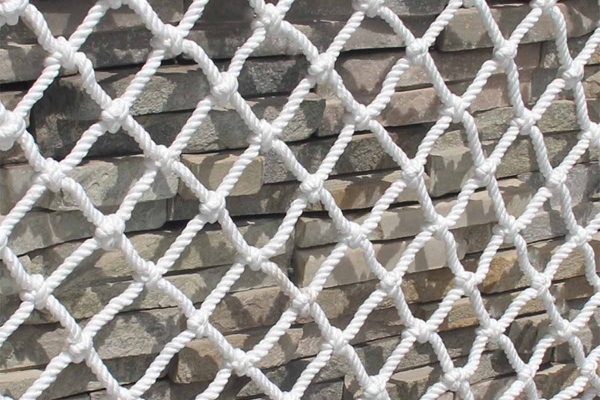
Braided twine is produced by interweaving strands in a more complex pattern. This construction process takes more time and typically costs more, but it produces a rounder, smoother, and often stronger twine. Braided twine usually offers better abrasion resistance than twisted twine of the same size and material because the load is distributed more evenly across the interlocked structure. It is also less likely to snag or fray in demanding applications.

For that reason, braided twine is often selected for higher-wear or more dynamic environments, including some sports applications, commercial fishing systems, or netting with heavily loaded perimeter edges. Twisted twine remains a strong practical choice in many applications, but braided construction becomes valuable when service conditions are more demanding.
Coatings and Treatments for Custom Netting Performance
Material performance can often be improved further through coatings and specialized treatments. These treatments are not cosmetic. They are functional modifications that can significantly improve service life and environmental resistance.
UV Inhibitors
Some polymers, such as HDPE, already perform well in outdoor UV exposure. Others, such as Nylon and Polypropylene, benefit substantially from UV stabilizers or UV-resistant coatings. These treatments help protect the polymer chains from breakdown caused by sunlight. Without sufficient UV protection, the net can become brittle, lose strength, and fail far earlier than expected.
Bonding Agents
Certain coatings, including tar-based or proprietary bonding treatments, are commonly applied to some types of netting, especially Nylon. These treatments can help lock knots in place, improve abrasion resistance, reduce water absorption, and add a degree of UV protection. This is one reason tarred Nylon is often used in commercial fishing and professional sports netting, where durability under repeated stress is essential.
Fire Retardants
In some indoor environments, especially public venues such as arenas, gymnasiums, or theaters, fire-retardant performance may be required by code or project specification. In these cases, the netting may be treated during or after manufacturing with a fire-retardant chemical system to meet the relevant safety requirement.
These treatments are a good example of why custom netting offers more value than standard stock product in many projects. They allow the material system to be adjusted for the actual operating environment rather than relying on a generic baseline specification.
Step 3: Manufacturing Made to Order Netting
Once the design and material system have been confirmed, the project moves into production. This is the stage where specifications become a physical product. Made to Order: A Look at Our Custom Netting Process combines established netting techniques with modern manufacturing control to ensure the final structure matches the intended application.
The manufacturing stage is not just about producing mesh. It is about creating the right structure, the right dimensions, and the right finishing details so the net performs correctly in service.
Knotted vs. Knotless Netting Construction
One of the most important structural choices in netting production is whether the final product will be knotted or knotless. Each method has distinct manufacturing characteristics and different practical advantages.
Malla anudada
Knotted netting is the more traditional construction method. In this system, vertical and horizontal twines are tied together at each intersection with a knot. One of its main advantages is mesh stability. Because the intersections are fixed, the openings remain more consistent under load and after repair. That can make knotted construction a strong choice for applications where maintaining mesh geometry is especially important.
Knotted netting is often used in commercial fishing, heavy-duty cargo restraint, and some backstop applications. However, the knot itself can also become a stress concentration point, and depending on the design, it may reduce effective strength at that location.
Red sin nudos
Knotless netting is produced by interlocking the twines without tying knots at each crossing point. This method generally creates a smoother and flatter surface. In many sports applications, that smoother surface is beneficial because it reduces erratic ball rebound and minimizes abrasion. Knotless construction can also provide a strong strength-to-weight ratio, since material is not concentrated into knot bulk.
It is commonly used in sports goals, some personnel safety applications, and aquaculture systems. However, depending on the design and load condition, knotless netting may be more susceptible to mesh distortion under certain stresses than a knotted structure.
| Característica | Malla anudada | Red sin nudos |
|---|---|---|
| Proceso de fabricación | Twines are tied with knots at each intersection | Twines are woven in an interlocking pattern |
| Mesh Stability | Excellent; knots prevent twine slippage | Good; can show some distortion under load |
| Surface Profile | Raised and irregular because of knots | Smooth and flat |
| Fuerza | Knot can become a localized weak point | Often higher strength-to-weight ratio |
| Repairability | Easier to repair by re-tying sections | Often harder to repair; patching may be needed |
| Aplicaciones comunes | Commercial fishing, cargo restraint, backstops | Sports goals, personnel safety, aquaculture pens |
The right choice depends on the intended use. In custom netting, this is not a style preference. It is a structural decision tied directly to performance.
Precision Cutting and Sizing in Custom Netting Production
Netting is typically manufactured in large master rolls before it is cut to the customer’s required dimensions. That cutting process must be precise, especially in custom projects where installation depends on an exact fit.
For synthetic materials such as Nylon or Polyester, cutting is often done with thermal or ultrasonic tools. These tools do more than cut. They also seal the edges by melting the fiber ends, which helps prevent unraveling and fraying. For more complex patterns or larger-scale custom work, computer-guided cutting systems may be used to follow CAD-based dimensions accurately.
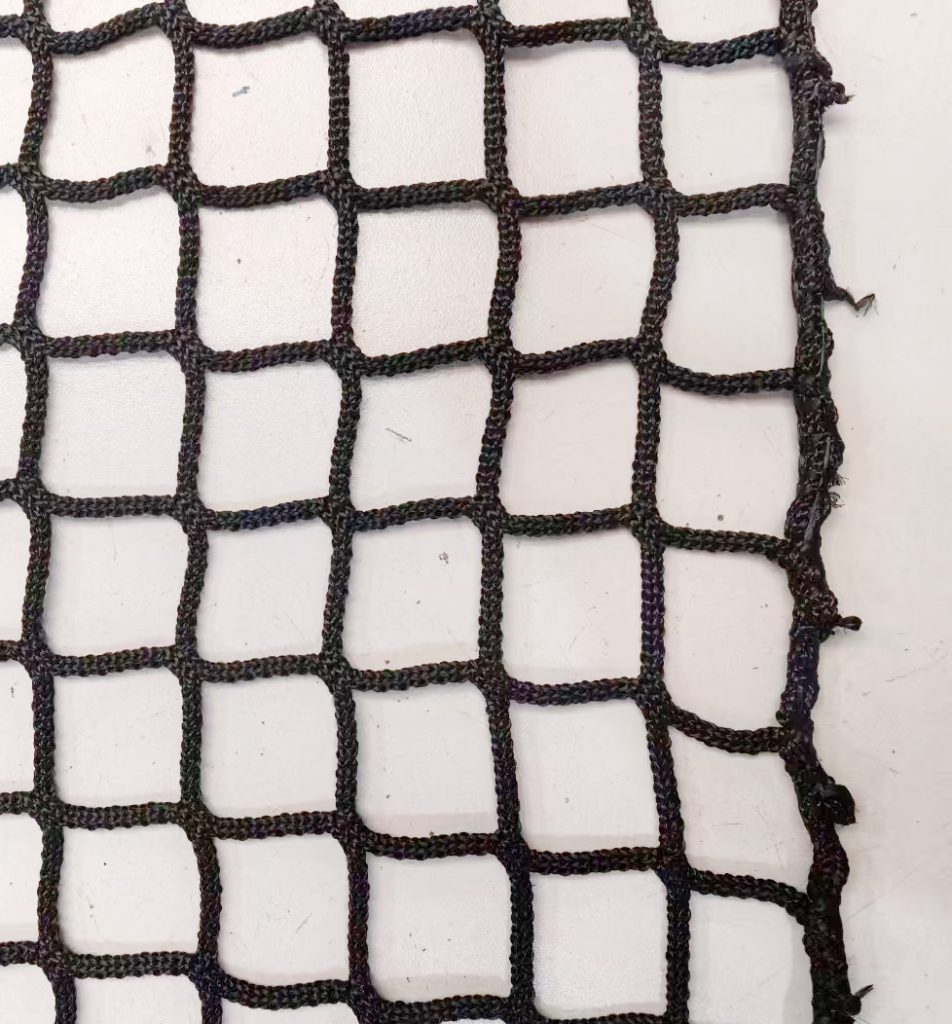
This level of precision matters. A net designed for a specific opening or installation frame must match the ordered size closely. Even small dimensional errors can create installation difficulty, affect tension, or compromise the final appearance and function.
Finishing Custom Netting With Borders, Ropes, and Hardware
A cut piece of mesh is rarely the finished product. In most projects, the net must still go through a finishing stage before it is ready for installation. This is where the product becomes a complete system rather than just a net panel.
Borders
The perimeter of a net is usually the area most exposed to wear, tension, and handling stress. That is why reinforced edging is often necessary.
A common solution is a rope border, where a heavier rope is woven through the outer mesh and often stitched in place. This creates a stronger edge for attachment and load distribution. In other cases, a webbing border or vinyl border may be used to create a more finished appearance or provide a solid edge for added hardware.
Hardware
Once the border is complete, installation hardware can be added. This may include grommets, clips, hooks, carabiners, or custom attachment systems depending on how the net will be mounted in the field. Grommet spacing, hardware location, and attachment style are often defined during the consultation stage, because they directly affect installation efficiency and final fit.
These finishing details are highly application-specific. They are also one of the main reasons custom netting performs better in the field than an unmodified stock alternative.
Step 4: Quality Control in the Custom Netting Process
Quality in custom netting manufacturing is not something checked only at the end. It has to be built into the process from start to finish. A final inspection alone is not enough. Reliable quality assurance depends on a system of checks that begins with raw materials and continues through production, finishing, and packaging. That is how Made to Order: A Look at Our Custom Netting Process ensures that the finished product not only matches the approved blueprint, but also meets the required standards for strength, durability, and workmanship.
The purpose of this stage is simple: to verify that performance on paper becomes performance in the finished product.
In-Process Inspections at Every Production Stage
Strong quality control starts before the net itself is fully formed. It depends on a series of checkpoints designed to identify problems early, before they affect the final product.
Raw Material Verification
When polymer resin or finished twine arrives at the facility, it should not be accepted without verification. Samples are typically checked to confirm the required material grade, twine diameter, and strength performance. Even a small deviation in twine specification can affect the overall strength and durability of the finished net.

Production Monitoring
During knotting, weaving, or knitting, both machine control systems and production personnel monitor output continuously. They check for dropped stitches, knot inconsistencies, mesh distortion, and other defects that may develop during production. Mesh openings may also be measured at multiple points to confirm consistency across the roll. If output shifts outside tolerance, adjustments are made immediately before the issue carries further into the process.
Post-Production Checks
After a master roll is produced, it often goes through another inspection before it is cut into final dimensions. At this stage, technicians may visually inspect the roll for broken twines, irregular mesh structure, or other flaws that were not obvious during live production. This step adds another layer of protection against quality escape.
This approach is one of the key strengths of a disciplined custom manufacturing process. Quality is not inspected in at the end. It is controlled throughout production.
Final Product Testing and Specification Verification
Once the net has been cut, bordered, and fully finished, it enters final inspection. At this stage, the completed product is checked directly against the approved design document.
Dimensional Verification
The finished net is laid out and measured to confirm that all dimensions match the order. For rectangular nets, diagonal measurements may also be checked to ensure the panel is square and properly formed. This matters because even a well-made net becomes difficult to install if the dimensions are off.
Specification Compliance
Every key detail in the original blueprint should be verified. That includes material type, mesh size, twine thickness, border construction, hardware placement, and grommet spacing. This is typically a checklist-based process designed to ensure that no required feature is missed.
Destructive and Non-Destructive Testing
In many applications—especially those involving safety, impact, or heavy loading—strength verification is essential. Depending on the product and project requirements, testing may include proof loading or sample break testing.
Non-destructive testing may involve applying a defined load to confirm the net can withstand expected working conditions without damage. Destructive testing is usually performed on sample material taken from the same production batch. A twine sample or net section is tested to failure in a tensile test machine to confirm break strength and verify that the production batch meets the required performance standard.
This kind of testing provides measurable evidence that the finished product is not just visually correct, but structurally compliant.
The Role of Skilled Technicians in Netting Quality
Even in highly controlled manufacturing environments, the role of experienced technicians remains essential. Machines are highly effective at repeating set parameters and identifying measurable deviations, but they cannot replace human judgment entirely.

A skilled technician can spot subtle inconsistencies that automated systems may not catch. They may recognize slight changes in texture, finish, knot quality, or material appearance that indicate a potential issue. In finishing work especially, manual skill still matters. Tasks such as sewing rope borders, positioning hardware, and completing detailed edge work often depend on craftsmanship as much as equipment.
That human element is a critical part of Made to Order: A Look at Our Custom Netting Process. It is what helps turn a technically correct product into a well-made one.
Step 5: Packaging and Global Delivery for Custom Netting Orders
The final stage of the custom netting process is making sure the finished product reaches the customer in the right condition, at the right time, and ready for installation. This stage is often underestimated, but it is essential. A net that was produced and inspected correctly can still become a problem if it is damaged, mislabeled, tangled, or delayed in transit.
That is why packaging and logistics are not treated as an afterthought. They are the final operational step in delivering a complete custom solution.
Thoughtful Packaging for Safer Transport and Easier Installation
Packaging a custom net is not just a matter of putting it into a carton or bag. The net must be packed in a way that protects it from damage and makes it manageable for the customer once it arrives.
For smaller products, that may involve careful folding or rolling before placing the net into a protective poly bag or carton. For larger systems—such as long sports enclosures, batting cages, or large agricultural net panels—the folding method becomes much more important. In many cases, nets are folded in a controlled accordion or fan-fold format and secured at intervals. This helps prevent tangling during transport and makes the net easier to unfold during installation.

This may seem like a small detail, but it has a direct effect on the customer’s experience. A large custom net that arrives as a tangled mass creates unnecessary labor, frustration, and risk of installation mistakes. Proper packaging helps prevent that.

Clear labeling is also critical. Each package should be identified with the order number, dimensions, and any project-specific reference needed for field use. On multi-net projects, that labeling becomes even more important because installers need to identify the correct panel quickly and accurately.
Managing Global Logistics and Timely Delivery
For manufacturers shipping internationally, logistics management is part of the service itself. Delivering custom netting often requires coordination across freight carriers, forwarders, customs procedures, and destination-specific import requirements.
This stage includes preparing the correct shipping and customs documentation, selecting the most suitable transport method, and coordinating delivery schedules based on the destination and urgency of the project. Different markets may have different import procedures, documentation standards, and clearance requirements. A manufacturer with export experience should manage these issues proactively to reduce the risk of border delays or documentation errors.
Accurate shipment tracking and realistic delivery timelines are also important. Customers need to plan installation schedules, labor, and site coordination around the expected arrival date. Clear logistics communication supports that process and reduces project uncertainty.
Installation Support After Delivery
The process does not end when the shipment is delivered. The final step is making sure the customer can move from receipt to installation as smoothly as possible.
A well-packed order should arrive organized, clearly labeled, and easy to handle. The customer should not have to guess which net belongs to which location or how the folded product should be opened and installed. Depending on the complexity of the project, support materials may include basic handling instructions, installation diagrams, or direct contact information for technical support.
For more complex projects, detailed installation guidance can make a major difference. It reduces on-site confusion, shortens installation time, and lowers the risk of handling damage or incorrect setup. This final stage reinforces the manufacturer’s role as a project partner, not just a product supplier.
Frequently Asked Questions About Custom Netting
How do I determine the right mesh size for my project?
The correct mesh size depends on the size of the object you need to contain or exclude. In sports applications, the opening must be smaller than the ball or puck involved. In agricultural use, mesh selection depends on the size of the bird or pest being controlled. For debris or containment applications, it depends on the expected size of the material being stopped. During consultation, the manufacturer can help identify the most appropriate industry-standard mesh size based on the specific use case.
What is the difference in lifespan between HDPE and Nylon netting?
Both materials can perform well when they are properly selected and treated, but they excel in different conditions. HDPE is naturally more resistant to UV exposure and moisture, which makes it well suited to long-term outdoor applications such as agricultural shade systems or perimeter netting. Nylon offers higher strength and abrasion resistance, which makes it ideal for high-impact uses such as backstops. However, Nylon is more sensitive to UV degradation and moisture absorption, so its long-term lifespan depends more heavily on protective treatment and operating conditions.
Can you match a specific color for my sports team’s branding?
Yes. Color customization is a common part of custom netting production. Materials such as HDPE and Polyester can be manufactured in a wide range of standard colors by adding color concentrates during fiber production. Exact color matching may vary depending on the material and process, but standard branding colors can usually be produced successfully for team or corporate applications.
What is the typical lead time for a made to order netting project?
Lead time depends on the size and complexity of the order, the selected materials, the finishing requirements, and the current production schedule. A relatively simple rectangular net in a standard material may be produced more quickly than a large, unusually shaped net with specialized finishing or custom components. The most accurate lead time is usually provided during the quotation stage after the project specifications are confirmed.
Is it possible to get a small sample of the netting before placing a large order?
Yes. Requesting a sample is often a good step, especially for larger or more specialized projects. It allows the client to evaluate the material, twine size, color, mesh structure, and overall feel before full production begins. Sampling is a practical way to confirm expectations and reduce uncertainty before committing to a larger order.
How do I accurately measure my space for a custom net?
For a simple rectangular opening, measure the exact width and height at the intended attachment points. It is usually best to take measurements in more than one location to identify any variation. For more complex layouts, a sketch or dimensional drawing is very helpful. The manufacturer can then advise whether adjustments are needed to account for attachment method, tension, or expected sag.
What information is most important to provide for an accurate quote?
The most important information typically includes the required dimensions, intended application, operating environment, preferred material if known, mesh size requirements, and finishing details such as border type or hardware needs. The more complete the information provided at the beginning, the more accurate the quotation and specification process will be.
Conclusion: Why the Custom Netting Process Delivers Better-Fit Solutions
The path from an initial concept to a finished custom netting system is a structured process built on communication, technical judgment, manufacturing control, and careful execution. Made to Order: A Look at Our Custom Netting Process is not simply a production workflow. It is a collaborative method for turning a specific operational need into a finished product designed for real use.
It begins with consultation, where the project is defined clearly enough to become a technical blueprint. It continues through material selection, where polymer performance is matched to the environment and application. It takes shape through manufacturing methods that balance structural performance, dimensional precision, and practical finishing requirements. It is then verified through layered quality control and delivered through packaging and logistics designed to protect both the product and the customer’s installation timeline.
In the end, the purpose of custom netting is not just to produce a net. It is to deliver the right net for the right application—one that fits the space, performs under the expected conditions, and supports the customer’s goals with accuracy and reliability. That is the real value of a made-to-order process.

Lea nuestros artículos más populares.
👉 Descargue gratuitamente nuestras categorías de productos
👉 5 Reasons Why Durable, Long-Lasting Products are the New Definition of “Cost-Effective”
👉 7 Proven Advantages of Sourcing Directly from a Factory — Your 2025 ROI Guide
👉 The 2026 Chinese Manufacturing vs. Local Suppliers: A Netting Buyer’s Guide
👉 A Practical Custom Netting vs. Off-the-Shelf: A Cost-Benefit Analysis with 7 Factors
👉 Cómo Empezar un Negocio de Redes de Marca Propia: Un marco de trabajo en 5 pasos
👉 Lista práctica de 5 puntos para elegir soluciones de mallas a medida