
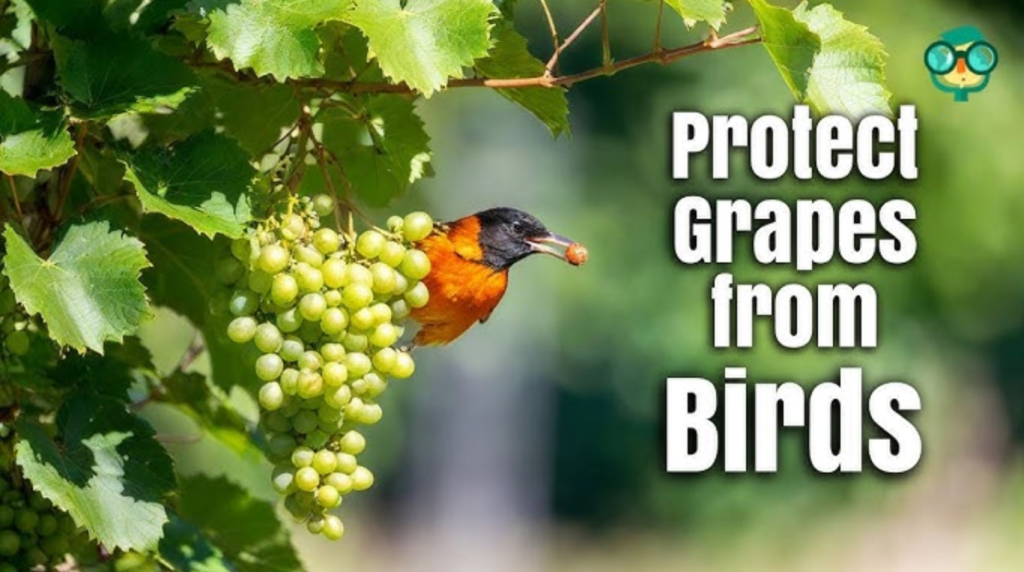
This article examines the use of agricultural bird netting through a case study in Oregon’s Willamette Valley to evaluate its financial impact.
After losing about $50,000 in one harvest due to bird damage, the vineyard replaced reactive deterrents with a full netting system.
The study outlines the installation cost, system setup, and harvest results. Findings show that bird damage was almost completely eliminated, with the investment paying off within the first year.
The case highlights bird netting as a practical investment that protects yield, improves crop quality, and stabilizes production.
Lectura rápida
- Bird damage in vineyards extends beyond eaten fruit to include secondary rot and disease.
- Reactive deterrents like cannons and tape often fail due to bird habituation.
- Physical exclusion with proper netting is the most reliable method for crop protection.
- This case study of an Oregon vineyard saving $50k in crop loss from birds shows a high first-year ROI.
- Netting installation requires careful timing, beginning at véraison for maximum effect.
- Properly installed, taut netting is a humane method that prevents trapping wildlife.
- The initial cost of netting should be viewed as a multi-year investment in asset protection.
The Unseen Harvesters: Understanding Bird Damage in Vineyards
Vineyards may appear calm, but as grapes ripen, they face constant pressure from birds, and in a short time, flocks can cause significant losses.
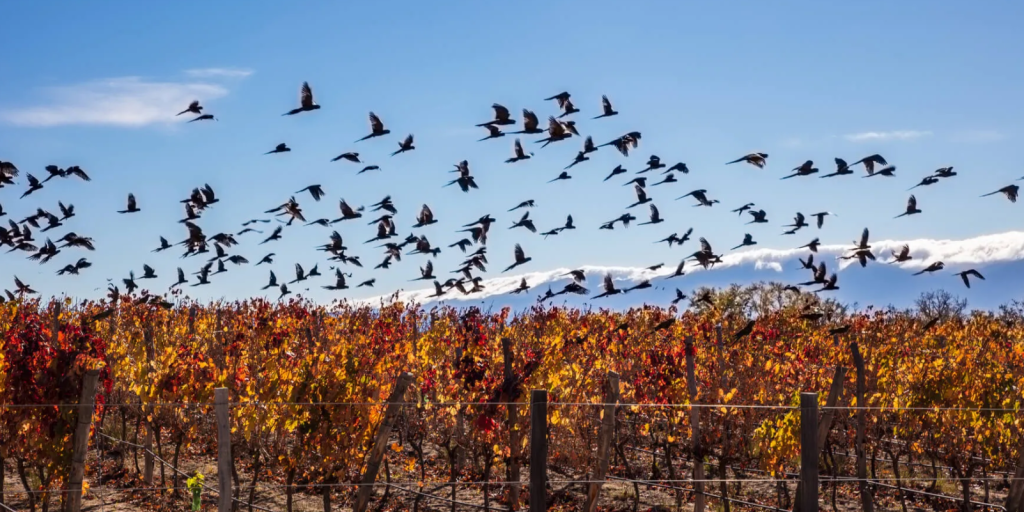
Bird damage commonly accounts for 10% to 30% of the crop, translating into substantial financial impact, especially for high-value grapes. Species such as starlings, robins, and finches are typical culprits, with flocking birds capable of inflicting rapid and widespread damage.
Vineyards are particularly attractive because ripening grapes provide an easy, high-energy food source, while open rows and trellis systems make access simple; over time, birds learn and return to these reliable feeding grounds.
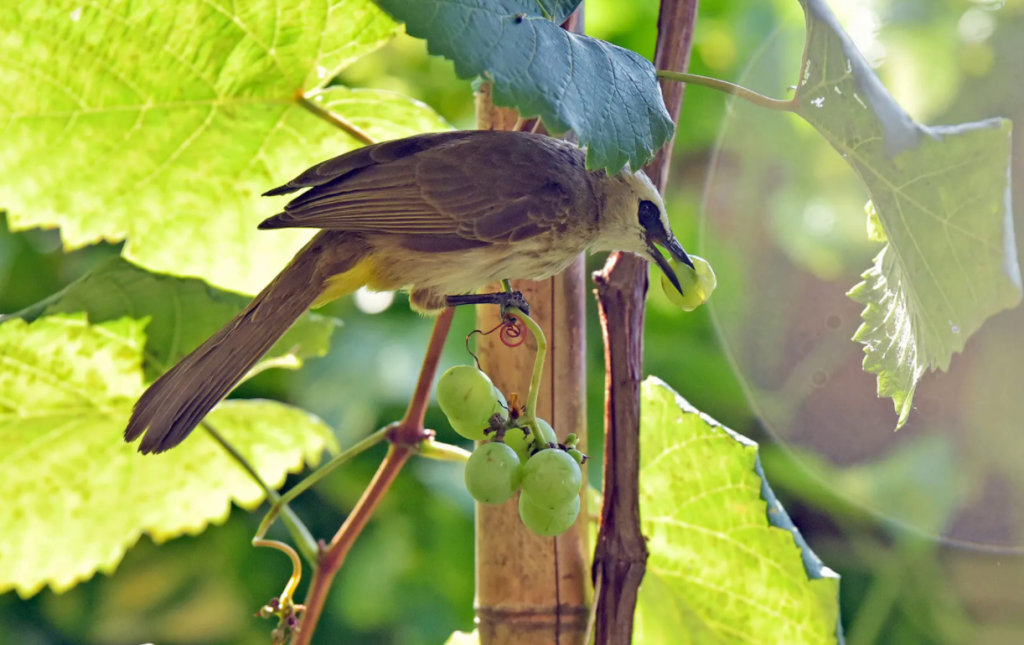
The impact goes beyond what is eaten—pecked grapes attract insects and create entry points for disease like bunch rot, which can spread through entire clusters. As a result, the true cost includes not only lost yield but also reduced fruit quality and lower overall crop value.
A Case Study from the Willamette Valley: The Precipitating Crisis
To make the issue more concrete, consider a representative vineyard in Oregon’s Willamette Valley—here referred to as “Eola Crest Vineyard.” This example reflects the experience of many growers in the region: rising bird pressure, increasing losses, and the need for a more effective solution.
Eola Crest is a family-run, forty-acre vineyard, with twenty acres planted in Pinot Noir. For years, bird damage was manageable—an expected but limited loss. However, in recent seasons, the situation worsened. Flocks became larger and more persistent, especially in the vineyard’s most valuable five-acre block, known for producing high-quality fruit. What was once a minor issue began to threaten overall profitability.
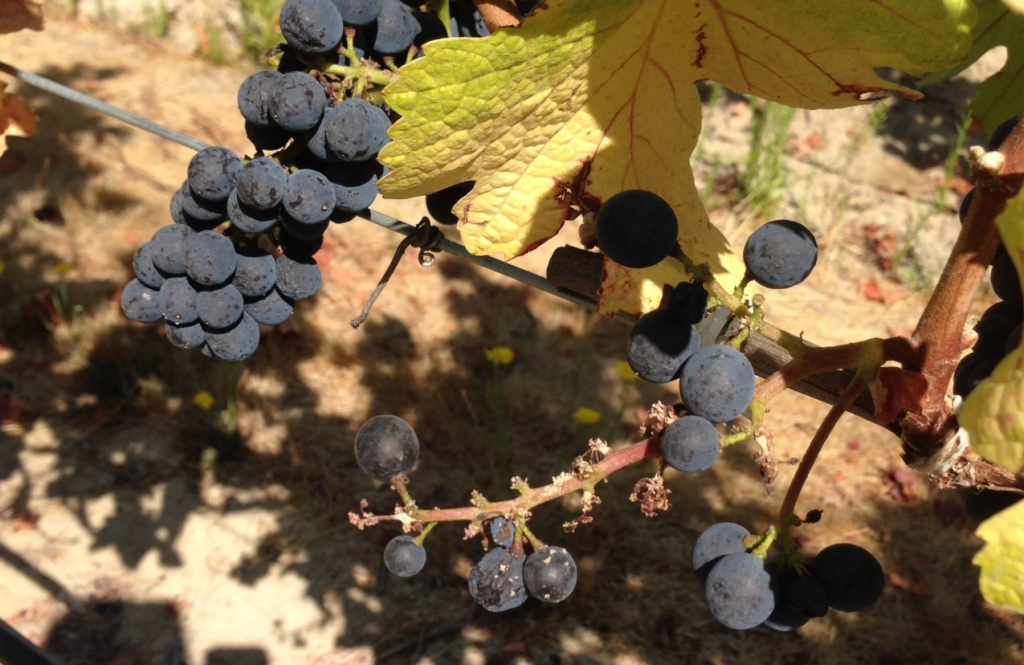
The 2023 harvest marked a turning point. Favorable weather led to early ripening, and birds arrived in large numbers. Despite using standard deterrents, damage escalated quickly. By harvest, many grape clusters were pecked and exposed, attracting insects and early signs of rot.
The final numbers made the impact clear. The vineyard expected about fifteen tons from its premium block but harvested just over eleven—nearly four tons lost. At $3,500 per ton, this meant a direct loss of around $14,000 from that block alone. Across the full twenty acres of Pinot Noir, including both lost yield and reduced quality, total losses approached $50,000. At that scale, the problem was no longer manageable—it required a fundamental change in approach.
The Failure of Conventional Deterrents
The losses in 2023 weren’t due to inaction. Like many growers, Sarah relied on common deterrents designed to scare birds away. She tried a range of visual and noise-based methods, all standard practice in the region.
The problem wasn’t the effort—it was the limitation of these tools. Most deterrents work only temporarily. Birds quickly get used to them, especially when there is a strong, consistent food source. What may work for a few days often becomes ineffective soon after, as birds learn there is no real threat.
| Deterrent Method | Principle of Operation | Reason for Failure (Habituation) |
|---|---|---|
| Propane Cannons | Produces loud, intermittent booms to startle birds. | Birds learn the sound is not associated with a real threat. They may initially fly away but return shortly after. The noise is also a major nuisance to neighbors. |
| Reflective Tape/Scare-Eye Balloons | Uses flashes of light and predator-eye patterns to frighten birds. | Birds are initially wary but quickly realize the static objects pose no danger. They learn to ignore them, often perching on the same trellises where the tape is tied. |
| Distress Calls | Broadcasts recorded calls of predatory birds or panicked flock members. | While more sophisticated, birds can eventually learn to dissociate the sound from an actual predator, especially if one never appears. Effectiveness wanes over time. |
The core issue behind these failures is simple: birds get used to them. They quickly learn which sounds or objects pose no real danger. A propane cannon may scare them at first, but after repeated noise with no actual threat, it becomes background sound. The same goes for visual deterrents—if nothing ever happens, birds stop reacting.
Sarah found herself constantly adjusting—moving equipment, adding more deterrents—but the effect never lasted. The birds would shift briefly, then return. It became a repetitive, labor-heavy effort with less and less impact. By the 2023 season, it was clear that trying to scare birds away wasn’t working. The only reliable solution was to physically block access.
The Strategic Shift: Implementing a Netting Solution
The heavy losses in 2023 forced a change at Eola Crest Vineyard. What had been a problem to manage became a problem to solve. Instead of trying to scare birds away, Sarah shifted to a straightforward approach: keep them out entirely.
The decision to install netting wasn’t easy. It required a significant upfront cost, especially for a small, family-run operation. But the numbers made the situation clear. After losing close to $50,000 in one season, the real question was no longer how much netting would cost, but how much continued losses would cost if nothing changed.
Previous methods—cannons, tapes, and other deterrents—came with ongoing expenses and constant labor, yet delivered inconsistent results. In contrast, netting required a one-time investment but offered long-term protection. Spread over its expected lifespan, the cost became predictable and manageable.
Viewed this way, the choice was straightforward: continue absorbing yearly losses with unreliable methods, or invest once in a system that protects both yield and income. Netting shifted from being an expense to a practical way to stabilize production.
| Característica | Reactive Deterrents (Cannons, Tape) | Proactive Exclusion (Netting) |
|---|---|---|
| Initial Cost | Bajo | Alta |
| Annual Labor Cost | Moderate to High (constant monitoring/moving) | Moderate (installation/removal) |
| Effectiveness | Low to Moderate (decreases over time) | Very High (95-99% reduction in damage) |
| Predictability | Low (highly variable results) | High (consistent, reliable protection) |
| Long-Term ROI | Negative (ongoing costs plus crop loss) | Positive (pays for itself, often in 1-2 years) |
| Impact on Fruit Quality | Minimal (does not prevent secondary rot) | High (prevents pecking, reducing rot/insects) |
Selecting the Right Barrier: Choosing the Netting
Once the decision was made to move forward with netting, the next step was figuring out what kind to use. This wasn’t just a purchase—it meant choosing something that would actually hold up in the field and fit the way the vineyard operated. Sarah focused on three things: how the net would be installed, the mesh size, and the material.
The first choice was between drape-over netting and side netting. Drape-over covers the entire vine row from top to bottom, creating a full barrier. It offers strong protection but can be slow to handle and gets in the way of routine work like spraying or canopy management. Side netting, on the other hand, runs along both sides of the row and protects the fruit zone directly. It’s quicker to install, uses less material, and still allows access through the rows. Since most of the damage at Eola Crest came from birds feeding from the sides, side netting made more sense.
Mesh size was the next consideration. Too large, and smaller birds slip through; too small, and the net becomes heavier, more expensive, and slightly reduces airflow. For the birds common in the Willamette Valley, a 15–20 mm mesh (about 3/4 inch) was the standard choice. It keeps out starlings, robins, and finches without affecting the vines.

For material, the choice was more straightforward. Most agricultural netting is made from HDPE, which holds up well outdoors and doesn’t absorb moisture. The key detail is UV protection—without it, the net would break down quickly in the sun. Sarah went with a high-quality, UV-stabilized HDPE net. It was knitted rather than extruded, making it more flexible and less likely to tear. The black color helped it blend into the vineyard and handle sun exposure better over time.
The Investment Breakdown: A Transparent Look at the Costs
For the 2024 season, Sarah decided to net the ten acres that were most valuable and had suffered the most damage the previous year. This included the five-acre premier Pinot Noir block and another five-acre block of high-quality Chardonnay. She opted for a side-netting system. Here is a detailed breakdown of the costs she incurred.
- Netting Material: She needed two rolls of netting for each row, one for each side. For ten acres, this amounted to a significant quantity of material. The cost for high-quality, UV-treated, 3/4-inch mesh HDPE netting was approximately $1,200 per acre.
- Total Material Cost: 10 acres x $1,200/acre = $12,000
- Labor for Installation: Installation is a labor-intensive process that must be done quickly and efficiently at véraison. Sarah hired a small, experienced crew. The process took her team of four people about three full days to complete the ten acres.
- Total Labor Cost (Installation): 4 people x 3 days x 8 hours/day x $25/hour = $2,400
- Labor for Removal: The nets must be removed before mechanical harvesting or during manual harvesting. This process is generally faster than installation.
- Total Labor Cost (Removal): 4 people x 2 days x 8 hours/day x $25/hour = $1,600
- Hardware/Accessories: This includes specialized clips for attaching the nets to the trellis wires and heavy-duty bags for storing the nets during the off-season to protect them from rodents and UV exposure.
- Total Hardware Cost: ~$1,000
Total Initial Investment for 10 Acres:
- Netting Material: $12,000
- Installation Labor: $2,400
- Removal Labor: $1,600
- Hardware: $1,000
- Grand Total: $17,000
This $17,000 figure represents the full upfront cost to protect her ten most valuable acres. While a substantial sum, it was less than half of the revenue she had lost from bird damage in a single season the year before. The stage was now set to see if this investment would pay off.
The Harvest of 2024: Measuring Success
With the netting in place, the 2024 season at Eola Crest Vineyard began under a new sense of calm. Where véraison had once brought anxiety, Sarah and her team now approached harvest with cautious optimism. The proof, however, lay in the fruit—and in the numbers.
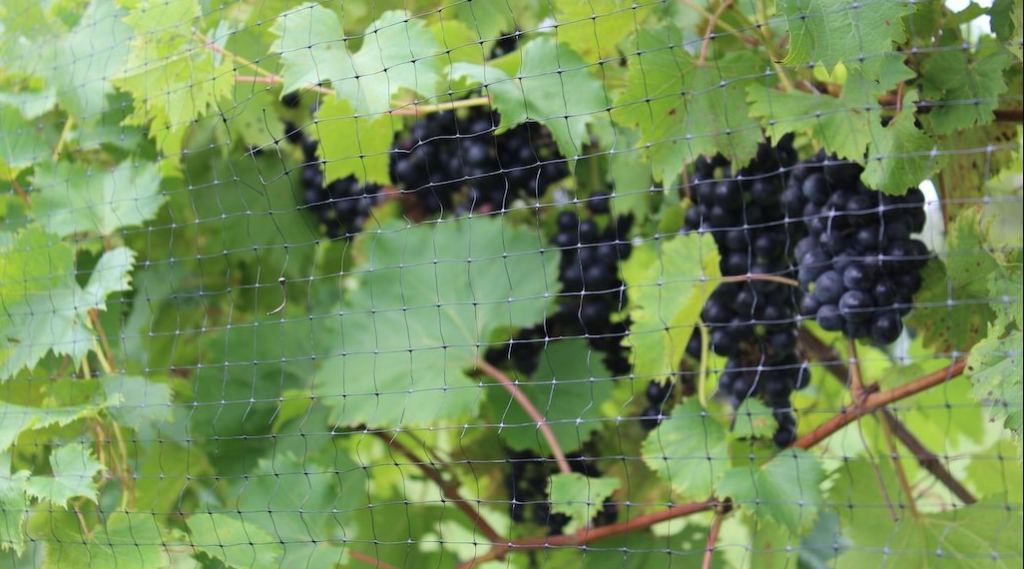
The financial impact was immediate. The ten acres most damaged in 2023, which accounted for roughly $40,000 of the previous $50,000 loss, were fully protected by netting. By harvest, the fruit was intact, free of peck marks, yellow jackets, or signs of rot. Only a handful of berries at row edges showed minor damage, totaling less than $500. Against a netting investment of $17,000, this translated to a net gain of $22,500 in the first year—a 132% return. Beyond this initial payoff, the nets are expected to last seven or more years, offering continued protection with minimal recurring labor costs, making the long-term ROI exceptional.
The benefits went beyond finances. Pre-harvest stress dropped significantly, freeing the crew to focus on essential vineyard tasks. Fruit quality improved dramatically: the absence of punctured berries prevented secondary damage from insects and Botrytis, resulting in cleaner, healthier clusters. Wineries noted the exceptional quality, which supports better fermentation, purer wines, and strengthens the vineyard’s reputation—potentially increasing future grape prices.
Predictability was another key advantage. With netting, Sarah could forecast yields accurately, plan harvest logistics efficiently, and negotiate contracts with confidence.
A visual comparison reinforced the results. A short control row left un-netted mirrored the 2023 damage: shriveled berries, discarded skins, and grey mold. Just a few feet away, the netted rows remained pristine, a vivid demonstration of the netting’s effectiveness. The fruit itself told the story: the investment had worked, protecting both the harvest and the vineyard’s future.
Best Practices for Vineyard Bird Netting: A Guide for Growers
The success of Eola Crest wasn’t just about buying nets—it came from a thoughtful, strategic approach. Effective bird netting is a skill: it’s a process that requires careful timing, attention to detail, and a commitment to doing it right. For growers looking to protect their vineyards, understanding best practices is essential. This guide draws on lessons from Eola Crest as well as industry experience to provide practical, actionable advice.
Timing is Everything: When to Apply and Remove Nets
Netting only works if it’s in place during the grapes’ vulnerable period. Put it on too early, and you risk extra labor and interference with late-season canopy work. Put it on too late, and the birds may already have had a feast.
The key biological signal is véraison—when grapes begin to ripen. Berries soften, red varieties start changing color, sugar levels rise, and acidity drops. This is exactly when birds find them irresistible. The rule of thumb: install nets as soon as the first berries show the color change.
At Eola Crest, Pinot Noir blocks were closely monitored in late July and early August. When the first berries began to blush, the netting crew was deployed. The goal: have nets fully in place before a significant portion of the fruit is ripe.
Removal should align with harvest. For hand-picked vineyards, nets can be lifted row by row just ahead of the pickers. Mechanical harvesting requires complete removal before the harvester enters. Proper removal matters as much as installation: nets should be unclipped carefully, rolled, and stored in labeled, UV-proof bags. This keeps them organized, prevents tangles, and extends their lifespan for next year.
The Art of Installation: Creating a Bird-Proof Seal
Simply draping a net over vines isn’t enough. Birds are clever and will exploit gaps. A properly installed net is taut and fully enclosed.
Here’s how:
- Maintain Tension – A loose net can touch the fruit, letting birds peck through holes, or even trap them, causing injury. Nets should be kept taut and several inches from the fruit, secured with clips along the trellis wires.
- Seal All Entry Points – Birds usually enter from the bottom or row ends. Secure side nets under the fruit zone with clips or weights. Ends should be tightly closed around posts. Think of it as shrink-wrapping the row—no gaps.
- Handle and Store with Care – HDPE nets are durable but can tear if dragged over rough surfaces or snagged on equipment. Store clean, dry nets in a rodent-proof, dark location like a shed. Heavy-duty opaque bags protect against UV damage and chewing, ensuring they’re ready for next season.
Integrating Netting with Vineyard Practices
Netting isn’t isolated—it must fit into your vineyard’s larger management plan.
Canopy Management and Spraying – Side-netting systems, like Eola Crest uses, allow access to the top of the canopy for late-season leaf work or shoot positioning. Spraying for mildew or other diseases can continue; modern air-blast sprayers can penetrate the mesh, though calibration or speed adjustments may be needed. Drape-over nets make these tasks harder, often requiring removal.
Harvesting – Mechanical harvesting requires full net removal beforehand, which must be built into labor schedules. Hand harvesting can be more integrated: workers lift one side of the net ahead of pickers, who follow closely. Nets can then be fully removed, minimizing the time fruit is unprotected. Understanding these workflows helps producers design nets that are both effective and practical.
The Broader Context: Ecological and Ethical Considerations
Bird netting isn’t just a technical or financial decision—it carries ethical and ecological weight. Today’s consumers are increasingly conscious of sustainability and humane practices, and growers who adopt thoughtful strategies can align their work with these values. When implemented properly, netting protects both the crop and local wildlife, reflecting a commitment to responsible stewardship.
A Non-Lethal Approach: Why Exclusion Matters
Traditionally, bird control in agriculture often relied on lethal measures—trapping, poisoning, shooting. These methods, aside from being ethically troubling to many, can have unintended ecological consequences, harming non-target species and destabilizing local ecosystems. Even some so-called non-lethal deterrents, like chemical repellents, carry potential health or environmental risks.
Netting offers a clear alternative. Its principle is simple: separate, don’t harm. A well-installed net creates a barrier that keeps birds away from grapes without injuring them. Birds remain free to forage elsewhere, while the grower’s harvest remains intact. This approach embodies a humane ethic—coexistence rather than conflict.
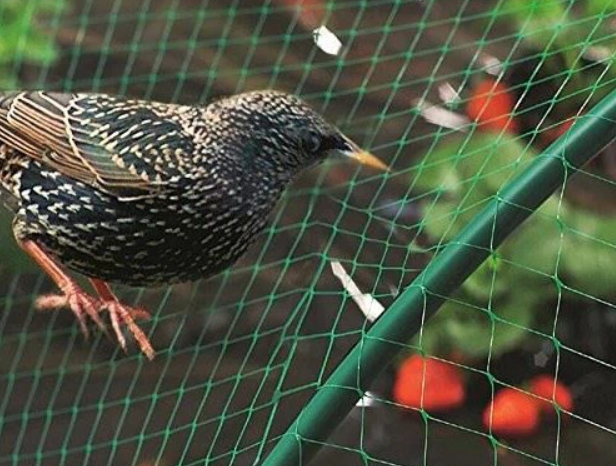
Of course, this ethical advantage depends on proper installation. A loose or sagging net can become a dangerous trap, risking entanglement for birds or small animals. Growers bear the responsibility to ensure nets are taut, secure, and correctly maintained. When done right, netting is arguably the most humane method for preventing large-scale fruit loss. The Oregon State University Extension even recommends non-lethal strategies like netting as a primary approach to reducing crop losses (Lukas et al., 2020).
Netting as a Tool for Sustainable Agriculture
Sustainability in agriculture rests on three pillars: economic viability, environmental health, and social responsibility. Bird netting contributes meaningfully to the first two.
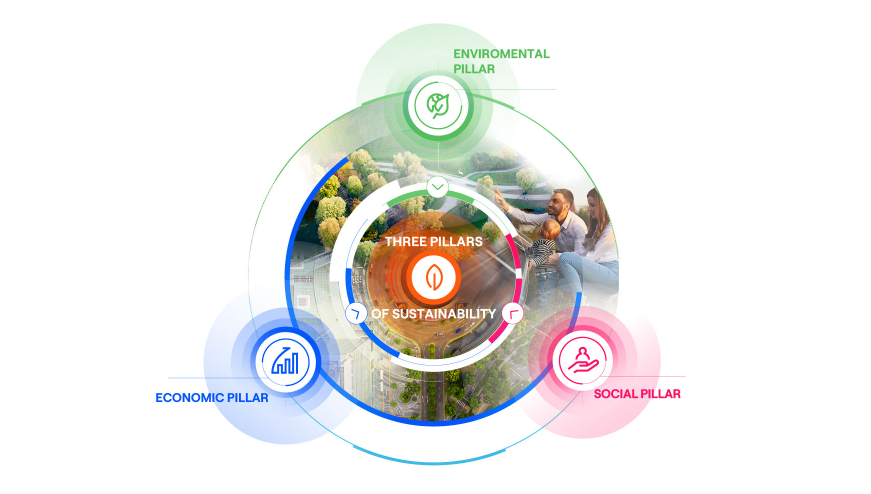
Economic Viability: As demonstrated at Eola Crest, netting protects the vineyard’s economic foundation. By preventing severe crop loss, it ensures the farm remains profitable, supporting both the families who own it and the workers it employs. This stability is essential for long-term sustainability.
Environmental Health: Preventing bird damage also reduces secondary problems—fungal rots and insect infestations—that often require chemical interventions. Fewer sprays mean healthier soil, cleaner water, and a safer environment for beneficial insects and wildlife. Netting also reduces food waste: every grape cluster saved represents more efficient use of land, water, and labor.
Potential Downsides and How to Mitigate Them
A balanced view must acknowledge challenges. Key concerns include cost, labor, and the environmental footprint of plastic netting.
Cost and Labor: The upfront expense can be daunting for smaller growers. Framing netting as a multi-year investment with a rapid ROI can shift perspectives. Programs such as group purchasing or low-interest agricultural loans can help offset initial costs. Labor is concentrated in installation and removal, unlike season-long reactive deterrents, making it more predictable and manageable.
Material Lifecycle: Most netting is petroleum-based plastic, raising environmental concerns. Solutions involve three strategies:
- Invest in quality: High-quality, UV-treated HDPE nets can last a decade, vastly reducing the plastic used over time. Cheap nets may only last a season or two, creating unnecessary waste.
- Proper care: Storing nets correctly during the off-season preserves their integrity and extends their lifespan.
- Plan for end-of-life: While recycling options for agricultural plastics are not yet universal, programs are emerging. Participating in these programs ensures old nets are repurposed rather than sent to landfills. As demand grows, infrastructure for recycling will likely expand.
By approaching netting thoughtfully—from installation to storage and eventual disposal—growers can protect their crops, reduce environmental impact, and practice agriculture in a way that is both ethical and sustainable.
FAQ: Answering Your Pressing Questions about Vineyard Bird Control
Is bird netting really worth the high initial cost?
While the upfront investment can seem high, it is best viewed in the context of return on investment (ROI). As the case study demonstrates, preventing a significant crop loss can allow the netting to pay for itself in the very first season. When you consider that quality netting is a durable asset lasting 7-10 years, the long-term financial benefit far outweighs the initial cost, protecting revenue year after year.
How long does agricultural bird netting typically last?
The lifespan of bird netting depends almost entirely on its quality and how it is cared for. High-quality, UV-stabilized high-density polyethylene (HDPE) netting can last between 7 to 10 years. Cheaper, non-stabilized netting may degrade and become brittle in just 1-2 seasons of sun exposure. Proper handling, cleaning, and off-season storage in a dark, rodent-proof location are essential to maximizing its lifespan.
I’m worried about birds or other animals getting trapped in the nets. How can I prevent this?
This is a valid and important concern. The key to preventing entanglement is proper installation. The netting must be pulled taut, eliminating loose, baggy areas where a bird could get caught. All edges, especially at the bottom of the vines and at the ends of rows, must be securely sealed. A taut net acts as a firm barrier that birds simply bounce off of, while a loose net can act like a mist net, posing a significant hazard.
What is the best type and mesh size of netting for wine grapes?
For most wine grape growing regions, the standard recommendation is a knitted HDPE netting with a mesh size of 15mm to 20mm (about 3/4 inch). This mesh is small enough to exclude the most common fruit-eating birds like starlings, robins, and finches. Knitted construction is often preferred for its strength and resistance to tearing. Black netting is generally the best choice as the color provides superior UV resistance compared to white or green, extending the life of the material.
Are there any effective alternatives to netting?
There are many other bird deterrents, such as sonic cannons, reflective tape, scare-eye balloons, and bio-acoustic systems that play distress calls. While these can provide some temporary relief, their primary weakness is bird habituation. Birds are intelligent and eventually learn that these deterrents pose no real threat. For persistent, high-pressure situations, physical exclusion with netting remains the only method that provides near-total, reliable protection throughout the ripening season.
When exactly should I install the nets on my vines?
The nets should be installed at the onset of véraison. This is the stage when the grapes begin to soften and accumulate sugar, making them attractive to birds. Waiting until after significant color change has occurred means you have already given the birds a window to begin feeding. Monitoring your vineyard blocks closely as summer progresses and starting the installation process at the very first signs of ripening is the optimal strategy.
Can I still apply sprays to my vines if they are covered in netting?
Yes, in most cases. A side-netting system leaves the top of the canopy open and allows for good access. Modern air-blast sprayers are typically powerful enough to ensure the spray droplets penetrate the mesh and provide adequate coverage on the fruit. However, you may need to adjust your sprayer calibration or ground speed. It is always a good idea to run a test pass with water to check the coverage after the nets are on. Full drape-over netting can make spraying more challenging.
Final
The story of Eola Crest Vineyard is more than a tale of one farm’s success—it illustrates a key principle in agricultural risk management. It highlights a shift from reacting to nature’s challenges after the fact to taking a proactive, intelligent approach: physical exclusion. The numbers are clear: investing in a high-quality netting system didn’t just pay off—it provided immediate returns. What was once a recurring, crippling loss became a predictable, secure revenue stream. The experience of this Oregon vineyard, which saved $50,000 in crop losses to birds, offers a concrete example for other growers facing similar pressures.
But the impact goes beyond economics. Netting represents a more modern, conscientious approach to farming. It is humane, allowing growers to coexist with wildlife rather than wage a losing battle against it. It is sustainable, reducing crop waste and lessening the need for chemical treatments that would otherwise address the secondary effects of bird damage. Choosing to install netting is a statement: a grower’s most valuable asset—the fruits of a year’s work—deserves robust and effective protection. For vineyards challenged by bird predation, the evidence suggests that netting is not just an option; it is a smart, long-term investment in certainty, quality, and financial resilience.

Lea nuestros artículos más populares.
👉 Descargue gratuitamente nuestras categorías de productos
👉 Cómo elegir la malla antipájaros adecuada para las granjas de arándanos
👉 The Strategic Grower: Calculating the Multifaceted ROI of High-Quality Agricultural Netting
👉 Guía práctica del comprador: HDPE vs. Nylon: Un enfrentamiento de materiales para redes de jardín
👉 Cómo Empezar un Negocio de Redes de Marca Propia: Un marco de trabajo en 5 pasos
👉 La fabricación china frente a los proveedores locales: Guía del comprador de redes