
An examination of contemporary agricultural pest control methods reveals a significant divergence in strategy, primarily between the application of chemical pesticides and the implementation of physical barriers like anti-insect nets.
This analysis provides a comprehensive comparison of these two approaches, focusing on their respective impacts on human health, environmental stability, crop yield, and economic viability. Chemical pesticides, while offering rapid pest suppression, are systematically linked to adverse health outcomes for both agricultural workers and consumers through direct exposure and residual contamination. Their use also contributes to broad ecological disruption, including harm to non-target species, soil degradation, and water pollution. Conversely, anti-insect netting presents a preventative model that mitigates these risks by creating a physical exclusion zone. This method not only ensures consumer and worker safety but also fosters ecological preservation. A detailed look into the long-term effects on crop yield and quality suggests that while pesticides can protect yields in the short term, netting provides more stable, predictable protection, often resulting in higher-quality produce and better market value.
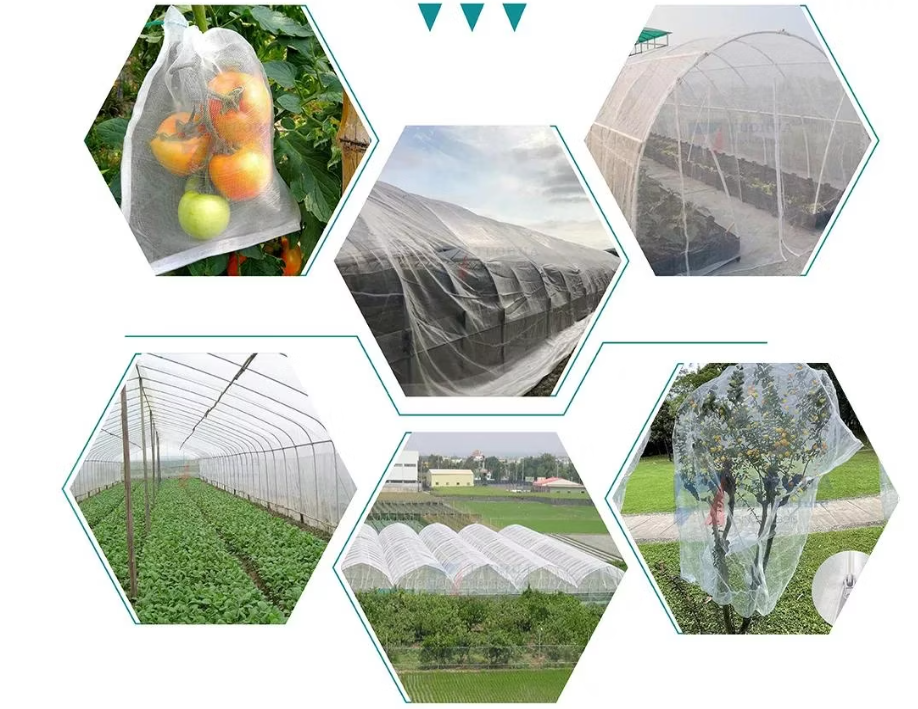
The economic calculus, though involving a higher initial outlay for netting, frequently demonstrates a superior return on investment over time due to the elimination of recurring chemical and application costs.
الوجبات الرئيسية
- Reduce health risks for workers and consumers by eliminating direct chemical exposure and food residues.
- Protecting pollinators and soil microbes leads to a healthier, more resilient farm ecosystem.
- Achieve more consistent crop protection from pests, leading to higher quality and marketable yields.
- The comparison of anti-insect nets vs. chemical pesticides highlights a superior long-term return on investment.
- Decrease reliance on chemical inputs, which are subject to price volatility and regulatory changes.
- Prevent the development of pesticide-resistant pests that require ever-stronger chemical treatments.
- Improve food safety and gain access to premium markets for “pesticide-free” produce.
The Foundational Dilemma: Securing Crops in Modern Agriculture
The cultivation of food has always been a contest—a delicate negotiation between human intention and the persistent pressures of the natural world. Central to this contest is the management of insect pests, which pose a constant threat to the bounty of our fields. For much of the last century, the primary weapon in this struggle has been the chemical pesticide. Born from the same era of chemical innovation that produced countless modern materials, pesticides appeared as a miraculous solution, a way to swiftly and decisively eliminate the insects that would otherwise consume our harvests. Their initial success was undeniable, contributing to the dramatic increases in food production that characterized the Green Revolution. Farmers gained a powerful tool that seemed to offer unprecedented control over the uncertainties of agriculture.

Yet, this reliance on chemical intervention has not been without a profound cost. A growing body of scientific evidence, coupled with firsthand experience from farming communities, has illuminated the darker side of this chemical dependency. The very substances designed to protect our food have been found to pose risks to our health, contaminate our ecosystems, and, paradoxically, sometimes lead to even more resilient pests. This has prompted a deep and necessary re-evaluation of our approach. We are led to ask: is there a way to protect our crops that does not compromise the well-being of people and the planet?
This question has brought renewed attention to a much older principle of pest control: physical exclusion. The concept is simple in its elegance—if you can physically prevent a pest from reaching a plant, it cannot cause damage. Modern material science has transformed this simple idea into a highly effective technology: the anti-insect net. These nets, engineered with precise mesh sizes and durable, long-lasting materials, represent a paradigm shift from a reactive, curative model of pest control to a proactive, preventative one. The ongoing debate over anti-insect nets vs. chemical pesticides: a health and yield comparison is not merely a technical one for agronomists; it touches upon fundamental questions about the kind of food system we wish to create, the relationship we want to have with our environment, and the long-term sustainability of our agricultural practices. This exploration delves into that very comparison, seeking to understand the full spectrum of consequences that flow from these two divergent paths.
Point 1: The Human and Environmental Health Calculus
When we consider the methods used to grow our food, the inquiry must extend beyond the simple fact of a successful harvest. It must probe the very nature of that success, questioning the hidden costs and collateral impacts that attend our choices. The starkest distinctions in the anti-insect nets vs. chemical pesticides: a health and yield comparison emerge within the domain of human and environmental health. The decision is not merely about killing a bug; it is about the ripple effects that spread from the farm field into our bodies, our water, and the intricate web of life that supports us.
Direct Human Health Impacts of Chemical Pesticides
The human cost associated with chemical pesticides is a matter of extensive documentation and grave concern. The risks bifurcate into two distinct categories: acute poisoning, which affects those in immediate proximity to the chemicals, and chronic exposure, which poses a more insidious, long-term threat to a much broader population.

Agricultural workers stand on the front lines of this exposure. For them, the risk of acute pesticide poisoning is a constant occupational hazard. Symptoms can range from mild skin irritation, dizziness, and nausea to severe, life-threatening conditions like respiratory failure and seizures (Mancini et al., 2021). Each year, millions of farmworkers around the globe suffer from such poisonings, a stark reminder of the inherent toxicity of these compounds. The World Health Organization has long recognized this as a major public health problem, particularly in regions where safety regulations are less stringent or poorly enforced. Imagine a worker, day after day, mixing and spraying these substances, often with inadequate protective equipment. The air they breathe, the ground they walk on, and the very plants they tend become vectors of potential harm.
Beyond the immediate danger lies the more subtle, yet perhaps more pervasive, threat of chronic exposure. This affects not only farmworkers but also consumers who ingest small, residual amounts of pesticides on their food over a lifetime. Scientific literature has linked long-term exposure to a disturbing array of health problems. Numerous epidemiological studies have suggested correlations between pesticide exposure and increased risks of certain cancers, including non-Hodgkin lymphoma and prostate cancer.

Furthermore, a growing body of research points toward neurotoxic effects, linking exposure to neurodegenerative diseases like Parkinson’s disease and developmental issues in children (Mostafalou & Abdollahi, 2017). The endocrine system, our body’s delicate chemical messaging network, is also vulnerable. Many pesticides are classified as endocrine-disrupting chemicals (EDCs), meaning they can interfere with hormonal functions, potentially leading to reproductive problems, developmental abnormalities, and metabolic disorders. The debate over anti-insect nets vs. chemical pesticides: a health and yield comparison must therefore confront this difficult truth about the potential for long-term, systemic harm.
The Benign Alternative: Health Benefits of Anti-Insect Nets
In stark contrast to the catalogue of risks associated with chemical pesticides, anti-insect nets operate on a principle of non-toxic, physical exclusion. Their contribution to human health is defined not by what they do, but by what they make unnecessary.

The most immediate and obvious benefit is the production of cleaner, safer food. When crops are grown under the protection of netting, the need for spraying insecticides is drastically reduced or, in many cases, completely eliminated. This means the final product that reaches the consumer’s table is free from the chemical residues that are a source of so much concern. For families, especially those with young children whose developing bodies are more vulnerable to toxins, this provides invaluable peace of mind. The apple is just an apple; the lettuce is just lettuce, without the invisible chemical footprint.
Simultaneously, the health and safety of agricultural workers are profoundly enhanced. By removing the primary source of chemical exposure, the use of anti-insect nets eradicates the risk of acute pesticide poisoning and dramatically lowers the danger of chronic health problems. A farm that transitions to netting is a farm that no longer asks its employees to handle and apply toxic substances. This is a fundamental change in the working environment, transforming it from a site of potential hazard to one of greater safety and well-being. This aspect of the anti-insect nets vs. chemical pesticides: a health and yield comparison speaks to a deeper sense of responsibility for the people who cultivate our food.

The benefits extend beyond the farm gate into the surrounding community. With no chemical spray drifting on the wind and no pesticide runoff seeping into local water sources, the overall environmental health of the area improves. This means cleaner air for residents to breathe and safer water for drinking, fishing, and recreation.
Environmental Toll of Chemical Interventions
The impact of chemical pesticides radiates outward from the targeted pest, causing widespread disruption to the surrounding ecosystem. These chemicals are often indiscriminate, harming not only the intended target but also a vast array of non-target organisms that are essential for a healthy environment.
Perhaps the most well-known victims are pollinators. Bees, butterflies, and other insects responsible for pollinating a huge proportion of our food crops are exceptionally vulnerable to many common insecticides, particularly neonicotinoids (Lundin et al., 2015). The decline of pollinator populations is not just an ecological tragedy; it is a direct threat to our food security. By eliminating the very creatures that many crops depend upon for reproduction, pesticide use can create a vicious cycle, undermining the long-term viability of the agricultural system they are meant to protect.

Beneath our feet, in the soil, a complex community of microorganisms, earthworms, and beneficial fungi is also at risk. These organisms are the architects of soil fertility, breaking down organic matter, cycling nutrients, and creating a healthy structure for plant roots. Pesticides can decimate these populations, leading to sterile, compacted soil that is less able to retain water and nutrients, making it more dependent on synthetic fertilizers.
Water, the lifeblood of any ecosystem, becomes a conduit for contamination. Pesticides applied to fields are often washed by rain into streams, rivers, lakes, and eventually, groundwater. This contamination can be devastating for aquatic life, from fish to amphibians to the insects that form the base of the aquatic food web. It also poses a risk to any community, human or animal, that relies on these water sources.

A final, insidious environmental consequence is the development of pesticide resistance. Through the simple mechanics of natural selection, pest populations that are repeatedly exposed to a chemical will inevitably develop resistance to it.

The most susceptible insects die, while the few that happen to have a genetic trait that allows them to survive will reproduce, passing that trait on. This leads to a “pesticide treadmill,” where farmers must apply increasingly higher doses or switch to newer, often more toxic, chemicals to achieve the same effect. This escalating chemical warfare is unsustainable and only deepens the cycle of environmental damage.
Ecological Harmony with Physical Barriers
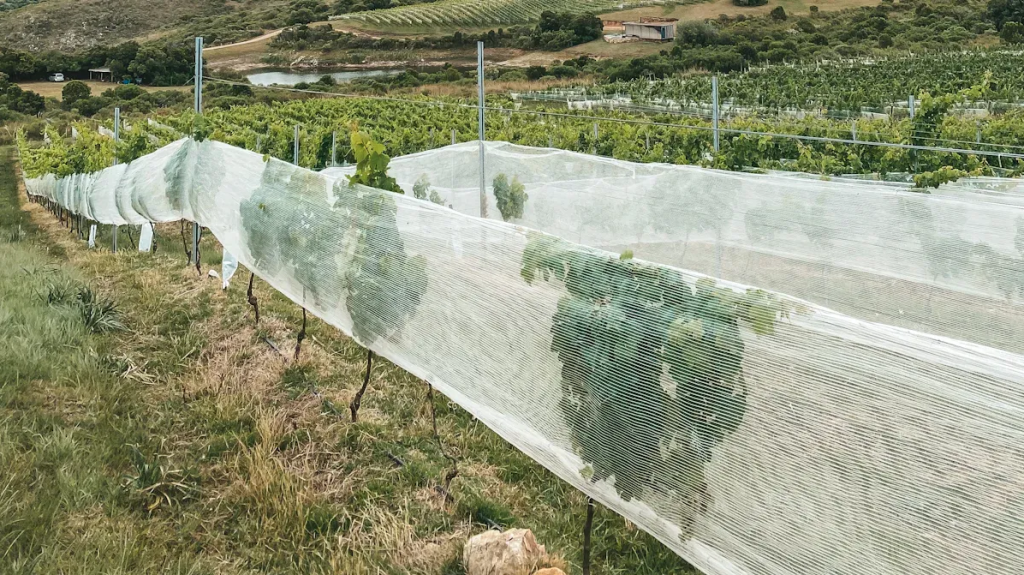
The use of anti-insect nets offers a pathway out of this destructive cycle. By creating a physical barrier, netting works in harmony with the environment rather than in opposition to it. It is a strategy of coexistence, not annihilation.
In essence, anti-insect nets allow a farmer to cordon off a specific area for cultivation while leaving the surrounding ecosystem intact. This approach recognizes that a farm is not an isolated factory but part of a larger ecological landscape. The health and productivity of the farm are ultimately connected to the health of that wider landscape. The critical examination of anti-insect nets vs. chemical pesticides: a health and yield comparison reveals that true, long-term agricultural health is inseparable from ecological health. Physical barriers respect this connection, offering a tool that protects crops without declaring war on nature itself.

Point 2: A Comparative Analysis of Crop Yield and Quality
The decision-making process for any farmer or agricultural enterprise must, of necessity, be grounded in the practical realities of yield and quality. A pest control method, no matter how noble its principles, must ultimately prove its worth in the field by protecting the harvest and ensuring the production of marketable goods. It is in this pragmatic arena that the anti-insect nets vs. chemical pesticides: a health and yield comparison moves from the theoretical to the tangible, revealing both surprising commonalities and critical differences in their long-term effects.

The Short-Term Efficacy of Chemical Pesticides
There is a compelling reason why chemical pesticides became so dominant in the 20th century: they often work, and they work quickly. When a farmer sees a crop being devoured by an infestation, the instinct is to act decisively. A broad-spectrum insecticide can provide a rapid “knockdown” of the pest population, often within hours or days. This immediate, visible result can create a powerful sense of control and relief. The problem appears, the solution is applied, and the problem vanishes—at least for a time.
This approach is particularly appealing for its perceived efficiency. A single application can cover a large area, and the chemical’s effectiveness is not contingent on the precise life cycle of the pest in the way that some biological controls are. For large-scale monoculture operations, the simplicity of a scheduled spraying program is operationally attractive. However, this short-term efficacy can be deceptive, masking underlying weaknesses in the strategy. The protection is temporary; it lasts only until the chemical degrades or is washed away by rain, or until a new wave of pests arrives from untreated areas.

This often necessitates repeated applications throughout the growing season, reintroducing the health and environmental risks with each spray.
The Long-Term Yield Stability of Anti-Insect Nets
Anti-insect nets function on a completely different timeline. They are not a cure for an existing infestation but a continuous, passive form of prevention. Once properly installed, the net provides an unbroken shield of protection from the moment the crop is planted or transplanted until the day of harvest. This consistency is a key advantage.
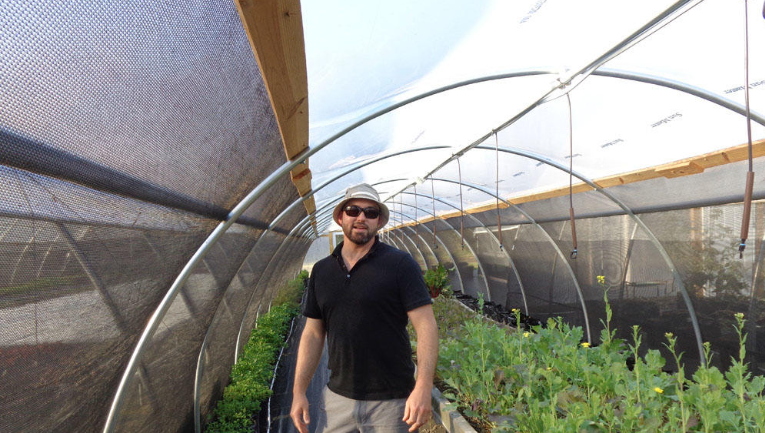
Unlike a chemical spray that can be rendered ineffective by an unexpected rainstorm, a physical barrier remains in place, offering reliable protection regardless of the weather. It prevents the initial colonization of the crop by pests, which is a far more effective strategy than trying to manage a population that has already become established. By stopping pests from laying their eggs and beginning their life cycle on the plants, netting averts the very possibility of a population explosion.
This leads to a more stable and predictable yield. While a crop treated with pesticides might experience fluctuations—periods of pest damage followed by recovery after spraying—a crop under netting is shielded from these peaks and troughs. The plants can grow in a lower-stress environment, free from the constant pressure of insect feeding. This often results in not just a protected yield, but a healthier, more vigorous crop overall. The comprehensive review of anti-insect nets vs. chemical pesticides: a health and yield comparison consistently points to this benefit of stability as a major factor for long-term farm planning.
| الميزة | Chemical Pesticides | Anti-Insect Nets |
|---|---|---|
| Mode of Action | Curative (kills existing pests) | Preventative (excludes pests) |
| Protection Duration | Temporary (requires reapplication) | Continuous (season-long) |
| Weather Dependency | High (can be washed off by rain) | Low (unaffected by rain) |
| Effect on Pests | Rapid knockdown, risk of resistance | Total exclusion, no resistance development |
| Yield Fluctuation | Potentially high (damage-spray cycles) | Low (stable, consistent protection) |
| Long-Term Outlook | “Pesticide treadmill” effect | Sustainable, one-time installation per season |
Impact on Crop Quality and Market Value
The value of a harvest is determined not just by its weight (yield) but also by its quality. A tomato that is riddled with insect bites or a lettuce leaf that is full of holes has little to no market value, even if it survived to maturity. Here, the comparison of anti-insect nets vs. chemical pesticides: a health and yield comparison reveals another advantage for physical barriers.
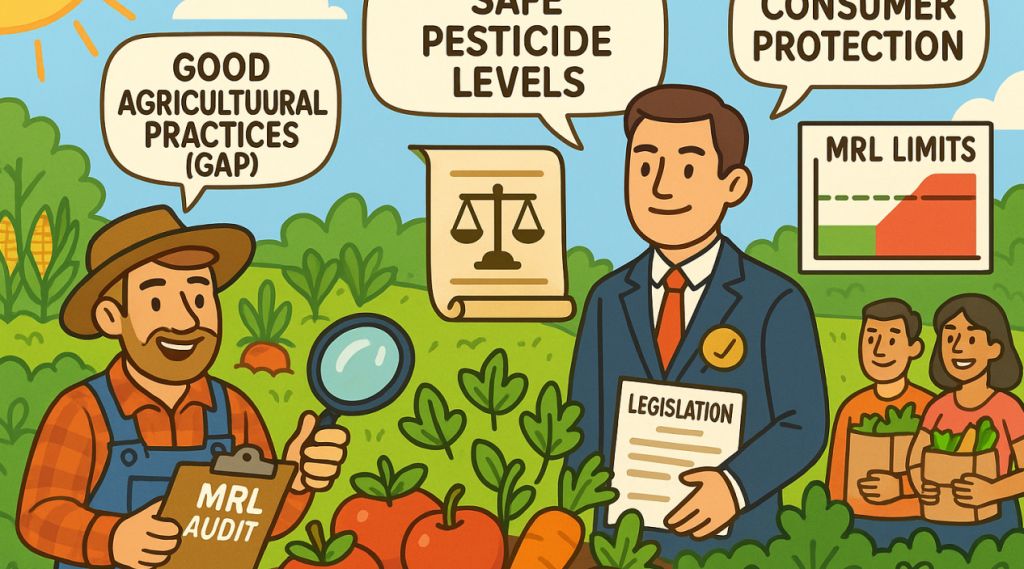
While pesticides can prevent catastrophic crop loss, they do not always guarantee high quality. Some pests may cause cosmetic damage before the pesticide takes effect. More significantly, the chemical application itself can sometimes cause problems. A phenomenon known as phytotoxicity can occur, where the chemical spray damages the plant’s tissues, causing spotting, burning, or stunted growth, thereby reducing its marketability. Furthermore, the presence of visible chemical residues can be a major deterrent for buyers, and exceeding the Maximum Residue Limits (MRLs) set by regulatory bodies can lead to the entire harvest being rejected.
Anti-insect nets, by contrast, excel at preserving crop quality. By preventing pests from ever reaching the plants, they eliminate the possibility of physical damage like bites, stings, and blemishes. This results in a higher percentage of first-grade, aesthetically pleasing produce. This is particularly crucial for high-value crops like berries, leafy greens, and bell peppers, where appearance is paramount.
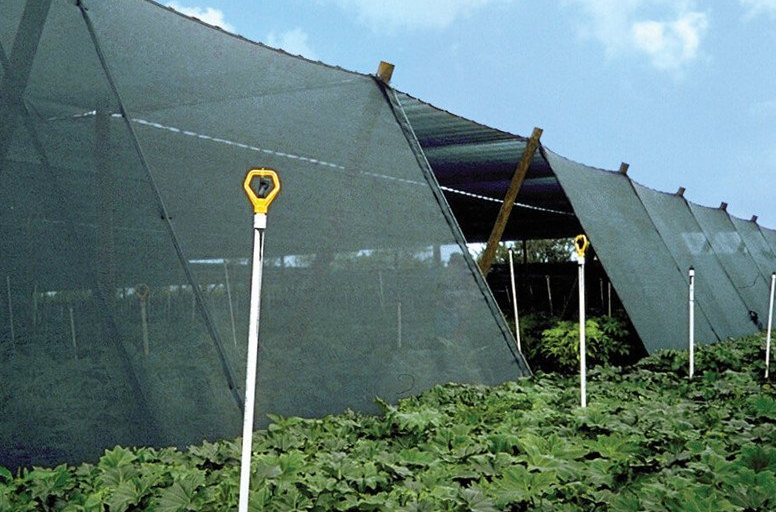
Moreover, the environment under the net can have beneficial effects. The netting can provide slight shading, which protects sensitive crops from scorching summer sun. It can also shield plants from physical damage from hail or strong winds. The microclimate created under the net—often with slightly higher humidity and moderated temperatures—can be advantageous for the growth of certain crops, leading to larger and more uniform fruit. This combination of physical protection and a favorable microclimate often translates directly into a higher market price. A farmer can confidently market their produce as “pesticide-free,” a label that commands a significant premium in many markets, from local farmers’ markets to large supermarket chains.
The Challenge of Complete Exclusion and Integrated Approaches
It is important to maintain a balanced perspective. Anti-insect nets are a powerful tool, but they are not a panacea for every agricultural challenge. Their primary function is to exclude flying and crawling insects. They offer no protection against soil-borne diseases, fungal pathogens that may already be in the soil or seeds, or viral diseases that might have been present in the planting material. A successful agricultural strategy must be holistic.
This is where the concept of Integrated Pest Management (IPM) becomes so vital. IPM is a philosophy that uses a combination of techniques to manage pests in the most effective, economical, and environmentally sound way possible. In an IPM system, agricultural netting solutions serve as the first and most important line of defense.
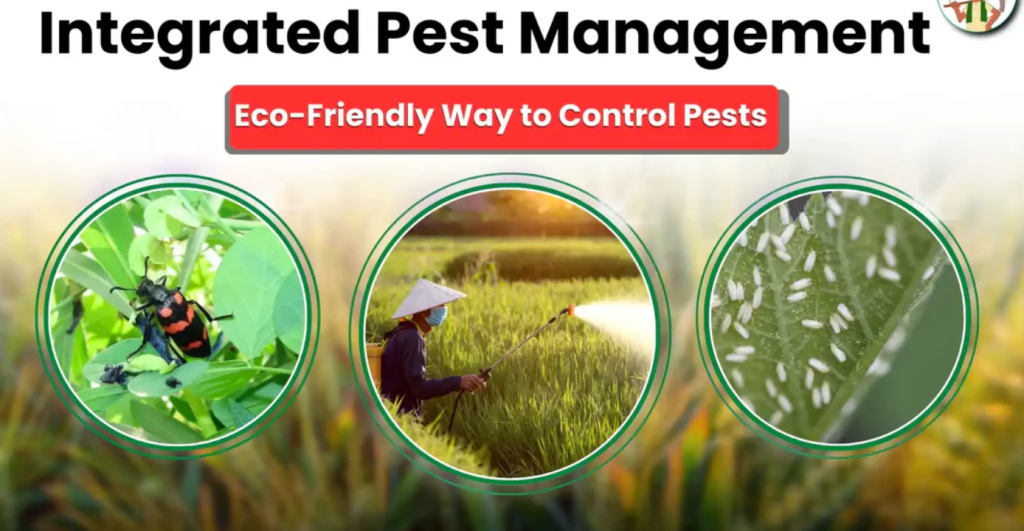
They create a foundation of physical protection.
This foundation can then be supplemented by other practices. These might include:
- Biological Controls: Releasing beneficial insects (like predatory mites) inside the netted area to control any pests that might have inadvertently entered.
- Cultural Practices: Using disease-resistant crop varieties, practicing crop rotation to break disease cycles, and ensuring proper sanitation to remove sources of infection.
- Targeted Chemical Use: In a worst-case scenario where a disease outbreak occurs, a targeted application of a specific, low-toxicity fungicide might be necessary. This is fundamentally different from the broadcast, preventative spraying of broad-spectrum insecticides.
The anti-insect nets vs. chemical pesticides: a health and yield comparison is not always an either/or proposition. Rather, it highlights a shift in hierarchy. In a modern IPM framework, physical barriers like nets are the primary strategy, with chemical applications relegated to a method of last resort, used sparingly and with great precision. This integrated approach leverages the strengths of netting while acknowledging its limitations, creating a system that is both resilient and sustainable.
Point 3: The Economic and Operational Viability
For any agricultural innovation to be widely adopted, it must make financial sense. Farmers operate businesses, and the bottom line—profitability—is a non-negotiable factor. A thorough examination of the economics is therefore essential to the anti-insect nets vs. chemical pesticides: a health and yield comparison. While a surface-level glance might suggest that chemicals are cheaper, a deeper dive into the full cost structure over time, including both direct expenses and hidden liabilities, often paints a very different picture.
The Cost Structure of Chemical Pesticide Reliance
The economic model of pesticide-based agriculture is built on recurring costs. It is a subscription model, not a one-time purchase. The most obvious expense is the chemicals themselves. The prices of these proprietary compounds can be volatile, subject to supply chain disruptions and the market power of large agrochemical companies. With the “pesticide treadmill” effect, farmers may find they need to buy larger quantities or more expensive, next-generation chemicals as pests develop resistance, leading to escalating annual costs.
To this, one must add the cost of application. This includes the purchase and maintenance of spraying equipment, from simple backpack sprayers to large, expensive tractors and boom sprayers. Fuel and labor costs for the application process are also significant, especially when multiple applications are needed throughout a season. Furthermore, there are the costs of personal protective equipment (PPE) for workers, as well as the time and expense of training and certification for handling and applying these hazardous materials.
Beyond these direct outlays are a series of hidden or externalized costs that are often not factored into a farm’s immediate balance sheet but have real economic consequences.

- Healthcare Costs: Increased health problems among farmworkers and rural communities due to chemical exposure can lead to higher medical bills and lost productivity.
- Environmental Remediation: The cost of cleaning up contaminated water sources or restoring degraded soil is often borne by the public, but can also manifest as direct costs through fines or regulations.
- Loss of Pollinator Services: When pesticides harm local bee populations, a farmer growing a crop like almonds or apples may see reduced yields or have to pay for expensive, managed pollination services.
- Market Access Risk: A harvest that fails to meet the increasingly stringent Maximum Residue Limits (MRLs) of a key export market or a major supermarket chain can result in catastrophic financial loss.
When all these factors are considered, the perceived low cost of chemical pesticides begins to look like an illusion, sustained by a failure to account for the full economic lifecycle of the choice.
The Investment Economics of Anti-Insect Netting
The economic profile of anti-insect netting is fundamentally different. It is characterized by a significant upfront investment followed by a long period of low-cost operation. The primary expense is the initial purchase of the netting material and any necessary support structures, such as hoops for low tunnels or posts and cables for larger screenhouses.
This initial capital outlay can seem daunting, especially for smaller-scale farmers. However, it must be viewed as a long-term investment, not an annual expense. High-quality anti-insect nets, made from durable materials like UV-stabilized High-Density Polyethylene (HDPE), are designed to last for many seasons. A typical lifespan can range from 5 to 8 years, or even longer with proper care and handling.
Once this investment is made, the recurring annual costs associated with pest control plummet. The need to purchase chemicals is eliminated. The labor, fuel, and equipment costs of spraying disappear. The only significant recurring operational cost is the labor required for installation at the beginning of the season and removal and storage at the end. Over the lifespan of the net, the total cost of ownership is often significantly lower than the cumulative cost of a chemical-based program. The return on investment (ROI) is realized through these saved expenses, year after year.
| Cost/Benefit Factor | Chemical Pesticides (5-Year Period) | Anti-Insect Nets (5-Year Period) |
|---|---|---|
| Initial Investment | Low (sprayer) | High (nets & structure) |
| Annual Recurring Costs | High (chemicals, fuel, labor, PPE) | Low (installation/removal labor) |
| Hidden Costs | High (health, environment, resistance) | Minimal |
| Crop Quality Impact | Risk of residue, phytotoxicity | High quality, blemish-free |
| Market Access | Potential for rejection due to residues | Access to premium “pesticide-free” markets |
| Total 5-Year Cost | Sum of 5 years of high recurring costs | High initial cost + 5 years of low recurring costs |
| Return on Investment | Dependent on crop price, can decrease with resistance | High, increases each year as savings accumulate |
This economic analysis is a crucial part of the anti-insect nets vs. chemical pesticides: a health and yield comparison. It reframes the decision from “what is the cheapest option this year?” to “what is the most profitable and resilient strategy over the next five to ten years?” Furthermore, the ability to market produce as “pesticide-free” or “sustainably grown” can unlock new revenue streams and higher price points, actively increasing a farm’s profitability rather than just cutting costs.
Operational Considerations: Labor, Skill, and Maintenance
The operational realities of each system also differ significantly. A pesticide-based system demands a specific set of skills and is highly dependent on timing and weather. Applicators must be trained in the safe handling of toxic materials and be precise in mixing and application rates. The timing of sprays is often critical, needing to coincide with specific pest life stages, and is constrained by weather conditions—spraying cannot be done in high winds due to drift or just before a rain that will wash the product away.
An anti-insect netting system shifts the labor demand. The most labor-intensive periods are at the beginning and end of the season, during installation and removal. This requires a team of workers but is a predictable, scheduled activity. During the growing season itself, labor related to pest control is minimal, primarily involving periodic inspections of the nets to check for and repair any tears or holes. This can free up farm labor for other important tasks like pruning, weeding, or harvesting. The skills required are different—less about chemical handling and more about basic construction and maintenance. For many farm managers, the predictability and reduced in-season demands of a netting system represent a significant operational advantage.
Case Study: Transitioning to Netting in a Commercial Farm
To make these concepts concrete, let us imagine a hypothetical 10-hectare farm in a temperate climate specializing in high-value organic raspberries. For years, the farm struggled with the spotted wing drosophila (SWD), an invasive fruit fly that lays its eggs in ripening fruit, rendering it unmarketable. Their IPM strategy relied on frequent monitoring and repeated applications of approved organic insecticides. Despite their best efforts, they were losing 15-20% of their crop to SWD damage each year, and the labor and material costs of the spraying program were substantial.
In 2025, the farm decides to invest in a complete anti-insect netting system, covering all 10 hectares with a fine-mesh net specifically designed to exclude SWD. The initial investment is significant, costing tens of thousands of dollars for the netting and support infrastructure. The first year, there is a learning curve. The installation process takes longer than anticipated, and a small section of netting is damaged by a storm due to improper tensioning.
However, the results are dramatic. The crop loss to SWD drops to less than 1%. The raspberries are larger and more uniform due to the protected growing environment. The farm completely eliminates its budget for insecticides. By the end of the second season, the savings from the eliminated crop loss and the erased insecticide costs have already paid back over half of the initial investment. By the end of the fourth year, the system has fully paid for itself and is generating pure profit. The farm is now able to market its berries with a “Protected Harvest – No Sprays” label, commanding a 15% price premium from its buyers. This case study, while hypothetical, reflects the real-world experiences of many growers who have made the transition, demonstrating that the economic argument within the anti-insect nets vs. chemical pesticides: a health and yield comparison can be decisively won by the physical barrier approach when viewed as a long-term strategic investment.
Choosing the Right Physical Barrier: A Deeper Look into Netting Technology
Once a grower appreciates the powerful arguments in favor of physical exclusion, the next logical step is to understand the technology itself. The term “anti-insect net” encompasses a wide range of products, and selecting the correct one is paramount to success. It is not a one-size-fits-all solution. The effectiveness of the barrier depends on a sophisticated interplay of material science, engineering, and an understanding of entomology. A thoughtful choice, often involving حلول المعاوضة المخصصة, can be the difference between complete protection and frustrating failure.
Understanding Mesh Size and Its Importance
The single most critical specification of an anti-insect net is its mesh size. This is typically measured in one of two ways: either by the dimensions of the hole (e.g., 0.8mm x 1.0mm) or by the number of threads per square inch (e.g., a 50-mesh screen). This dimension dictates which insects can be excluded.
Think of it as a form of biological filtering. A larger mesh net, perhaps with 3-4mm holes, might be perfectly adequate for keeping out large moths (like the cabbage moth) or birds, while allowing excellent airflow. However, it would be completely useless against tiny pests like thrips or aphids. To exclude these smaller insects, a much finer mesh is required, often with holes smaller than 0.4mm. For the very smallest pests, like whiteflies or certain species of thrips, a 50-mesh (or even finer) net may be necessary.
This choice involves a crucial trade-off. As the mesh size becomes smaller, airflow through the net is reduced. This can lead to an increase in temperature and humidity inside the netted structure, creating a “greenhouse effect.” In some cool climates, this can be beneficial, promoting faster growth. In hot climates, however, excessive heat buildup can stress the plants. Therefore, the selection of mesh size requires a careful calculation: what is the smallest pest I absolutely must exclude, and what is the largest mesh size I can get away with to ensure adequate ventilation for my specific crop and climate? This nuanced decision is central to optimizing the performance of the netting system.
Material Science: Durability and Longevity
An anti-insect net is a long-term investment, and its durability is key to its economic viability. The vast majority of high-quality agricultural nets today are made from High-Density Polyethylene (HDPE). This polymer is chosen for its excellent strength-to-weight ratio, its resistance to moisture and rot, and its chemical inertness.
However, raw HDPE is vulnerable to degradation from the ultraviolet (UV) radiation in sunlight. Without protection, a net would become brittle and fall apart after just one or two seasons. This is why the most important feature to look for in a quality net is its UV stabilization. During the manufacturing process, special additives are mixed into the polymer that absorb or dissipate UV radiation, protecting the integrity of the plastic. A well-stabilized net can withstand years of intense sun exposure, making it a reliable, multi-season tool.
The construction of the net also plays a vital role. Woven nets are often stronger and more resistant to tearing, while knitted nets can be more flexible and less prone to unraveling if they are punctured. The quality of the threads, the consistency of the weave, and the strength of the selvedges (the reinforced edges) all contribute to the overall lifespan of the product. When evaluating the long-term economics in the anti-insect nets vs. chemical pesticides: a health and yield comparison, the quality and expected lifespan of the netting material are critical variables.
Customization for Optimal Performance
Crops, climates, and farming systems are incredibly diverse, and the most effective netting solutions are those that are adapted to specific conditions. Customization is often key.
- Dimensions: Off-the-shelf rolls of netting may not be a perfect fit for a specific greenhouse, field, or tunnel system. The ability to order nets in custom widths and lengths minimizes waste and ensures a perfect, tight fit, which is crucial for effective pest exclusion. Gaps and poor-fitting seams are open doors for pests.
- Color: The color of the net is not just an aesthetic choice; it has functional consequences.
- Transparent/Crystal: Allows maximum light transmission, ideal for crops that need full sun.
- White/Pearl: Diffuses sunlight, which can reduce scorching and create a more even light distribution within the canopy. This is often beneficial for sensitive crops.
- Black: Provides a shading effect, which can be desirable in very hot, sunny climates to reduce heat stress on plants.
- Colored Nets (e.g., Red, Yellow): Research has shown that certain colors can have specific impacts on insect behavior or plant development, an area of ongoing innovation.
- Configuration: The netting needs to be integrated into a complete system. This could be a simple low tunnel draped over hoops for row crops, a “walk-in” tunnel, or a full-scale, permanent screenhouse covering many hectares. The type of netting, its weight, and its edge reinforcements may need to be customized to suit the specific support structure it will be used with.
Ultimately, choosing the right physical barrier is an exercise in precision agriculture. It requires a clear understanding of the target pests, the local climate, the needs of the crop, and the operational plan of the farm. By moving beyond a generic solution and embracing the possibilities of customized, high-quality netting, a grower can fully unlock the health, yield, and economic benefits that this technology offers.
FAQ: Answering Your Pressing Questions
1. Can anti-insect nets completely replace pesticides?
For many insect pests, yes. A properly selected and installed net can provide complete physical exclusion, making insecticides for those pests unnecessary. However, nets do not protect against soil-borne diseases, bacteria, or fungi. Therefore, they are best used as the cornerstone of an Integrated Pest Management (IPM) program that may also include practices like crop rotation, using disease-resistant varieties, and maintaining soil health. In this system, nets can eliminate the need for almost all insecticides, but a targeted fungicide might occasionally be needed.
2. What is the average lifespan of a quality anti-insect net?
The lifespan depends heavily on the quality of the material, particularly its UV stabilization, and the local climate conditions. A high-quality, UV-stabilized HDPE net can typically last between 5 and 8 years. In regions with extremely high UV radiation, the lifespan might be closer to the lower end of that range, while in more temperate climates, it can be longer. Proper handling, storage, and maintenance (like repairing small tears promptly) can significantly extend the net’s useful life.
3. Do nets negatively affect pollination?
This is a critical consideration. If a crop requires insect pollination (like squash, cucumbers, or many fruits), the netting will prevent pollinators from reaching the flowers. There are two main solutions. First, for some crops, the nets can be temporarily removed or rolled up during the morning hours when pollinators are most active. Second, for large, enclosed systems like screenhouses, managed pollinators, such as hives of bumblebees, can be introduced inside the netted structure to perform the necessary pollination.
4. Are nets difficult to install and maintain?
There is an initial learning curve. The installation requires labor and attention to detail to ensure there are no gaps for pests to enter. For large areas, it can be a significant undertaking. However, once installed, the in-season maintenance is very low, typically just involving periodic visual checks for any damage from weather or animals. The skills needed are more related to basic construction and repair than the specialized, hazardous-material handling required for pesticides.
5. How do I choose the correct mesh size for my crops?
The choice depends entirely on the smallest pest you need to exclude. First, identify the key insect threats to your crop in your region. For example, if thrips are your main problem, you will need a very fine mesh (e.g., 50-mesh or a hole size of less than 0.4mm). If you are only concerned with larger pests like cabbage moths or fruit flies, a larger mesh will suffice and will provide better airflow. It is often helpful to consult with an agricultural extension agent or a netting supplier to determine the most common and damaging pests for your specific situation.
6. What are the main pests that nets are effective against?
Nets are effective against a very wide range of insect pests, provided the mesh size is appropriate. This includes thrips, aphids, whiteflies, leafminers, fruit flies (like the spotted wing drosophila), flea beetles, cabbage moths, cucumber beetles, and squash vine borers. They are also highly effective at excluding larger pests like birds that may eat fruits or seedlings.
7. Is the initial cost of netting justified for a small farm or garden?
While the upfront cost is higher than a bottle of pesticide, the long-term economics are often very favorable, even for small operations. Consider the value of the crop being protected. For a high-value crop like garlic, berries, or specialty greens, preventing even a small amount of damage can pay for the net in a single season. For home gardeners, the peace of mind of producing truly chemical-free food for their family often makes the investment worthwhile on its own. The cost should be amortized over the net’s 5+ year lifespan.
8. Do nets change the growing environment under them?
Yes, they create a “microclimate.” This is an important effect to manage. The netting will slightly reduce the amount of light reaching the plants (the amount depends on the color and thickness of the threads). It will also reduce airflow, which typically leads to a slight increase in temperature and humidity. In many cases, this can be beneficial, protecting plants from stress and promoting growth. However, in very hot and humid climates, a grower must select a mesh that provides a good balance between pest exclusion and ventilation to prevent overheating or an environment conducive to fungal diseases.
The journey through the intricate details of the anti-insect nets vs. chemical pesticides: a health and yield comparison leads us to a clear and compelling destination. The choice between these two methods is not a simple matter of operational preference; it represents a fundamental decision about the future of agriculture. Chemical pesticides, for all their short-term power, represent a strategy fraught with accumulating risks—to the health of those who grow and consume our food, to the delicate ecological systems that sustain our planet, and to the long-term economic resilience of the farm itself. The cycle of chemical dependency, resistance, and environmental degradation is an unsustainable path.

Anti-insect nets offer a different way forward. They embody a principle of intelligent prevention rather than reactive warfare. By establishing a physical barrier, they protect crops without poisoning the environment or compromising human health. The analysis of yield and quality demonstrates that this preventative shield often leads to more stable, predictable, and higher-value harvests. Economically, while requiring an initial investment, netting proves to be a sound financial strategy over time, reducing recurring costs, mitigating risks, and opening doors to premium markets. This approach aligns agricultural production with ecological stewardship, recognizing that long-term productivity is not at odds with environmental health but is, in fact, dependent upon it. The shift from the sprayer to the screen is more than a change in tools; it is a step toward a safer, cleaner, and more durably prosperous way of feeding the world.

اقرأ مقالاتنا الأكثر شعبية.
👉 قم بتنزيل فئات منتجاتنا المجانية
👉 الدليل الشامل لتركيب شبكات مكافحة الحشرات في الصوبات الزراعية
👉 Pest-Proofing Your Orchard: An Integrated Netting Approach for 2026
👉 The Ultimate Guide To Choosing Garden Netting: Pest, Material, and Crop Considerations
👉 كيف تبدأ مشروعًا تجاريًا خاصًا للشبكات: إطار عمل من 5 خطوات للعمل