
Selecting appropriate garden netting presents a significant challenge for cultivators, requiring a nuanced understanding of pest pressures, crop physiology, and material science.

This guide examines the multifaceted process of choosing the correct protective barrier for horticultural applications. It offers a systematic framework for decision-making, beginning with the accurate identification of the target pest—be it avian, mammalian, or insect—as the primary determinant for mesh size selection. The analysis extends to the material composition of netting, evaluating the mechanical properties, UV stability, and longevity of common polymers like high-density polyethylene (HDPE) and polypropylene (PP). Furthermore, the guide considers the specific needs of different crops, from low-growing berries to tall fruit trees, advocating for installation methods that accommodate growth habits while ensuring complete exclusion.

The objective is to provide gardeners and professional growers with a comprehensive analytical tool, moving beyond generalized recommendations to foster a deeper comprehension of how netting functions as an integral component of a successful integrated pest management strategy.
Основные выводы
- Identify your specific pest—bird, insect, or mammal—to determine the necessary mesh size for effective exclusion.
- Match the netting material, such as durable HDPE or flexible polypropylene, to your climate and durability needs.
- Consider the crop’s growth habit; drape netting over low crops or use frames for bushes and trees.
- Ensure complete coverage and secure edges to the ground to prevent pests from gaining entry underneath.
- Following The Ultimate Guide to Choosing the Right Garden Netting for Every Crop ensures better plant health and yield.
- Balance pest protection with the essential needs of plants, including pollination access and adequate airflow.
- Regularly inspect and maintain netting to repair damage and ensure its continued effectiveness throughout the seasons.
A Foundational Inquiry: Defining the Threat to Your Garden
The first step in any protective strategy is not to erect a barrier, but to understand what you are barring. Before a single inch of garden netting is unfurled, a thoughtful assessment of the specific threats facing your crops is paramount. A gardener in the Scottish Highlands contending with deer and pigeons faces a vastly different set of challenges than a Florida grower battling thrips and sun scorch. To simply acquire “garden netting” without this initial diagnostic step is akin to a physician prescribing medication without a diagnosis—an action fraught with potential inefficiency and failure. The selection process begins with observation, identification, and an honest evaluation of the primary antagonists in your unique horticultural narrative. What, precisely, are you trying to keep out?

The Spectrum of Garden Pests: From Macro to Micro
Garden antagonists exist on a continuum of size and behavior. At one end, we have large, visible creatures whose damage is often immediate and catastrophic. At the other, we find tiny, almost invisible insects whose cumulative impact can be equally devastating. Thinking about these threats in categories helps clarify the type of defense required.

The netting that deters a browsing deer is functionally useless against a cloud of aphids. Conversely, a fine insect mesh may be an unnecessary expense and impediment to airflow if your only problem is cherry-stealing blackbirds. A successful gardener, therefore, becomes a student of local ecology, learning to recognize the signs and identities of the creatures that view the garden not as a place of beauty, but as a buffet.
Avian Intruders: Birds and Their Destructive Appetites
Birds are among the most common and frustrating of garden pests, possessing both the intelligence to identify ripe fruit and the mobility to access it with ease. Their damage is not limited to consumption; a single peck on a developing apple can introduce rot, rendering the entire fruit unmarketable or unusable. Pigeons can obliterate rows of pea seedlings in an afternoon, while starlings, blackbirds, and robins can strip a cherry tree or a blueberry bush in a startlingly short period.

The first step in defense is identification. Are you dealing with large birds like pigeons or crows, or smaller ones like finches and sparrows? The size of the bird is the single most telling factor in choosing an effective bird netting. A large-mesh net may successfully deter a clumsy wood pigeon but offer no challenge to a nimble sparrow that can hop right through its openings. Observe the birds in your garden. Note their size, their feeding habits, and the specific crops they target. This empirical data is the foundation upon which your protective structure will be built.
Mammalian Marauders: Deer, Rabbits, and Rodents
Moving down in size but often up in destructive capacity, mammals present a different kind of challenge. Deer, with their height and strength, can browse foliage, strip bark, and push through flimsy barriers. A simple draped net is no match for a determined deer; protection against them requires height and structural integrity. Fencing or a tall, well-secured netting enclosure is the only reliable solution.

Rabbits and hares target low-growing plants, neatly severing stems of young vegetables and girdling the bark of young trees in winter. Their strategy is one of stealth and ground-level access. The key to excluding them is not height but impenetrability at the soil line. Any gap between the bottom of the netting and the ground is an open invitation.

Squirrels and other rodents, like chipmunks, are agile climbers and diggers, capable of exploiting the smallest weakness in a netting structure. They are notorious for raiding everything from corn cobs to strawberries, often taking a single bite from many fruits. Protection against these creatures requires a robust, well-sealed enclosure with no chewable entry points.
Insect Invasions: The Microscopic Menace
Insect pests represent the most complex challenge due to their small size, rapid reproductive cycles, and diverse methods of attack. Cabbage moths and cabbage white butterflies lay eggs that hatch into voracious caterpillars, skeletonizing brassica leaves. Carrot rust flies lay their eggs near the base of carrot plants, leading to larvae that tunnel through the roots. Aphids, thrips, and flea beetles can swarm plants, sucking sap, spreading disease, and riddling leaves with holes.

For these pests, a standard bird net is entirely ineffective. The solution lies in fine-mesh insect netting, sometimes called micromesh or insect mesh. The weave of this material is so tight that it physically blocks even very small insects from accessing the plants. Choosing the right insect netting requires knowledge of your specific pest. A mesh designed to stop the relatively large cabbage moth may not be fine enough to exclude tiny thrips. This is where a gardener might consult local agricultural extension services or entomological guides to understand the size of the prevalent local pests, ensuring the chosen mesh is a true barrier.
Abiotic Stressors: Hail, Wind, and Excessive Sun
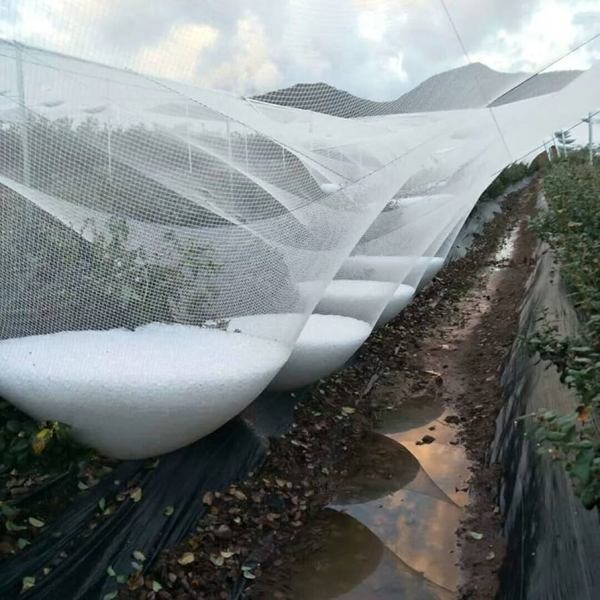
Anti-Tear Storm Safe Orchard HDPE Hail Protection Net
The 4×7mm reinforced mesh structure, crafted from high-tenacity 0.35mm HDPE monofilament, delivers exceptional tear resistance and consistent impact dispersion against hail strikes, ensuring long-term protection for orchards exposed to seasonal storms.
Finally, not all threats are biological. The environment itself can be an adversary. A sudden hailstorm can shred tender lettuce leaves and bruise fruit in minutes. Strong winds can snap stems and desiccate plants. In hotter climates or during peak summer months, intense solar radiation can cause sun scorch on sensitive crops like peppers, tomatoes, and leafy greens.
In these scenarios, netting serves a different, more nuanced purpose. A properly installed net can act as a physical buffer, dissipating the force of hailstones and reducing wind speed, creating a calmer microclimate around the plants. Specialized shade netting, which is classified by the percentage of light it blocks, is an indispensable tool for preventing sun scorch, cooling the soil, and reducing water evaporation. The choice here is not about pest size, but about managing environmental energy—light, wind, and kinetic force.
The Principle of Exclusion: Correlating Mesh Size with Pest Anatomy
Once the primary threat has been identified, the selection process moves to its most technical aspect: choosing the appropriate mesh size. The concept is simple, known as the principle of physical exclusion. The openings in the net must be smaller than the body of the pest you intend to block. This seems self-evident, yet it is the most common point of failure in garden protection strategies.
A gardener who invests in a 1-inch mesh net to protect their cabbages from cabbage white butterflies will be sorely disappointed. The butterfly will pass through the holes with ease, lay its eggs, and the resulting caterpillars will decimate the crop. The netting, despite being perfectly installed, will have failed because its core specification was mismatched to the pest.
A Taxonomy of Mesh: Defining Mesh Size
Mesh size is typically measured in one of two ways: as the length of one side of a square hole (e.g., 15mm or 3/4 inch) or by the number of threads per inch. For the purpose of garden netting, the former is more common. It is a direct, intuitive measurement of the opening a pest must pass through. When you see a product described as “20mm netting,” it means the holes are approximately 20 millimeters by 20 millimeters. It is vital to think in these precise terms. Vague descriptions like “bird netting” or “deer fence” are starting points, but the mesh measurement is the specification that truly matters.

Consider the pest’s physical dimensions—not just its body width, but its ability to squeeze and contort. A flexible insect or a small bird can often get through an opening that appears, at first glance, to be too small.
Large Mesh Netting (20mm to 50mm / ~0.8 to 2 inches): For Birds and Large Mammals
Netting with a mesh size in the range of 20mm to 50mm is the standard for deterring most common garden birds. A 20-25mm (approximately 3/4 to 1 inch) mesh is an excellent all-purpose choice for protecting fruit trees, berry bushes, and vegetable patches from a wide range of birds, from medium-sized blackbirds to larger pigeons and crows. It is large enough to allow excellent light penetration and airflow, and it permits smaller, beneficial insects—including crucial pollinators like bees—to pass through unimpeded.

For larger animals, particularly deer, the mesh size is less of a concern than the overall strength and height of the netting. Deer netting often has a larger mesh, perhaps 50mm x 50mm or even larger, because the goal is not to block a small body but to create a visible, impassable vertical barrier. The strength of the material, often a thick, black polypropylene, becomes the most salient feature.
Medium Mesh Netting (10mm to 15mm / ~0.4 to 0.6 inches): For Small Birds and Large Insects
When the primary culprits are smaller birds like sparrows and finches, or if you are concerned with large insects like cabbage white butterflies, a medium-sized mesh is required. Netting in the 10mm to 15mm range effectively closes the gaps that smaller birds can exploit. This size is also the first line of defense against the largest and most common insect pests. It will successfully exclude cabbage moths, preventing them from laying eggs on your brassicas.

It will also block grasshoppers and other large flying insects. However, a mesh of this size will still allow many smaller insects, both harmful (like aphids) and beneficial, to pass through. It represents a compromise, offering targeted protection without creating a fully sealed environment.
Fine Mesh Netting (less than 1.5mm): The Insect Barrier
To combat the smallest pests, one must employ a much finer barrier. Insect netting, with a mesh size typically ranging from 0.4mm to 1.5mm, is designed for this purpose. The choice within this range depends entirely on the target pest.
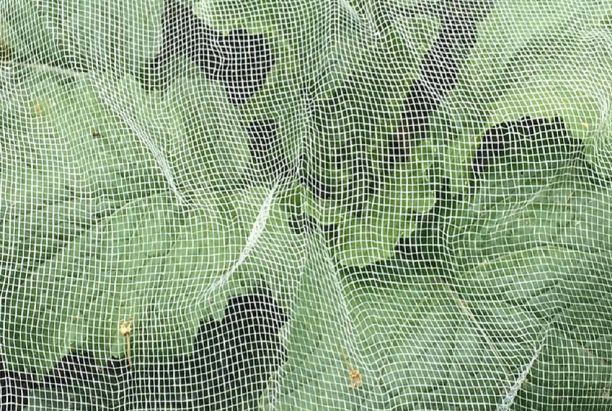
- 1.3-1.5mm mesh: This is often sold as “cabbage root fly netting” or “carrot fly netting.” It is fine enough to block these specific pests, which are a major problem for brassica and carrot growers.
- 0.8mm mesh: This finer weave offers protection against flea beetles, which can riddle the leaves of eggplants, potatoes, and radishes with tiny “shot holes.”
- 0.4-0.6mm mesh: This is the realm of all-purpose vegetable netting or micromesh. It is designed to exclude a very broad spectrum of pests, including aphids and whiteflies.
- <0.4mm mesh: The finest meshes, often around 0.25mm, are used in professional horticulture to exclude even the tiniest pests like thrips.
Choosing to use such a fine mesh is a significant decision. While it offers the highest level of pest protection, it also has the greatest impact on the microclimate. It will reduce light transmission and, most significantly, restrict airflow.

This can lead to higher temperatures and humidity under the net, which may increase the risk of fungal diseases if not managed properly. Furthermore, it creates an absolute barrier to all pollinating insects, making it unsuitable for crops that require insect pollination unless the netting is removed during the flowering period.
| Pest Category | Common Examples | Recommended Mesh Size (Approximate) | Primary Crops Affected | Примечания |
|---|---|---|---|---|
| Large Mammals | Deer, Large Dogs | 50mm x 70mm or larger | Trees, Shrubs, General Garden | Strength and height (minimum 2m/7ft) are more vital than mesh size. |
| Крупные птицы | Pigeons, Crows, Jays | 25mm – 50mm (1″ – 2″) | Fruit Trees, Corn, Pea Seedlings | A strong visual deterrent. |
| Medium/Small Birds | Starlings, Blackbirds, Sparrows | 15mm – 25mm (0.6″ – 1″) | Berries, Cherries, Grapes | Must be securely fastened to prevent entry from below. |
| Small Mammals | Rabbits, Squirrels, Raccoons | < 25mm (< 1″) | Low-growing Vegetables, Young Trees | Material must be chew-resistant. Securing the bottom edge is key. |
| Large Insects | Cabbage White Butterfly, Moths | 8mm – 10mm (0.3″ – 0.4″) | Brassicas (Cabbage, Broccoli) | Prevents egg-laying on host plants. |
| Medium Insects | Carrot Rust Fly, Cabbage Root Fly | 1.3mm – 1.5mm (0.05″) | Carrots, Parsnips, Brassicas | Must be installed before pests emerge and sealed at the soil line. |
| Small Insects | Flea Beetles, Aphids, Whiteflies | 0.6mm – 0.8mm (0.02″ – 0.03″) | Leafy Greens, Eggplant, Tomatoes | Reduces airflow; monitor for heat and humidity buildup. |
| Very Small Insects | Thrips | < 0.4mm (< 0.015″) | Flowers, Onions, Peppers | Primarily for professional use. Blocks almost all airflow and pollinators. |
Material Science for the Gardener: An Examination of Netting Composition
The mesh size defines what a net excludes, but the material it is made from defines its strength, its lifespan, and its behavior in a garden setting. A net is not just a grid of holes; it is a textile engineered to withstand sun, rain, wind, and physical stress. For a gardener, understanding the basic properties of the common polymers used in netting production is as useful as understanding the difference between sand, silt, and clay in soil. The choice of material impacts not only the initial cost but also the long-term value and sustainability of the investment.
Many modern netting solutions, particularly those from specialized manufacturers, are designed for multi-season use, making the initial material choice a significant long-term decision. For those seeking specific durability or flexibility characteristics, exploring options from a supplier of customizable netting solutions can provide a product tailored precisely to their environmental conditions.
Polypropylene (PP): The Versatile Workhorse
Polypropylene is one of the most common materials used for garden netting, especially for general-purpose bird netting. It is lightweight, flexible, and relatively inexpensive. Its flexibility makes it easy to drape directly over plants or frames without causing much damage to delicate foliage. Imagine it as a soft, pliable fabric that can conform to the shape of a blueberry bush or a row of lettuce.
However, polypropylene’s primary weakness is its moderate resistance to ultraviolet (UV) radiation from the sun. Unstabilized polypropylene will become brittle and break down after just one or two seasons of exposure to strong sunlight. For this reason, most reputable netting products made from PP are treated with UV inhibitors during the manufacturing process. When purchasing polypropylene netting, it is vital to confirm that it is “UV-stabilized.” Even with stabilization, PP netting typically has a shorter lifespan than its polyethylene counterpart, often lasting 3 to 5 years depending on the climate and the quality of the UV treatment. Its lower cost makes it an excellent choice for temporary applications or for gardeners on a tighter budget who are willing to replace it more frequently.
High-Density Polyethylene (HDPE): The Durable Defender
High-Density Polyethylene is the material of choice for durable, long-lasting garden netting. It is inherently more resistant to UV degradation than polypropylene. HDPE netting is stiffer and has a more plastic-like feel. Think of the difference between a soft fabric shopping bag (closer to PP) and a rigid plastic milk jug (made of HDPE). This stiffness means it is less likely to stretch or sag over time, making it ideal for permanent structures like fruit cages or long-term enclosures for fruit trees.
HDPE can be manufactured in two main ways: knitted or extruded. Knitted HDPE netting is made from a single filament knitted together, which results in a soft, strong, and tear-resistant fabric. If a hole is punctured in knitted netting, it will not unravel. Extruded HDPE netting is made by forcing molten plastic through a die to create a grid. It is generally more rigid and can be more susceptible to tearing along the grid lines if damaged. For most horticultural applications, knitted HDPE offers a superior combination of strength and handling. While its initial cost is higher than polypropylene, its extended lifespan—often 7 to 10 years or more—can make it the more economical choice in the long run.
Nylon: Strength with a Cost
Nylon is another polymer used for netting, prized for its exceptional strength-to-weight ratio. It is stronger and more abrasion-resistant than either PP or HDPE. You might encounter it in heavy-duty applications, such as commercial fishing nets or cargo nets, which gives you a sense of its robustness. In the garden, its strength makes it a potential choice for very large structures or in areas with high winds where the netting is under constant tension.
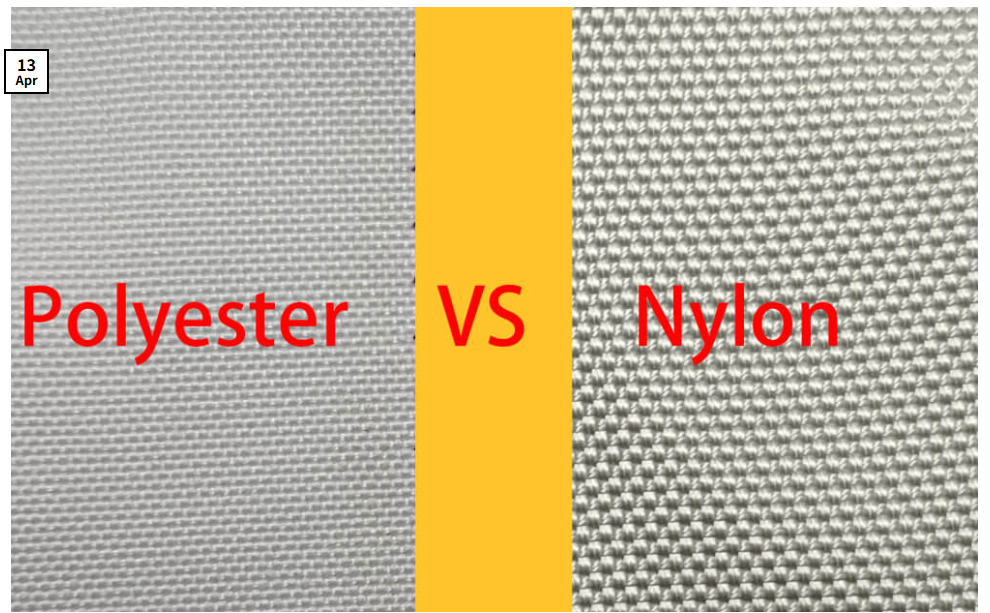
The significant disadvantages of nylon for horticultural use are its cost and its tendency to absorb water. It is considerably more expensive than polyethylene or polypropylene. When it absorbs moisture, it can stretch and sag, and then shrink as it dries, putting stress on both the netting and its support structure. It also has only moderate UV resistance unless specifically treated, which adds further to the cost. For these reasons, while an excellent material in its own right, nylon is less common and often not the most practical choice for the average garden compared to high-quality, UV-stabilized HDPE.
Bioplastics and Natural Fibers: The Ecological Consideration
In recent years, there has been growing interest in biodegradable or compostable alternatives to petroleum-based plastics. Netting made from materials like Polylactic Acid (PLA), a plastic derived from corn starch, is beginning to appear on the market. These products offer the advantage of breaking down in an industrial composting facility at the end of their life, reducing plastic waste. Jute or cotton fibers can also be used to create simple, temporary netting.
However, gardeners must approach these options with a clear understanding of their limitations. The very property that makes them ecologically attractive—their ability to biodegrade—is also their primary functional weakness. They have a very short lifespan, often lasting only a single season. They are also weaker and more susceptible to tearing than their synthetic counterparts. For a gardener needing to protect a crop for only a few weeks, a biodegradable net might be a viable choice. But for protecting a perennial fruit bush or for any situation requiring multi-season durability, a long-lasting, UV-stabilized synthetic material like HDPE currently offers a more practical and, over its longer lifespan, arguably more resource-efficient solution. The key is to choose a durable product, use it for as many years as possible, and then dispose of it responsibly.
| Material | Durability / Lifespan | Устойчивость к ультрафиолетовому излучению | Flexibility | Cost | Best Use Cases |
|---|---|---|---|---|---|
| Polypropylene (PP) | Moderate (3-5 years) | Moderate (requires UV stabilizers) | Высокий | Низкий | Draping over annual crops, temporary structures, budget-conscious applications. |
| High-Density Polyethylene (HDPE) | High (7-10+ years) | High (inherently resistant) | Moderate to Low (stiffer) | Medium | Permanent fruit cages, long-term tree protection, high-wind areas. |
| Нейлон | Очень высокий | Moderate (requires treatment) | Высокий | Высокий | Heavy-duty applications, very large spans where strength is paramount. |
| Полиэстер | Высокий | Очень высокий | Умеренный | Medium-High | Shade cloth, applications requiring maximum UV stability and low stretch. |
| Bioplastics (e.g., PLA) | Low (1 season) | Низкий | Высокий | Medium | Single-season use where biodegradability is the top priority. |
| Natural Fibers (e.g., Jute) | Very Low (<1 season) | Very Low | Высокий | Низкий | Trellising, very short-term, temporary exclusion for fast-growing plants. |
A Crop-Centric Approach: Adapting Netting to Plant Architecture
The final piece of the selection puzzle is the plant itself. A successful netting strategy must accommodate the physical form, growth habit, and specific needs of the crop it is designed to protect. A solution that works perfectly for a low-growing strawberry patch will be entirely inappropriate for a sprawling apple tree or a climbing pea vine. The netting and its support system must work in harmony with the plant’s natural architecture, providing protection without impeding growth, compromising plant health, or making harvesting an impossible chore. The ideal approach is one that anticipates the plant’s final size and shape, creating a protective envelope that the crop can grow into, rather than one that constricts it.
Low-Growing Crops: Berries and Leafy Greens
Crops that grow close to the ground, such as strawberries, lettuce, spinach, and bush beans, are often the easiest to protect. The most common method is direct draping. A lightweight, flexible netting, like UV-stabilized polypropylene bird netting or fine insect mesh, can be laid directly over the plants. For very delicate crops like young lettuce, it is wise to provide some minimal support to keep the netting from weighing on the leaves. Simple, low hoops made from wire or PVC pipe can be placed every few feet along the row, creating a low tunnel. The netting is then draped over these hoops, creating a protected space.
The most vital step for these crops is securing the edges of the netting. Birds, rabbits, and crawling insects will quickly find any gap. The edges of the net must be in complete contact with the ground and weighted down. Soil, rocks, bricks, or specialized ground staples can be used to create a continuous seal. For a strawberry patch, this means ensuring the netting extends beyond the plant rows on all sides and is firmly anchored.
Vining and Climbing Plants: Peas, Beans, Cucumbers
Vining plants that are grown on trellises, such as peas, pole beans, and cucumbers, require a different approach. Draping a net over a trellis that is already covered in vines is difficult and can damage the plants. Instead, the netting should be integrated with the support structure itself. One effective method is to build a simple A-frame or box frame around the trellis and stretch the netting over the frame before the plants have begun to climb significantly.

This creates a protected cage that the vines can grow within. It is important to ensure the chosen mesh size allows you to reach through for harvesting, or to design the structure with a movable panel or door for access. For crops that require pollination, like cucumbers, this presents a challenge. You might choose a bird netting that allows bees to pass through, or if using a fine insect mesh, you would need to open the enclosure for a few hours each day during the flowering period to allow pollinators access—a labor-intensive but effective solution.
Fruit Trees and Bushes: Apples, Cherries, Blueberries
Protecting individual trees and large bushes is perhaps the most demanding application for garden netting. For a single, manageable blueberry bush, it may be possible to drape a large net over the entire plant and cinch it around the base of the trunk. This must be done carefully to avoid breaking branches, and the netting must be gathered and tied securely at the bottom to prevent birds from hopping underneath.

For larger trees, such as cherries or apples, or for entire rows of raspberries, a permanent or semi-permanent frame structure is the most reliable solution. This is often called a fruit cage. These cages can be constructed from wood or metal poles, with netting stretched taut to form the walls and roof. A well-built fruit cage is a significant investment, so using a durable, long-lasting material like high-quality knitted HDPE is the most sensible choice. The structure should be tall enough to allow you to walk and work comfortably inside and should include a proper door for easy access. While the upfront cost and labor are considerable, a fruit cage provides near-total protection and can last for a decade or more, guaranteeing a harvest of unblemished fruit year after year.
Delicate Seedlings and Transplants: The Need for Gentle Protection
Newly germinated seedlings and recent transplants are at their most vulnerable. They are a favored target for a wide range of pests, from slugs and snails to birds and flea beetles. At this stage, the netting serves not only as a pest barrier but also as a way to create a gentle microclimate that shelters the young plants from harsh sun, wind, and heavy rain.
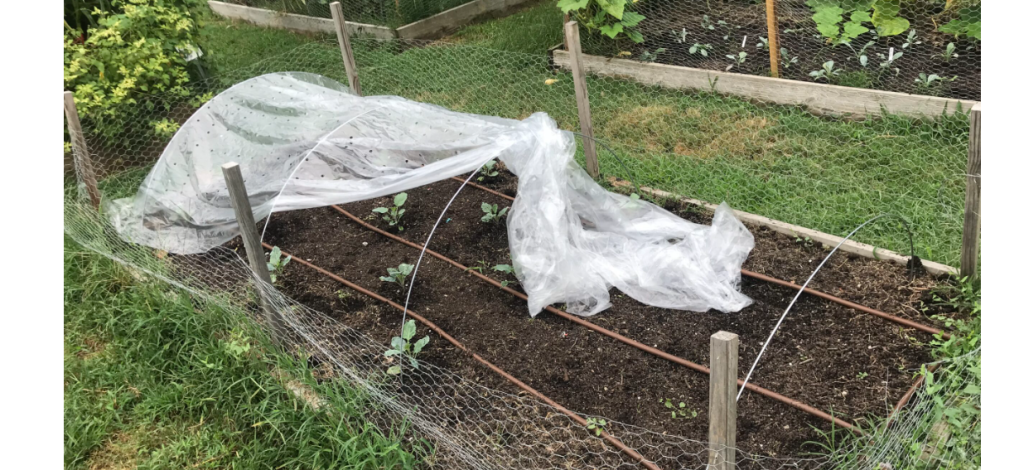
Low tunnels made with hoops and covered with a fine insect mesh are an ideal solution. The mesh keeps out almost all pests while still allowing good light and water penetration. The structure lifts the material off the delicate seedlings, preventing physical damage. This method is particularly effective for getting brassica, carrot, and spinach seedlings through their vulnerable early weeks. Once the plants are larger and more robust, the covers can be removed or replaced with a larger-mesh bird net if needed. It is a transitional strategy, providing intensive care during the plant’s infancy.
Advanced Considerations for Optimized Garden Protection
Mastering the fundamentals of pest identification, mesh size, material, and installation will solve the vast majority of garden protection challenges. However, for the gardener seeking to further refine their approach and optimize their system, there are several advanced concepts to consider. These elements move beyond simple exclusion and into a more holistic understanding of how netting interacts with the garden ecosystem.

They involve manipulating light, managing beneficial insects, and integrating netting into a broader pest management philosophy. Thinking about these factors can elevate a functional netting system into a truly high-performance one.
The Role of Color: How Netting Color Affects Plants and Pests
While it may seem like a purely aesthetic choice, the color of garden netting can have tangible effects. The most common colors are black, white, and green.
- Black Netting: Black is the most popular color for several reasons. It is the most neutral in terms of light transmission, meaning it does not filter specific wavelengths of light. From a human visual perspective, black netting is the least obtrusive; it tends to “disappear” against the background, allowing for a clearer view of the plants inside. The carbon black pigment used to create the color is also an excellent UV stabilizer, which contributes to the longevity of black HDPE and PP netting.
- White Netting: White netting reflects more light than black netting. This can be both an advantage and a disadvantage. In very hot, sunny climates, the reflective quality of white netting can help to slightly reduce the temperature and light intensity underneath, functioning as a very light shade cloth. This can be beneficial for sensitive crops. However, it can also create more diffuse light, which may slightly alter plant growth. Visually, white netting is much more prominent in the landscape.
- Green Netting: Green netting is often chosen with the idea that it will blend in with the garden foliage. While it does this to some extent, it can be quite visible. More importantly, from a plant science perspective, green netting absorbs red and blue light—the primary wavelengths plants use for photosynthesis—and reflects green light. This can potentially have a minor negative impact on plant growth compared to a spectrally neutral black net.
For most general purposes, black netting is the superior choice due to its visual subtlety and excellent UV stability. White can be a strategic choice in hot climates, but its visual impact is a consideration.
Balancing Protection with Pollination: A Gardener’s Dilemma
One of the greatest challenges in using garden netting is protecting crops without excluding essential pollinators. Many of our most beloved crops—cucumbers, squash, melons, many fruits—are entirely dependent on bees, hoverflies, and other insects to transfer pollen and produce fruit.

The conflict arises when the pest you need to exclude is similar in size to the pollinator you need to admit. For example, if you are trying to block squash vine borers (a type of moth) from your zucchini plants, you will almost certainly need a mesh fine enough to also block bees.
There are several strategies to navigate this dilemma:
- Choose a Selective Mesh: If your primary pest is a bird, use a large-mesh bird net (25mm or larger) that allows all but the largest bees to pass through freely.
- Hand Pollination: For some crops, like squash or cucumbers, it is feasible to hand-pollinate. This involves using a small brush to transfer pollen from male flowers to female flowers. It is labor-intensive but allows you to keep the plants under fine mesh for their entire lifecycle.
- Timed Removal: This is the most common strategy. Keep the plants covered with fine mesh during their vulnerable early growth stages. When you see the first flowers begin to form, remove the netting during the day (when pollinators are most active) and replace it in the evening. Or, remove it entirely for the flowering period, accepting a higher risk of pest damage in exchange for pollination.
There is no single perfect solution. The right choice depends on the crop, the pest pressure, and the amount of labor you are willing to invest.
The Economic Calculation: Cost vs. Benefit Over Time
Garden netting is an investment, and it is worth performing a simple economic analysis. The calculation involves more than just the initial purchase price. A cheap, non-UV-stabilized net that costs $20 but must be replaced every year is more expensive in the long run than a durable, UV-stabilized HDPE net that costs $80 but lasts for ten years. The true cost is the “cost per season of use.”
Beyond the cost of the material, one must consider the value of the crop being protected. If a $100 investment in a well-built fruit cage for your cherry trees prevents birds from destroying a harvest worth $200 each year, the return on investment is immediate and substantial. For a commercial grower, this calculation is straightforward. For a home gardener, the “value” might also include the satisfaction of harvesting pristine, homegrown produce. The labor involved in installation and removal is another factor. A permanent, well-designed structure may require more upfront work but save countless hours of seasonal effort over its lifetime.
Thoughtful consideration of these factors ensures that your investment in crop protection is both effective and economically sound. When planning a larger project, obtaining quotes for specific dimensions and materials, such as those available for сельскохозяйственная сетка для птиц, can help in making a precise financial calculation.
Часто задаваемые вопросы
1. Can I leave garden netting on all year round? For permanent structures like fruit cages made from durable, UV-stabilized HDPE, yes, the netting can be left on year-round. For nets draped over annual vegetable beds, it is best to remove them at the end of the season. This allows you to cultivate the soil, add amendments, and it protects the netting from unnecessary wear and tear, especially from snow load in winter, which can stretch or break it.
2. Will garden netting harm birds or other wildlife? Improperly installed netting can pose a risk. The key to preventing entanglement is to ensure the netting is pulled taut. Loose, baggy netting can trap birds and other animals. Always stretch the net tightly over frames or support structures. For draped applications, ensure there are no loose folds, and securely anchor all edges to the ground. Regularly check your nets for any trapped animals.
3. How do I choose a net that stops cabbage butterflies but lets bees in? This is a classic pollinator dilemma. A mesh fine enough to stop a cabbage butterfly (around 8-10mm) will also exclude most bumblebees, though some smaller solitary bees and hoverflies might get through. The most practical solution for pollinator-dependent crops is timed covering: keep the plants covered until they begin to flower, then uncover them during the day to allow pollination. For crops like cabbages that do not require pollination to produce a harvest, you can leave the fine mesh on for the entire season.

4. What is the best way to secure netting to the ground? The goal is to create an unbroken seal. You can bury the edges of the netting in a shallow trench and cover them with soil. Alternatively, lay the edges flat on the ground and secure them with U-shaped ground staples, bricks, stones, or lengths of wood. The method you choose should be effective enough to prevent pests from crawling or burrowing underneath.
5. Can I use the same netting for all my different plants? While you might be able to use one type of netting for multiple purposes, it is often not the most effective approach. A 25mm bird net for your blueberries will do nothing to stop carrot rust flies on your carrots. The best strategy is to own at least two types of netting: a general-purpose bird net (15-25mm mesh) for fruit and a fine insect mesh (around 1.3mm) for vegetables like carrots and cabbages. This allows you to apply the correct level of protection where it is needed.
6. How does the color of the netting affect my plants? Black netting is generally preferred as it is visually less obtrusive and the carbon black pigment provides excellent UV protection. White netting reflects light and can help keep plants slightly cooler in very hot climates. Green netting can selectively filter light wavelengths needed for photosynthesis, though the effect is usually minor. For most applications, black is the most reliable and effective choice.
7. How much bigger should the net be than the plant or area I’m covering? Always buy a net that is significantly larger than the area you intend to cover. For draping over a bush or tree, you need enough material to reach the ground on all sides and be gathered at the trunk. For covering a raised bed with hoops, measure the length of the bed plus the distance over the hoop from ground to ground, adding extra for securing the ends. It is always better to have too much netting than too little.
8. My insect netting seems to make it very hot underneath. Is that normal? Yes, fine insect mesh significantly reduces airflow. This can cause heat and humidity to build up, creating a greenhouse-like effect. While this can be beneficial in early spring, it can stress plants in mid-summer. If you notice wilting or signs of fungal disease, you may need to improve ventilation by lifting the sides on calm days or choosing a mesh with slightly better airflow if your target pest allows.
The act of protecting a garden with netting is a thoughtful dialogue between the gardener, the plant, and the surrounding environment. It moves beyond a simple physical barrier to become a nuanced application of ecological and material knowledge. The process begins not with a purchase, but with observation—a careful study of the specific adversaries that threaten the harvest. This diagnosis informs the critical choice of mesh size, the single most important factor in the principle of physical exclusion. From there, a consideration of material properties guides the selection of a textile that can endure the rigors of sun, wind, and rain for seasons to come.
Finally, the chosen netting must be deployed in a manner that respects the architecture of the plant, protecting it without confining it. By systematically addressing these interconnected factors—pest, mesh, material, and crop—a gardener can transform a simple net into a powerful tool, ensuring that the labor and care invested in the soil yield a full and unblemished bounty.

Читайте наши самые популярные статьи.
👉 Загрузите наши бесплатные категории продуктов
👉 Greenhouse Netting 101: A Comprehensive Guide for Commercial Growers
👉 The Ultimate Guide to Installing Anti-Insect Nets in Greenhouses
👉 Pest-Proofing Your Orchard: An Integrated Netting Approach for 2026
👉 Практическое руководство покупателя: ПНД против нейлона: Сравнение материалов для садовой сетки
👉 The Ultimate Guide To Choosing Garden Netting: Pest, Material, and Crop Considerations
👉 Как начать сетевой бизнес под частной маркой: 5-этапная схема работы
👉 Китайское производство против местных поставщиков: Руководство для покупателей сетки