
The prolonged service life of sports netting is profoundly contingent upon its resilience to environmental stressors, particularly ultraviolet (UV) radiation.
This article examines the mechanisms of polymer photodegradation, a process where UV light initiates chemical changes that compromise the material integrity of netting fibers, leading to reduced tensile strength, brittleness, discoloration, plus eventual failure. An exposition of the primary categories of UV stabilizers—UV absorbers (UVAs) with Hindered Amine Light Stabilizers (HALS)—is presented, elucidating their distinct yet complementary protective functions. UVAs operate by absorbing harmful radiation dissipating it as heat, while HALS actively neutralize the free radicals generated during photo-oxidation.
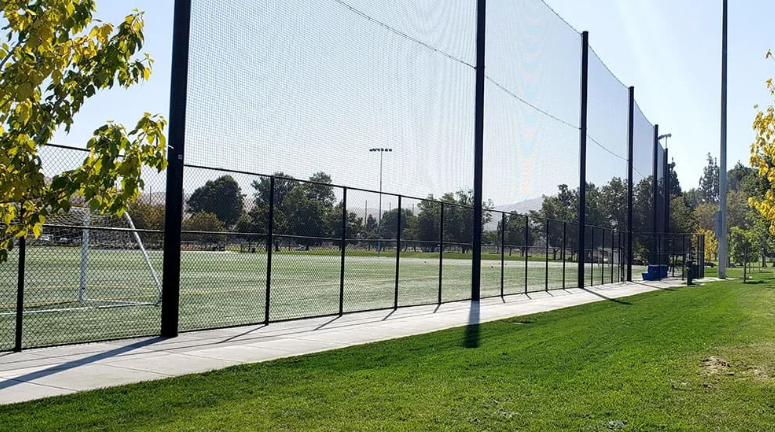
The selection of an appropriate stabilizer package is shown to be dependent on the base polymer (e.g., HDPE, nylon, polyester), the intended application, plus the specific environmental conditions of the installation site.
For procurement managers and facility operators, understanding these principles is foundational for specifying netting that meets long-term safety, performance, also financial objectives, thereby mitigating risks associated with premature material failure.
Principaux enseignements
- Ask suppliers for the specific type plus concentration of UV stabilizers in sports netting.
- Verify UV protection quality through third-party test reports like SGS or TUV.
- Prioritize netting made with a combination of HALS plus UVA stabilizers for superior longevity.
- Understand that polymer type, like HDPE or Nylon, affects a net’s inherent UV resistance.
- Inquire about accelerated weathering test data to predict long-term durability.
- Regularly inspect netting for signs of UV damage such as chalking or brittleness.
Why is UV Degradation the Silent Threat to My Sports Netting?
Imagine a brand-new golf driving range net, pristine, strong, standing as a formidable barrier. Now, picture that same net a few years later. It might appear faded, perhaps a bit saggy. A well-hit golf ball, which once would have been stopped effortlessly, now rips through the mesh. What happened? The culprit is often an invisible force: ultraviolet radiation from the sun. The process, known as photodegradation, is a relentless assault on the very molecular structure of the netting material.
For a procurement manager like Robert in Canada, whose business relies on the safety plus durability of sports facilities, understanding this threat is the first step toward making a sound investment. A net that fails prematurely not only incurs replacement costs but also poses a significant safety hazard, potentially leading to property damage or injury.
The Science of Sunlight: How Polymers Break Down
To grasp the nature of this threat, we must look at the netting material on a microscopic level. Most sports nets are made from polymers, which are long chains of repeating molecules, like a string of countless microscopic beads. Materials such as High-Density Polyethylene (HDPE) or Nylon are chosen for their initial strength, flexibility, also low cost. However, their organic chemical bonds are vulnerable.
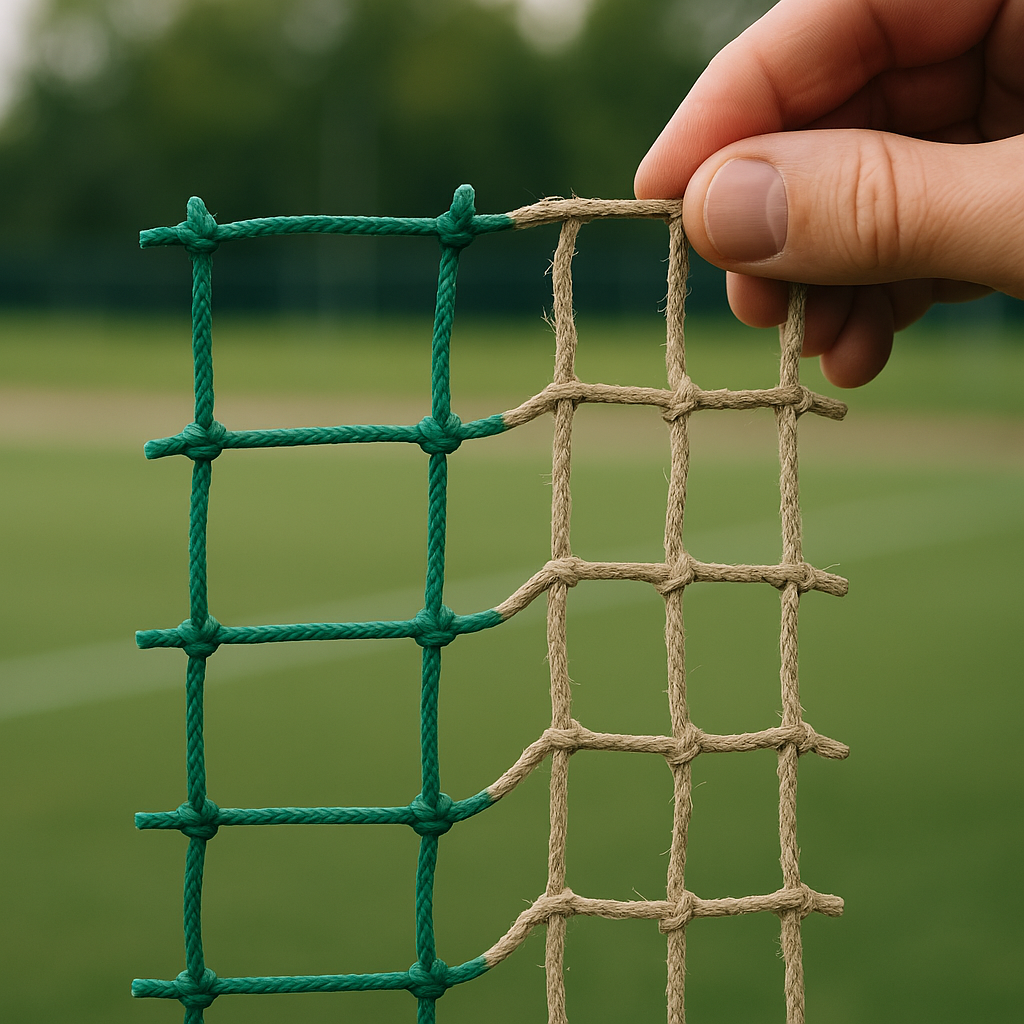
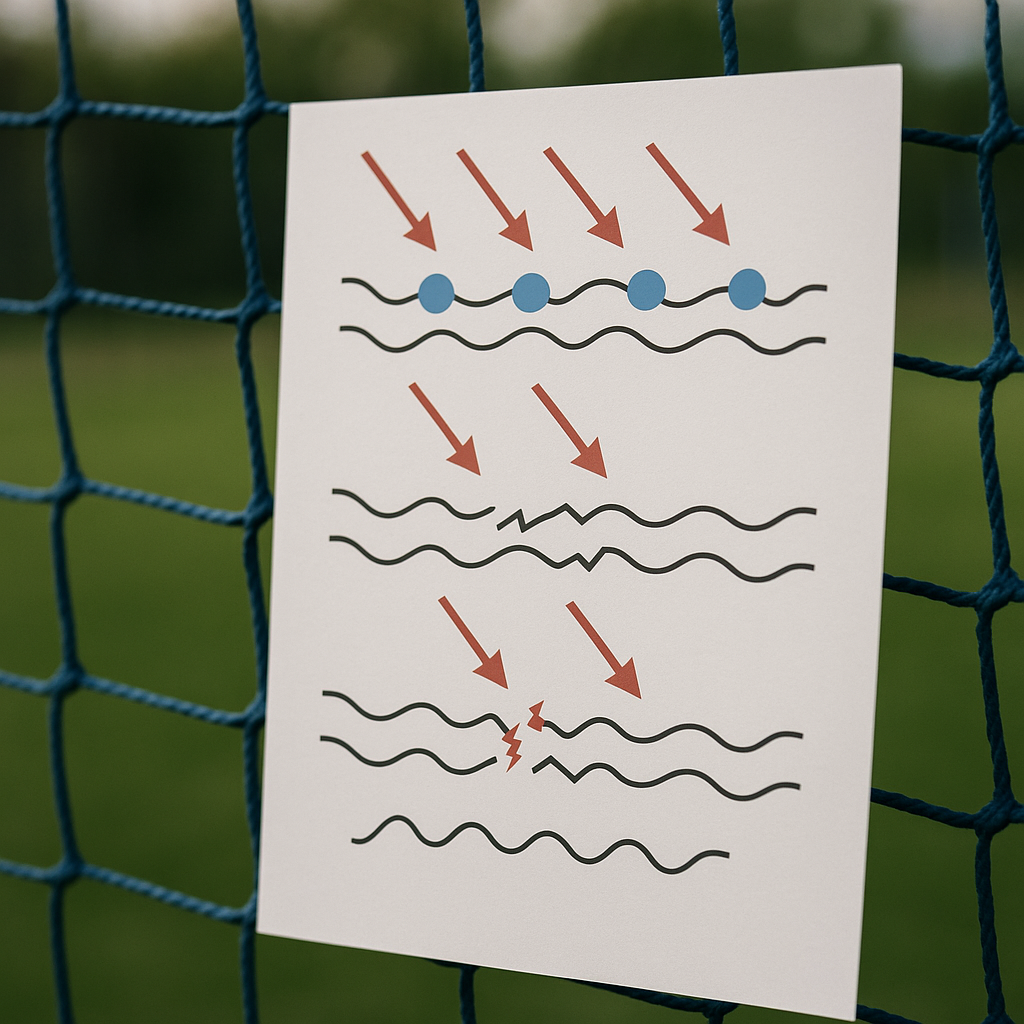
Sunlight, specifically the non-visible UV portion of the spectrum, carries high-energy photons (Gerard, 2020). Think of these photons as tiny, energetic projectiles. When they strike a polymer chain, they can transfer enough energy to break a chemical bond. This breakage creates highly reactive, unstable entities called free radicals. These free radicals then initiate a chain reaction, attacking neighboring polymer chains, causing more bonds to break. Oxygen in the atmosphere greatly accelerates this destructive cascade, a process called photo-oxidation. The result is a systematic dismantling of the polymer’s long-chain structure. The chains become shorter, the material becomes more crystalline, also its physical properties are irrevocably compromised.
Visible Symptoms of UV Damage: From Color Fading to Catastrophic Failure
The molecular-level damage eventually manifests in ways that are easily observable. Recognizing these signs is vital for proactive maintenance with replacement planning.
- Discoloration and Fading: One of the earliest signs is a loss of color. The pigments used to color the netting are often the first components to be broken down by UV radiation. A once-vibrant green or black net may turn a pale, washed-out shade.
- Chalking: As the surface of the polymer degrades, a fine, powdery residue can form. If you run your hand over an old, sun-exposed net with feel a chalky substance, you are touching the broken-down remnants of the polymer binder. This is a clear indicator that the structural integrity has begun to decline.
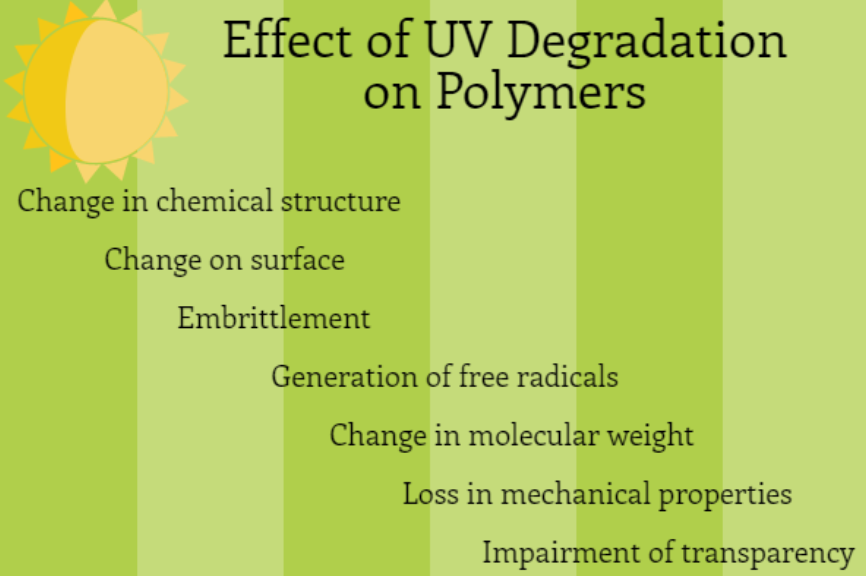
- Brittleness and Loss of Strength: This is the most dangerous symptom. The shortening of the polymer chains, as described earlier, directly translates to a loss of tensile strength also flexibility. The netting becomes brittle. A force that it could once easily absorb, like the impact of a baseball or the tension from wind, will cause the fibers to snap rather than stretch. This loss of impact strength is what leads to catastrophic failure (Gerard, 2020).
The Financial Impact of Premature Net Replacement
For a business supplying golf courses or sports centers, the financial equation extends beyond the initial purchase price.
A net that must be replaced every three years instead of every seven or eight represents a significant long-term expense.
Consider the costs: the price of the new netting, the expense of labor for removal with installation, also the potential revenue loss if a facility must close during the replacement. A procurement manager who prioritizes a low initial cost without scrutinizing the product’s UV resistance may find themselves facing frequent, expensive replacement cycles.
The total cost of ownership, not just the upfront price, is the true metric of value. Investing in netting with superior UV protection, even at a slightly higher initial cost, yields substantial savings over the lifespan of the facility.
What Are UV Stabilizers and How Do They Function?
If UV radiation is the attacker, then UV stabilizers are the defense system embedded within the polymer. These are chemical additives blended with the base polymer resin before it is extruded into fibers. Their sole purpose is to interfere with the process of photodegradation.
Without them, most common polymers used in outdoor applications would fail in a remarkably short period. The science behind these additives is sophisticated, with different types of stabilizers employing distinct strategies to protect the material.
Broadly, they fall into two main families: UV absorbers with Hindered Amine Light Stabilizers, often referred to as UVAs also HALS. A comprehensive protection strategy often involves using them in concert, as their mechanisms are synergistic.
The Shield: Understanding UV Absorbers (UVAs)
The first line of defense is the UV absorber. As the name suggests, these compounds function by absorbing incident UV radiation.
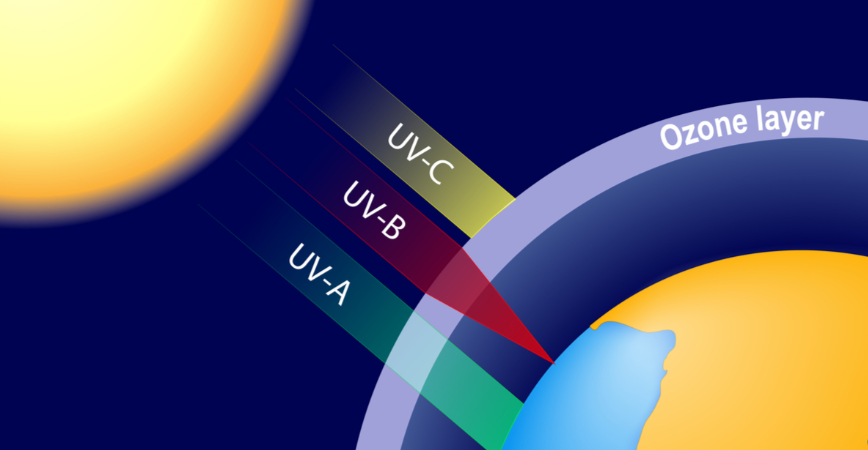
Think of them as a microscopic version of sunscreen for the plastic. They are designed to preferentially absorb energy in the harmful UV wavelength range (approximately 290-400 nm). Once they absorb a high-energy UV photon, their molecular structure allows them to dissipate this energy harmlessly as low-level heat, before it has a chance to strike also break a polymer bond.
This mechanism is highly effective, especially for protecting the layers of material just beneath the surface. However, their effectiveness can diminish over time. They are sacrificial agents; they can only absorb so much energy before their own chemical structure breaks down. Also, they are most effective in thicker products, as their ability to protect the material underneath depends on blocking the UV light, a principle known as the Beer-Lambert law.
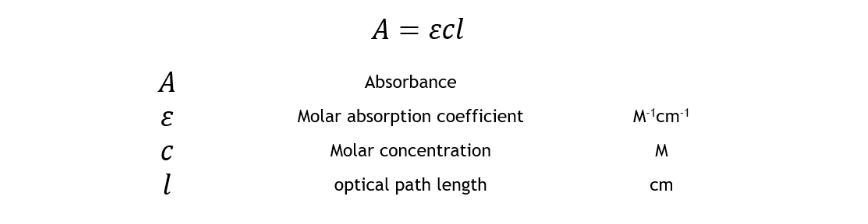
In very thin fibers, like those in some netting, there may not be enough material thickness for the UVA to be fully effective on its own.
The Scavenger: How Hindered Amine Light Stabilizers (HALS) Work
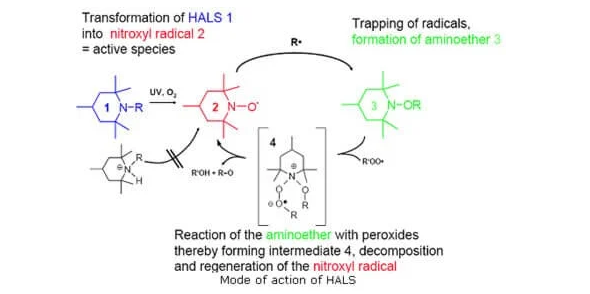
Where UVAs act as a shield, HALS function as a vigilant clean-up crew or a radical scavenger. HALS do not absorb UV radiation. Instead, they address the problem one step further down the degradation cascade. Their mechanism is a cyclical chemical process that neutralizes the free radicals created when a UV photon manages to break a polymer bond (Xanthopoulos, 2025).
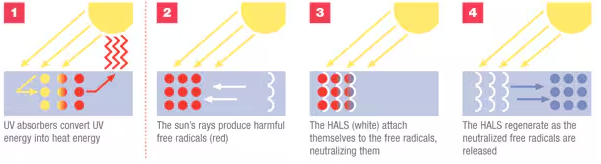
When a free radical is formed in the polymer, a HALS molecule donates an atom to “cap” or stabilize it, preventing it from attacking other polymer chains. The beauty of the HALS mechanism is its regenerative nature. After neutralizing a free radical, the HALS molecule is reformed, ready to scavenge another one.
This cycle can repeat itself hundreds or even thousands of times, making HALS extremely efficient even at very low concentrations. They are not sacrificial in the same way UVAs are, which gives them exceptional long-term protective power. They are particularly effective at protecting the surface of the material, where the UV exposure is most intense.
A Synergistic Approach: Combining UVAs with HALS for Maximum Protection
The most advanced—also effective—approach to UV stabilization involves using a combination of UVAs plus HALS. This creates a multi-layered defense system that is far more robust than either type could provide alone.
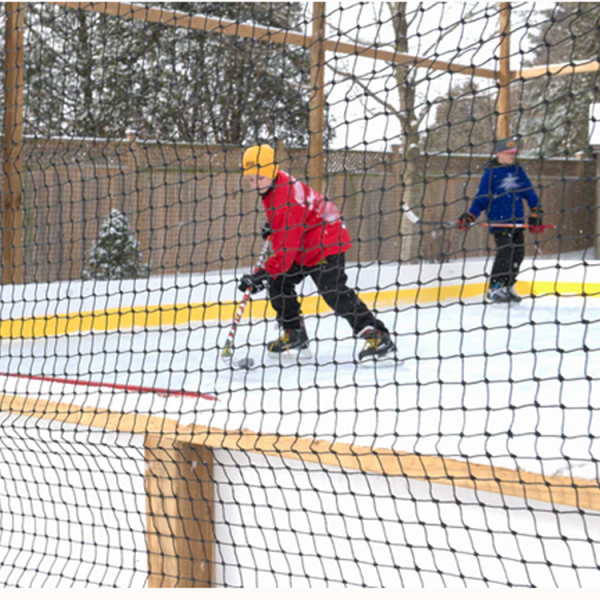
Polyester Ice Hockey Barrier Net is engineered with advanced materials and precision manufacturing to deliver superior impact strength, stability, and long-lasting outdoor performance.
Imagine the UVA as a large umbrella, blocking most of the incoming “rain” (UV photons). The HALS, then, is like a high-tech towel that instantly mops up any drops that manage to get past the umbrella. The UVA reduces the overall burden on the polymer, while the HALS takes care of any free radicals that still manage to form. This synergistic effect extends the service life of the product far beyond what could be achieved with a single stabilizer type.
For high-performance applications like custom sports netting for professional venues, this combined approach is the gold standard.
| Fonctionnalité | UV Absorbers (UVAs) | Hindered Amine Light Stabilizers (HALS) |
|---|---|---|
| Primary Mechanism | Absorbs UV radiation; converts it to heat | Scavenges free radicals; stops chain reactions |
| Mode of Action | Proactive “shield” | Reactive “scavenger” |
| Effectiveness | Dependent on thickness; protects bulk material | Highly effective at low concentrations; protects surface |
| Longevity | Sacrificial; depletes over time | Regenerative cycle; very long-lasting |
| Meilleur pour | Thick cross-sections; combination with HALS | Surface protection; thin fibers; long-term exposure |
Which Polymers and Stabilizers Are Best for My Application?
The selection of the right netting is not a one-size-fits-all decision. The optimal choice depends on a careful consideration of the polymer material, the specific UV stabilizer package integrated into it, also the demands of the end-use application.
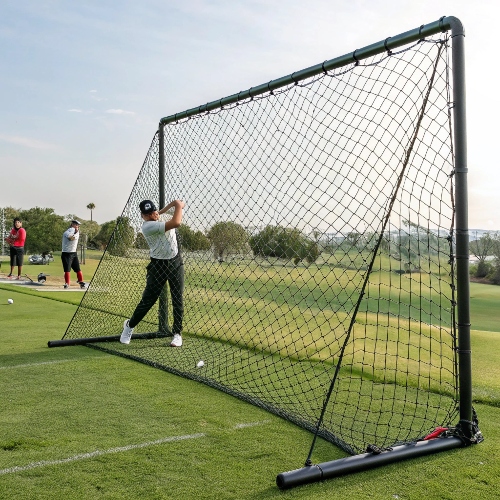
Nos filets de protection pour le baseball constituent une solution durable et sûre pour votre terrain. Fabriqués en polyester ou en PP de haute qualité et sans nœuds, ils contiennent efficacement les balles et protègent les alentours. Choisissez le blanc ou le noir pour améliorer la visibilité et l'esthétique du terrain, et assurez une performance durable pendant 2 à 5 ans à l'extérieur.
A barrier net for a professional baseball stadium faces different stresses than a lightweight net covering a backyard fish pond.
A procurement manager must navigate these variables to source a product that delivers both performance with value. The interaction between the polymer type also the stabilizer is a key aspect of this decision.
Material Matters: HDPE, Nylon, Polyester, Polypropylene
The base polymer of the netting fiber is its foundation. Each material has an inherent set of properties, including its natural resistance to UV light.
- Polyéthylène haute densité (PEHD): This is one of the most common materials for sports netting, especially for applications like golf barriers or baseball backstops. HDPE offers a great balance of tensile strength, durability, also moisture resistance. Its chemical structure has some inherent resistance to UV, but for any long-term outdoor use, the addition of UV stabilizers is absolutely necessary. With a proper stabilizer package, HDPE netting can provide many years of reliable service.
- Nylon (polyamide): Nylon is renowned for its exceptional strength, elasticity, also abrasion resistance. It can absorb more impact energy without breaking compared to HDPE, making it a premium choice for high-impact applications like professional batting cages. However, nylon is more susceptible to UV degradation than HDPE (Xanthopoulos, 2025). Without a very robust, specially formulated UV stabilizer package, nylon netting will lose its strength relatively quickly when exposed to sunlight. It also absorbs water, which can affect its dimensions with strength, though this is a separate consideration from UV resistance.
- Polyester (PET): Polyester offers a middle ground. It has excellent strength, low stretch, also better inherent UV resistance than nylon or polypropylene. It also absorbs very little water, so its properties remain stable in wet or humid conditions. It is often used in applications where dimensional stability is key, such as tennis nets or cargo nets.
- Polypropylène (PP): Polypropylene is a lightweight, low-cost option. It is resistant to moisture with many chemicals. Its major drawback is its very poor resistance to UV radiation. Unstabilized polypropylene can degrade within a single season of sun exposure. While it can be stabilized, it is generally considered less durable for permanent, high-sun outdoor applications compared to HDPE or polyester.
| Polymer Type | Inherent UV Resistance | Common Applications | Key Considerations |
|---|---|---|---|
| PEHD | Modéré | Golf barriers, baseball backstops, general sports | Excellent all-around performance with proper stabilization. |
| Nylon (polyamide) | Faible | High-impact cages, premium backstops | Requires a superior UV stabilizer package to be durable. |
| Polyester (PET) | Bon | Tennis nets, soccer goals, cargo netting | Good strength also natural UV resistance; low stretch. |
| Polypropylène (PP) | Très faible | Lightweight uses, temporary barriers | Not recommended for long-term, high-sun exposure. |
Matching the Stabilizer to the Polymer for Optimal Performance
The effectiveness of a UV stabilizer is not universal; it is polymer-specific. Certain types of HALS work better with polyethylene, while others are formulated for polyamides like nylon. For example, the acidic byproducts that can form during the degradation of some polymers can interfere with the activity of basic HALS.
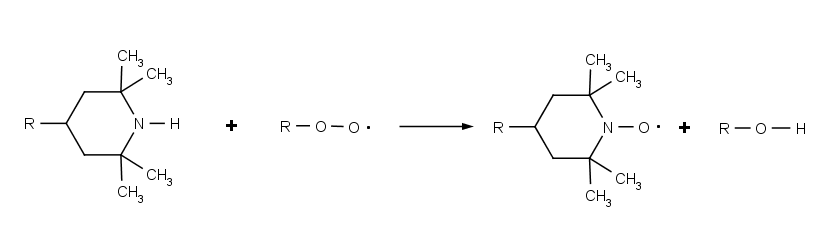
A knowledgeable manufacturer will select a stabilizer package that is chemically compatible with the base resin. This is a technical detail that separates high-quality suppliers from the rest. They will have done the research with testing to formulate a polymer-stabilizer system that works in harmony to provide the longest possible service life.
Case Study: Selecting the Right UV Stabilizers in Sports Netting for a Coastal Golf Course
Let’s return to our procurement manager, Robert. Imagine he has a project for a golf driving range in a coastal area, perhaps in British Columbia or Nova Scotia. This environment presents multiple challenges: high UV exposure, salt spray from the ocean, high humidity, also occasional strong winds.
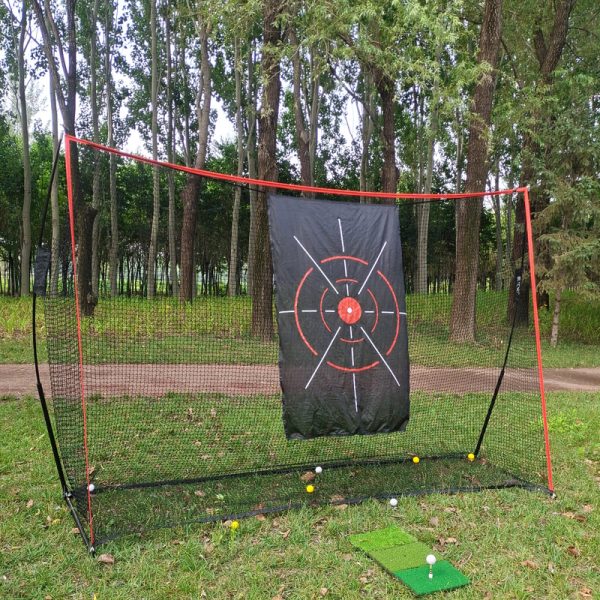
Filet d'entraînement pour le golf Construit avec précision et résistant aux intempéries
Our golf hitting net is crafted from premium high-tenacity polyester, featuring a knotless mesh design that offers superior smoothness, uniform tension, and long-lasting durability. The material provides excellent tensile strength, flexibility, and weather resistance, ensuring consistent performance for both indoor and outdoor training environments.
- Polymer Choice: Robert should lean towards HDPE. Its excellent moisture resistance makes it superior to nylon in a humid, salty environment. Its strength is more than adequate for stopping golf balls.
- Stabilizer Package: He must insist on a robust UV stabilizer package. Given the high UV exposure, a synergistic combination of HALS plus a UVA is the best choice. The HALS will provide long-lasting surface protection against the intense sun, while the UVA will help protect the bulk of the fibers. The specific grade of HALS should be one that is not affected by the potential presence of acidic pollutants or salt.
- Supplier Verification: Robert should ask potential suppliers, like Wenetting, for the technical data sheet of the specific HDPE grade they use. He should ask them to confirm the use of a combined HALS/UVA system. He should also request results from accelerated weathering tests, which would provide the best evidence of the netting’s ability to withstand the harsh coastal environment. By making this technically informed choice, Robert ensures the net will not only be safe on day one but will remain safe for years, providing his client with the best possible return on their investment.
How Can I Verify the Quality of UV Protection in Netting?
A supplier’s brochure can make grand claims about “UV resistance” or “weatherproof” materials. For a discerning buyer, these marketing terms are insufficient.
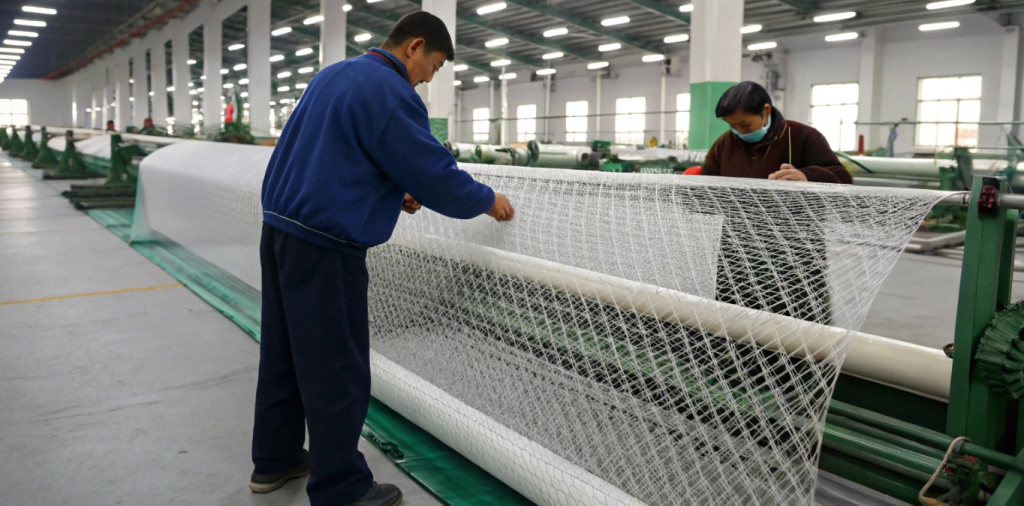
Verifying the quality of UV protection requires a more rigorous approach, one that involves examining technical data, seeking independent verification, also understanding the testing methods that substantiate these claims.

Download the wenetting directory to view all certificates and products
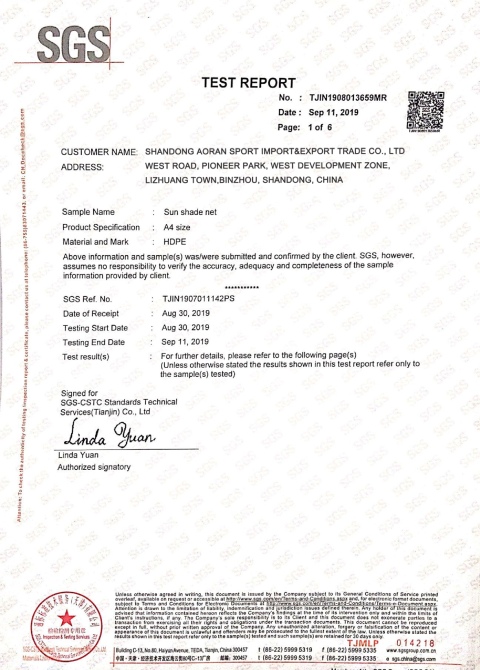
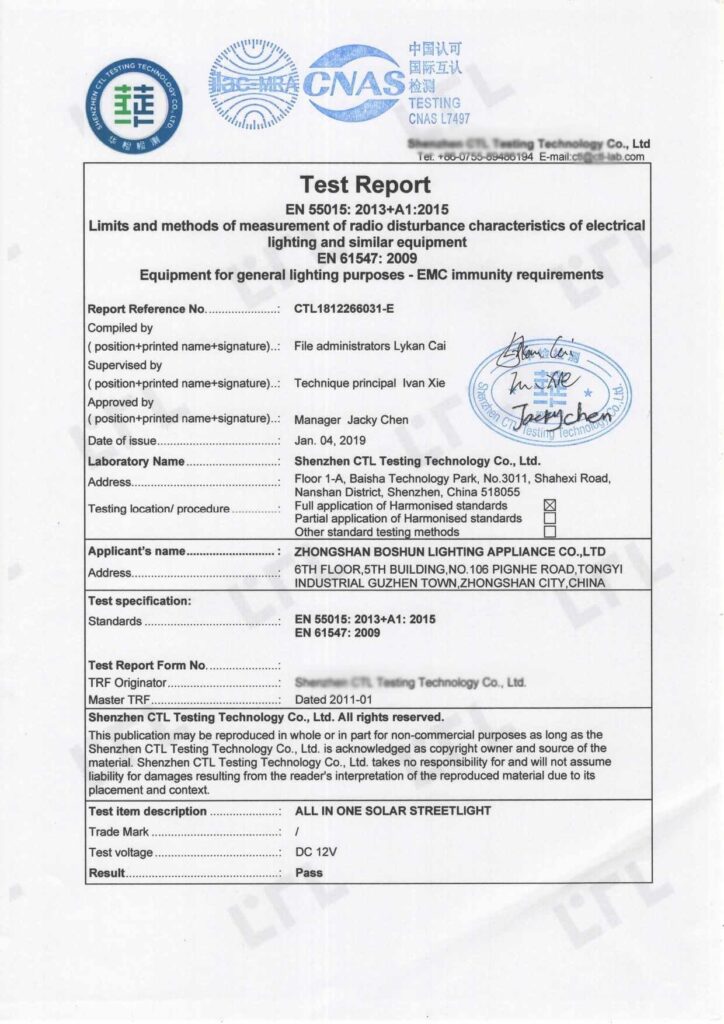
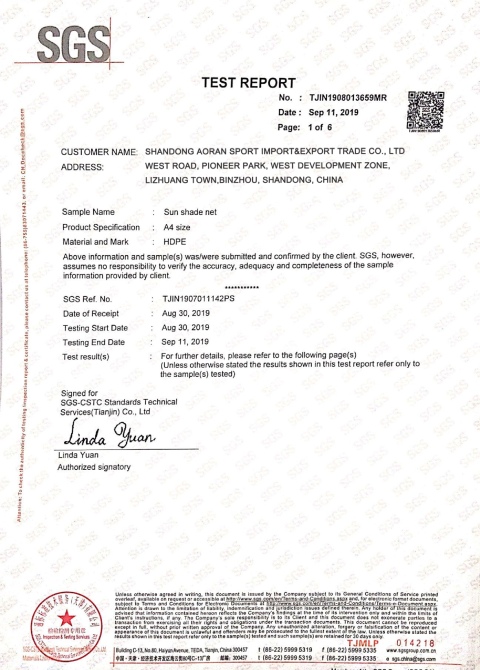
This due diligence is what separates a speculative purchase from a sound, long-term investment in safety also durability. It empowers a procurement manager to hold suppliers accountable also to ensure the product received matches the product specified.
Beyond the Spec Sheet: Requesting Technical Data Sheets (TDS)
The first step beyond the marketing material is to request a Technical Data Sheet (TDS) for the specific netting product. A TDS is a document provided by the manufacturer that details the technical properties of the material. While it may contain some of the same information as a sales brochure, it should also include more specific data.

Download the wenetting directory to view all certificates and products
Look for information on the base polymer (e.g., HDPE, Nylon 6) also, crucially, the UV stabilization package. A reputable manufacturer should be able to state the type of stabilizer used (e.g., “Contains a high-performance HALS/UVA blend”). They may even specify the concentration or “loading level” of the additive package, often expressed as a percentage by weight. A higher loading level generally corresponds to better protection, although the efficiency of the stabilizer also plays a huge role.
Transparency on the TDS is a good sign of a knowledgeable with confident manufacturer.
The Role of Third-Party Testing: Understanding SGS, TUV, with ISO Certifications
While a TDS is valuable, it is still a document produced by the manufacturer themselves. Independent, third-party verification provides a higher level of assurance. This is where organizations like SGS, TÜV, also the International Organization for Standardization (ISO) come in.

- ISO 9001 Certification: This certification does not relate directly to the product’s UV resistance but to the manufacturer’s quality management system. An ISO 9001 certified company, like Wenetting, has demonstrated that it has robust processes for ensuring consistent product quality, from raw material sourcing to final inspection. It suggests a commitment to quality that is likely to extend to their UV stabilization processes.
- SGS/TÜV Testing: These are global leaders in inspection, verification, testing, with certification. A supplier can submit their netting products to a lab like SGS or TÜV for specific performance tests. For sports netting, a relevant test would be to measure the tensile strength of the material before also after a set period of simulated aging. A test report from one of these bodies showing that a net retains a high percentage (e.g., >80%) of its original strength after significant simulated UV exposure is powerful proof of a quality UV stabilizer package.
Accelerated Weathering Tests: Simulating Years of Sun Exposure in Days
How can a lab test for five or ten years of sun exposure without waiting that long? The answer lies in accelerated weathering testing. This is a scientific method used to simulate the damaging effects of long-term outdoor exposure in a compressed timeframe.
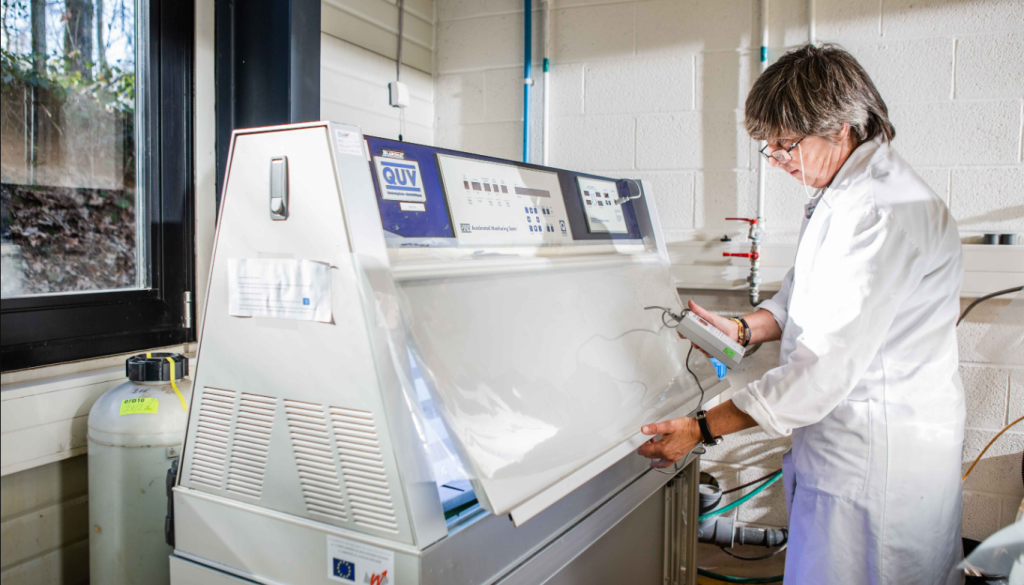
Specialized machines, such as a QUV Accelerated Weathering Tester or a Xenon Arc chamber, are used for this purpose. These machines expose material samples to intense cycles of UV light, moisture (simulating rain also dew), with temperature fluctuations (Q-Lab, 2023).
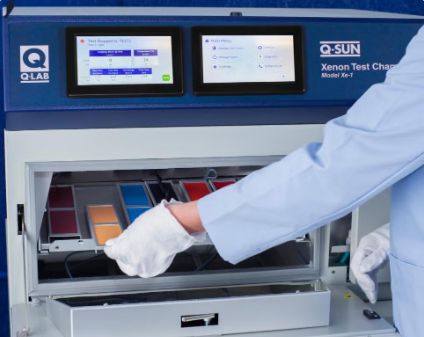
The conditions are much harsher than what would be experienced naturally, which speeds up the degradation process. For example, a few hundred hours in a QUV tester can simulate several years of outdoor exposure in a temperate climate.
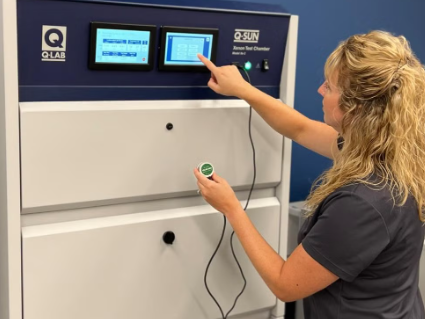
By testing the material’s properties—like tensile strength, color change, or impact resistance—before also after the exposure, engineers can accurately predict its long-term durability.

When a supplier can provide data from these tests, it demonstrates a deep commitment to product quality also provides the most reliable forecast of how their high-quality sports netting solutions will perform in the real world.
What Should I Ask My Supplier About Their UV Stabilization Process?
Engaging with a potential supplier should be a dialogue, not a monologue. As a procurement manager, your questions can reveal a great deal about a manufacturer’s technical expertise, transparency, with commitment to quality.
Moving beyond generic questions about price also delivery to specific inquiries about the UV stabilization process will help you identify a true partner who can deliver a durable, reliable product.
Here are three critical questions to pose to any prospective netting supplier.
1. “What is the concentration (loading level) of the UV stabilizer package in your netting?”
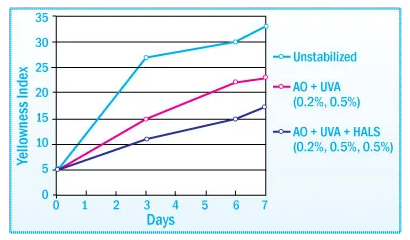
This question cuts directly to the heart of the matter. The amount of stabilizer added to the polymer resin is a key factor in its longevity. This is often referred to as the “loading level” or “let-down ratio,” also is typically expressed as a percentage of the total weight. There is a cost-to-performance trade-off here; adding more stabilizer increases the cost of the raw material. A supplier trying to cut corners might reduce the loading level, resulting in a product that looks good initially but degrades prematurely.
A confident, quality-focused supplier will not only be able to answer this question but will also be able to explain why they have chosen their specific concentration level for a given application. They might explain that a 0.5% loading of a high-efficiency HALS is optimal for their HDPE netting, providing a balance of extreme durability with cost-effectiveness.
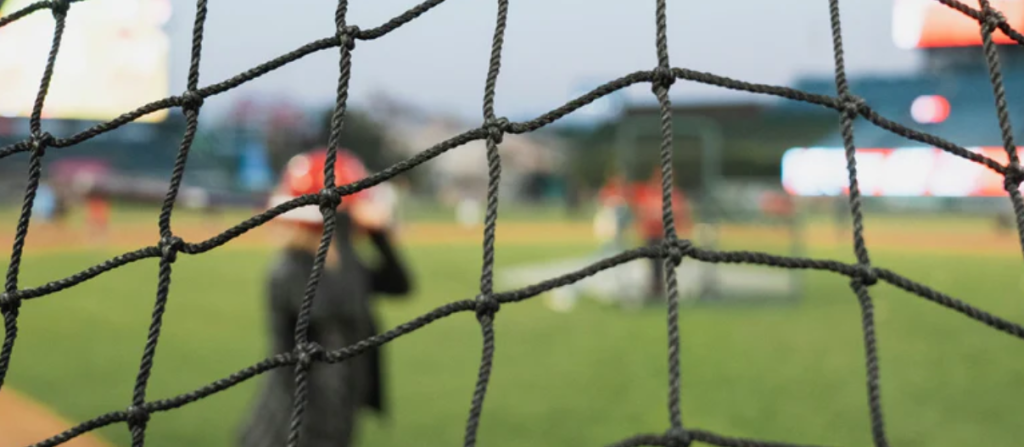
A vague or evasive answer is a significant red flag.
2. “Do you use a combination of HALS plus UVAs for your HDPE nets?”
This question demonstrates that you have a sophisticated understanding of UV protection technology. As we have explored, the synergistic combination of Hindered Amine Light Stabilizers (HALS) with UV Absorbers (UVAs) provides the most robust protection for many polymers, especially those used in demanding outdoor applications like HDPE.
Asking this question signals to the supplier that you are not a novice buyer. A positive, detailed response—for example, “Yes, we use a proprietary blend that combines a non-migrating HALS for surface protection with a benzophenone-class UVA for bulk material defense”—is a strong indicator of a technically proficient manufacturer.
If they only use one type, ask them to justify why they believe it is sufficient for your specific application.
3. “Can you provide batch-specific test results for tensile strength retention after UV exposure?”
This is arguably the most powerful verification question you can ask. It moves from the theoretical (what they put in the mix) to the empirical (how the final product actually performs).
Reputable manufacturers conduct rigorous quality control on their products. This should include batch testing, where a sample from each production run is subjected to testing.
For filets de sport, one of the most meaningful tests is accelerated weathering followed by a tensile strength test. The result is expressed as the percentage of original strength retained after a certain number of hours of exposure.For example, a report might show that a net retains 90% of its tensile strength after 1000 hours in a QUV chamber.
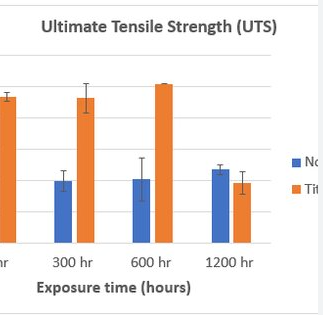
Requesting this data for a recent production batch—not just a generic, years-old lab report—confirms their ongoing commitment to quality.
A supplier like Wenetting, which highlights its testing capabilities, should also be prepared to provide such documentation.
This is the ultimate proof of performance.
Frequently Asked Questions About UV Stabilizers in Sports Netting
Q1: How much longer will a UV-stabilized net last compared to a non-stabilized one?
The difference is dramatic. An unstabilized polymer like polypropylene could lose over 50% of its strength in a single season. A properly stabilized HDPE or polyester net, by contrast, can last for 5 to 10 years or even longer, depending on the specific location’s UV index also the quality of the stabilizer package. The inclusion of UV stabilizers is the single most important factor for the longevity of outdoor netting.
Q2: Does the color of the netting affect its UV resistance?
Yes, to some extent. Black netting often exhibits the best UV resistance. This is because the pigment used, carbon black, is itself an excellent UV absorber. It effectively shields the polymer from radiation. For other colors, the pigments themselves can be susceptible to fading, which is an early sign of UV attack, but the structural integrity is primarily protected by the clear UV stabilizer additives, not the pigment itself.
Q3: Can I apply a UV protection spray to my existing nets?
While there are sprays marketed for UV protection, they offer minimal, temporary benefit for products like sports netting. These coatings are superficial also wear off quickly due to rain, wind, with abrasion. True UV protection is not a coating; it is an additive that is compounded into the polymer at the molecular level before the fibers are even made. There is no effective substitute for purchasing netting with high-quality, built-in UV stabilizers in sports netting from the start.
Q4: Are UV stabilizers safe for the environment?
Modern UV stabilizers, particularly the high-molecular-weight HALS used by responsible manufacturers, are designed to be safe also stable. They have low volatility with low migration rates, meaning they stay locked within the polymer matrix. This prevents them from leaching into the environment. Reputable suppliers source their additives from major chemical companies that adhere to strict international regulations like REACH (Registration, Evaluation, Authorisation with Restriction of Chemicals) in Europe, ensuring they are safe for their intended use.
Q5: Why do some nets become brittle while others just fade?
Fading and becoming brittle are both symptoms of UV degradation, but they relate to different aspects of the material. Fading is the destruction of the pigment molecules. Brittleness is the result of the main polymer chains breaking, which is a far more serious structural failure. A high-quality net uses both UV-stable pigments with a robust UV stabilizer package for the polymer itself. A lower-quality net might only have decent pigments, so it holds its color for a while, but it will still become brittle because the underlying polymer structure is not protected.
The selection of sports netting extends far beyond the simple metrics of mesh size with initial price. An enduring appreciation for the unseen forces at play, specifically the relentless assault of ultraviolet radiation, is fundamental to making a wise procurement decision.

The degradation of polymer chains, initiated by sunlight, is a silent process that culminates in the visible and dangerous failure of the product. The defense against this decay lies in the sophisticated chemistry of UV stabilizers.
By understanding the distinct roles of UV absorbers as shields with Hindered Amine Light Stabilizers as scavengers, a buyer can begin to discern the true quality of a netting product.
The dialogue with a supplier must evolve, moving past surface-level claims toward a more profound inquiry into the specifics of material composition: the polymer type, the stabilizer package, the concentration levels, also the empirical data from verification testing.
Posing these targeted questions is not an act of distrust but an exercise in due diligence that protects the investment, ensures the safety of facility users, also ultimately fosters a partnership with manufacturers who demonstrate a genuine commitment to quality and transparency. The most durable netting is not merely bought; it is specified with knowledge also foresight.

Read our most popular articles.
👉 Download our free product categories
👉 The Ultimate Guide to Installing Anti-Insect Nets in Greenhouses
👉 The Ultimate Guide to Choosing the Right Cargo Netting for Your Fleet
👉 HDPE vs Nylon Sports Netting: The Ultimate Guide
👉 A 5-Step Expert Guide: “Made to Order”: A Look at Our Custom Netting Process
👉 How to Start a Private Label Netting Business: A 5-Step Framework for Work
👉 The Chinese Manufacturing vs. Local Suppliers: A Netting Buyer’s Guide