
The intensification of global climate change, as documented in extensive scientific assessments, is creating a cascade of environmental pressures that are forcing industries to adopt more proactive risk management strategies. This analysis examines the resulting increase in demand for specialized protective netting as a direct and practical response to these climate-driven challenges.

In agriculture, producers are increasingly relying on agricultural netting systems to protect crops from hail damage, excessive solar radiation, and shifting pest populations. In the construction sector, rising wind speeds and more frequent storms are driving the adoption of high-performance safety netting and debris netting to protect both personnel and project assets. In aquatic environments, netting solutions are being used to mitigate storm surge impacts, manage invasive species, and secure aquaculture operations.
The findings show a clear transition: protective netting is no longer treated as a secondary accessory but is becoming a critical component of climate resilience infrastructure. This shift reflects a broader industrial adaptation to a more volatile and unpredictable environment, where protecting productivity, ensuring safety, and reducing operational risk are now central to decision-making.
Intensified Precipitation and Hail Events Threaten Agriculture
Atmospheric dynamics are shifting in measurable ways. A warmer atmosphere holds more moisture, a principle well established in climate science (IPCC, 2023). The result is not simply an increase in total rainfall, but a shift toward more intense and concentrated precipitation events. In many regions, this change is also reflected in a noticeable increase in both the frequency and severity of hailstorms.
For agriculture, an industry directly exposed to environmental variability, this trend introduces significant operational risk. Short-duration extreme weather events can destroy an entire season’s output within minutes. As a result, producers are increasingly adopting physical protection systems, such as HDPE-based agricultural netting, to reduce exposure and improve yield stability.
The Devastation of Hail on High-Value Crops

—Agricultural Nets Conquer Hail
High-value crops such as grapes, apples, cherries, and berries are particularly vulnerable to hail damage. Hailstones act as high-velocity impact objects, damaging fruit surfaces, splitting skins, and creating entry points for rot and disease. Even minor surface damage can eliminate marketability in premium supply chains.
The impact extends beyond the fruit itself. Foliage damage reduces photosynthetic capacity, directly affecting plant energy production and crop development. In severe cases, structural damage to vines or trees can reduce productivity for multiple seasons. These combined effects make hail one of the most financially damaging weather risks in modern agriculture, with global losses reaching billions of dollars annually.
Anti-Hail Netting as a Shield
In response to increasing hail risk, growers are turning to anti-hail netting as a proven mitigation solution. These systems are typically manufactured from high-density polyethylene (HDPE) monofilament, selected for its strength, UV resistance, and long service life.

Reliable Hail Protection Net for Orchards & Crops
The 4×7mm reinforced mesh structure, crafted from high-tenacity 0.35mm HDPE monofilament, delivers exceptional tear resistance and consistent impact dispersion against hail strikes, ensuring long-term protection for orchards exposed to seasonal storms.
Installed as overhead canopy structures supported by poles and tensioned cable systems, anti-hail netting functions as an energy-dissipating barrier. Rather than acting as a rigid shield, the net absorbs and redistributes impact forces, reducing the damage caused by hailstones while maintaining airflow and light penetration.
From a procurement and ROI perspective, the investment is driven by risk exposure. For high-value crops, preventing a single severe hail event can offset the entire system cost. Modern systems are also engineered to withstand wind and snow loads, ensuring long-term structural reliability and consistent performance under variable conditions.
Managing Waterlogging from Extreme Rainfall
The impact of intensified precipitation extends beyond hail. Extreme rainfall can overwhelm soil absorption capacity, leading to surface runoff, nutrient loss, and soil erosion. At the same time, excessive saturation creates waterlogged conditions, where plant roots are deprived of oxygen, leading to root decay and reduced crop viability.
To address these challenges, erosion control netting and geotextile systems are increasingly deployed as part of integrated land management strategies.
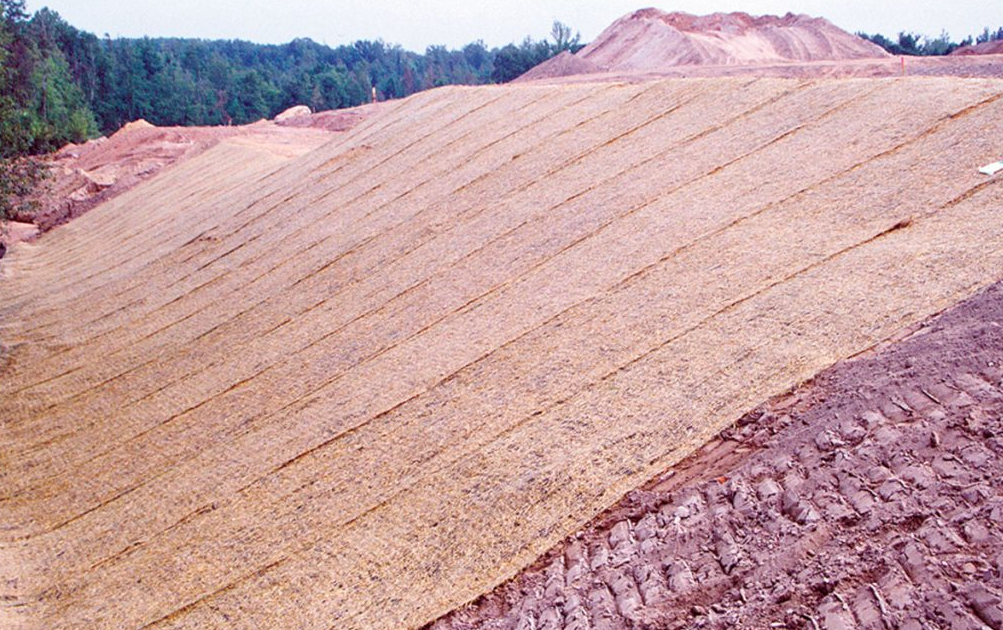
These materials stabilize soil, reduce runoff velocity, and provide a structured matrix that supports seed germination and root establishment.
In areas prone to waterlogging, netting solutions are often combined with engineered drainage systems to improve soil structure and water flow. These applications demonstrate how industrial netting products are expanding beyond simple protection to become part of broader environmental management systems designed to maintain long-term agricultural productivity.
Rising Temperatures and Solar Radiation Stress Crops and Livestock
Climate change is often measured through rising average temperatures, but the operational impact is driven by the increasing frequency and intensity of extreme heat events. These heat spikes push crops and livestock beyond their optimal physiological range, directly affecting productivity, quality, and survival rates.
In addition to elevated temperatures, increased solar radiation intensity further compounds the problem. For agricultural producers, this combination creates a need for active environmental control rather than passive exposure. As a result, shade netting systems are becoming a standard tool for managing microclimates and maintaining consistent production output.
The Impact of Heat Stress on Plant Physiology
Plant productivity depends on stable environmental conditions, particularly temperature. Photosynthesis operates within a defined range, and when temperatures exceed this threshold, efficiency declines rapidly. In high heat conditions, plants may close their stomata to reduce water loss, limiting carbon dioxide intake and slowing growth.
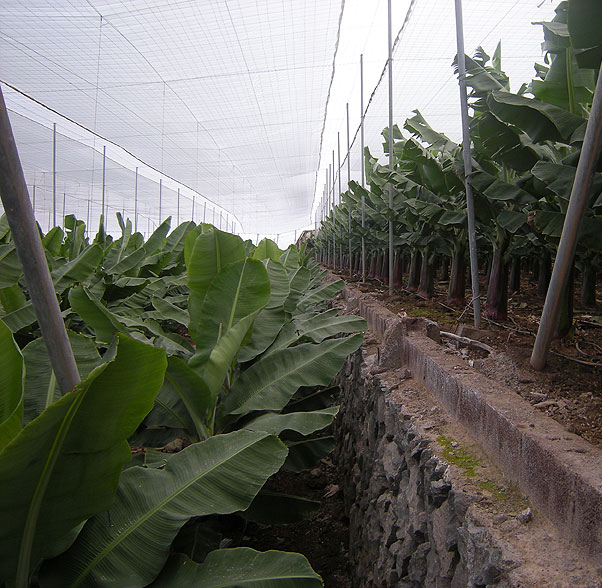
Direct radiation damage is another major concern. Crops such as tomatoes, peppers, and apples are susceptible to sunscald, where excessive solar exposure damages surface tissue. This results in discoloration, reduced quality, and loss of market value. Even when visible damage is limited, heat stress forces plants to divert energy from growth and yield toward survival mechanisms.
Shade Netting: Creating a Controlled Microclimate
Shade netting provides a practical and scalable solution for managing heat and radiation stress. These engineered materials regulate light intensity while maintaining airflow, creating a controlled growing environment that improves crop stability and yield consistency.

The performance of shade netting is defined by both shading percentage and color. Shade percentage determines the level of light reduction, while color influences the spectral composition of transmitted light. This allows growers to fine-tune growing conditions based on crop requirements.
- Red shade nets promote vegetative growth, flowering, and biomass production.
- Blue shade nets support compact plant structure and improved leaf quality.
- White or pearl nets enhance light diffusion, improving canopy penetration and reducing hot spots.
- Black nets provide neutral shading, reducing temperature without significantly altering light spectrum.
This level of control allows producers to optimize both environmental conditions and crop performance, making shade netting an essential tool in modern agricultural systems.
| Netting Color | Shade Percentage Range | Primary Effect | Common Applications |
|---|---|---|---|
| Noir | 30% – 90% | Neutral light reduction, temperature decrease | General purpose shading for vegetables, ornamentals, livestock |
| White/Pearl | 25% – 85% | Light diffusion, moderate temperature decrease | Orchards, greenhouses, high-light crops to prevent scorching |
| Red | 30% – 60% | Promotes biomass, flowering, and branching | Leafy greens, herbs, flowering plants, some fruits |
| Blue | 30% – 60% | Encourages compact growth, improves leaf color | Nursery stock, bedding plants, shade-loving ornamentals |
| Grey/Silver | 40% – 75% | Maximum temperature reduction via reflection | Hot climates, greenhouses, protecting sensitive livestock |
Protecting Livestock from Thermal Discomfort
Heat stress is not limited to crops. Livestock operations are highly sensitive to temperature increases, with direct impacts on productivity. For example, dairy production can decline significantly when temperatures exceed optimal thresholds, while poultry operations may experience reduced growth rates and egg production.
Shade netting structures provide an effective solution by reducing solar load while maintaining airflow. Unlike solid roofing systems, netting allows ventilation while blocking a portion of direct radiation. This creates a more stable environment for livestock, improving both animal welfare and operational efficiency.
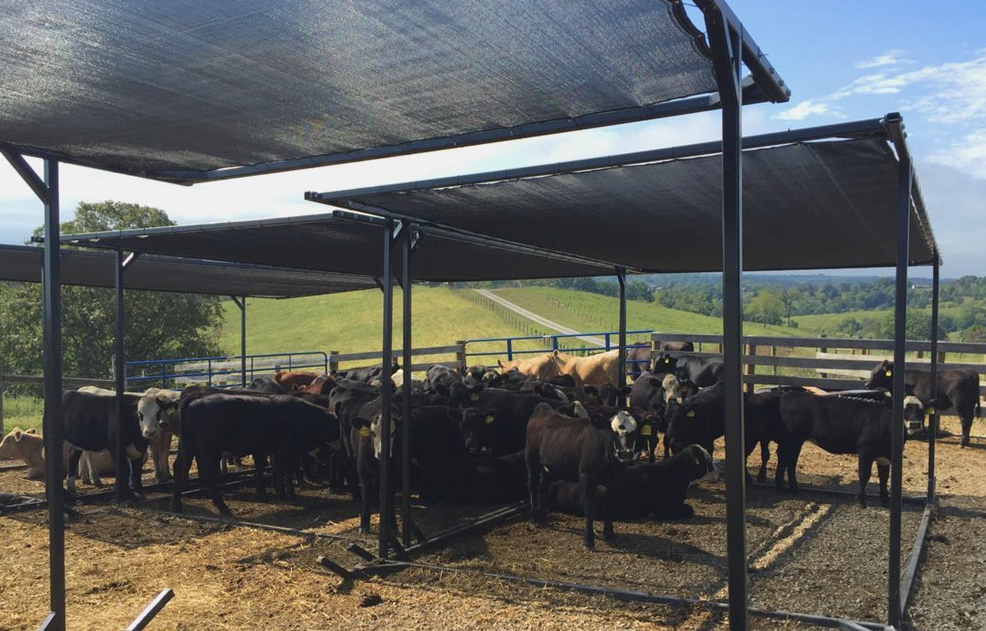
In many regions, these systems are becoming standard infrastructure, particularly in climates with prolonged periods of high temperature. From a cost perspective, the ability to maintain consistent output and reduce mortality risk makes shade netting a high-value investment.
Increased Wind Speeds and Storm Frequency Endanger Infrastructure
In addition to temperature and precipitation changes, climate patterns are also influencing wind behavior. While average wind speeds may vary, the intensity and frequency of extreme wind events are increasing in many regions (IPCC, 2023). For construction and infrastructure projects, this represents a significant safety and financial risk.
Construction sites are inherently exposed environments, often involving elevated structures, loose materials, and active labor zones. Under high wind conditions, these factors combine to create a high-risk scenario that requires engineered mitigation solutions.
Construction Sites: A Vulnerable Frontier
Active construction sites contain numerous elements that are susceptible to wind-related hazards. Materials, tools, and temporary structures can become airborne under strong gusts, creating safety risks for both workers and surrounding areas.
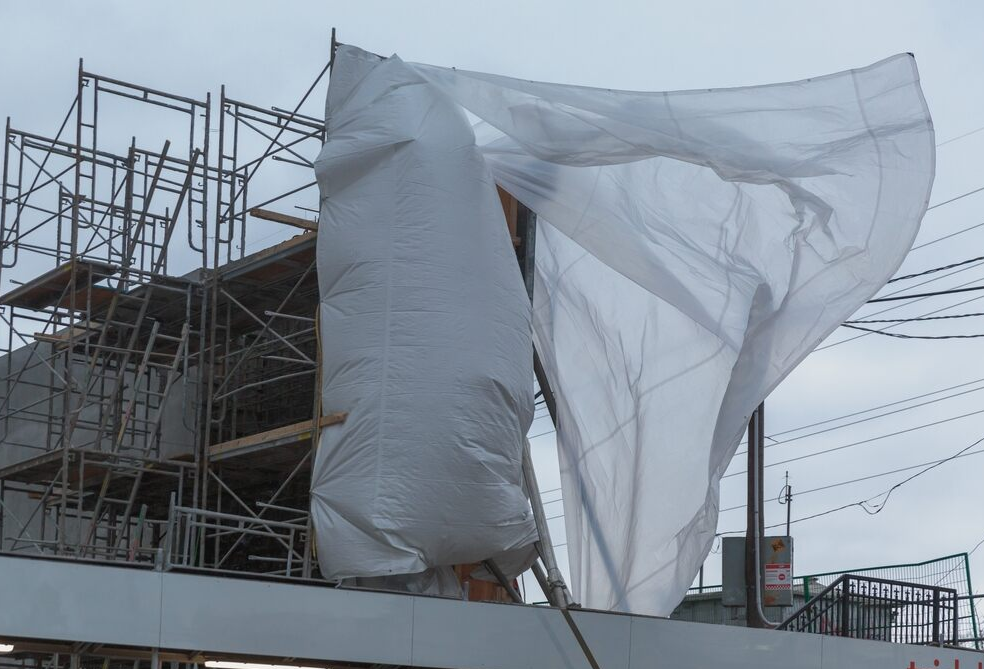
Wind loading on scaffolding systems is another critical factor. Large surface areas exposed to wind can generate significant structural stress, increasing the risk of instability or failure if not properly managed. In addition to safety concerns, high wind conditions can disrupt operations, delay project timelines, and increase overall project costs.
The Vital Role of Debris and Safety Netting
Construction safety netting and debris netting systems play a critical role in mitigating these risks. These systems are designed to provide both containment and environmental control, improving safety and operational stability.
- Personnel Safety: Safety netting systems installed below working areas provide fall protection and serve as a last line of defense in elevated work environments.
- Debris Containment: Debris netting prevents loose materials from becoming airborne hazards, reducing risk to workers and the public while maintaining site compliance.
- Wind Reduction: Netting systems act as windbreaks, reducing wind velocity within scaffold structures and lowering structural stress.
The effectiveness of these systems depends on material quality, installation integrity, and compliance with relevant safety standards. High-performance netting must provide sufficient tensile strength, UV resistance, and durability to withstand prolonged exposure and variable conditions.
| Climate-Related Risk | Primary Hazard | Recommended Netting Solution | Key Specifications |
|---|---|---|---|
| Increased Wind Speed | Falling objects, dust clouds | Scaffold Debris Netting / Windbreak Nets | High tensile strength, UV stabilization, appropriate mesh size |
| Increased Wind Speed | Worker falls from height | Personnel Safety Nets (Fall Arrest) | High energy absorption capacity, certified to safety standards (e.g., EN 1263-1) |
| Intense Rainfall | Site erosion, waterway pollution | Silt Fencing / Erosion Control Nets | Woven geotextile fabric, controlled flow rate, sediment retention |
| Intense Sunlight/Heat | Worker heat stress, material degradation | Temporary Shade Netting | High shade percentage (50-80%), UV resistance, allows airflow |
Shifting Pest and Bird Patterns Disrupt Ecosystems
Climate change is also reshaping biological systems. As temperature zones shift, pest populations are expanding into new geographic regions, while seasonal patterns are becoming less predictable (Bebber et al., 2013). For agriculture, this creates a direct and increasing threat, particularly for producers who have historically relied on stable pest cycles.
Warmer winters allow higher survival rates for insects, while extended growing seasons increase reproduction cycles. At the same time, regulatory pressure and market demand are driving a reduction in chemical pesticide use. This combination is accelerating the adoption of physical protection systems such as insect netting and bird netting.
The Invasion of New Agricultural Pests
As pest ranges expand, growers are encountering species that were previously not part of their operational risk profile. These pests often lack natural predators in newly established regions, allowing populations to grow rapidly and cause significant crop damage.
Examples such as the fall armyworm, olive fruit fly, and pine beetle demonstrate how quickly pest pressure can escalate under changing climate conditions. These shifts require producers to adopt more reliable and preventive protection strategies, especially for high-value crops where quality standards are strict.
Insect Netting: A Physical Barrier Against Invasion
Insect netting, also known as agricultural netting or pest exclusion netting, provides a direct and non-chemical solution. By physically preventing insects from reaching crops, it eliminates damage at the source rather than reacting after infestation occurs.
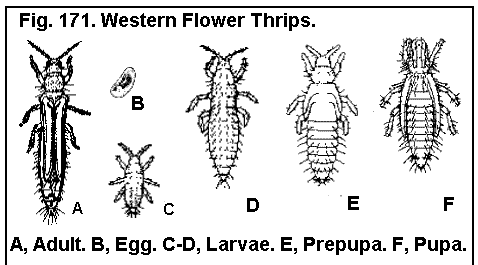
Mesh size is a critical specification. Fine-mesh HDPE netting is required to block smaller pests such as thrips, while larger mesh sizes may be suitable for insects like moths. The key trade-off is between protection and environmental conditions, as finer mesh reduces airflow and light transmission.
From a commercial standpoint, insect netting improves yield consistency, enhances product quality, and supports access to higher-value markets such as organic produce. Over time, reduced reliance on pesticides and improved crop outcomes contribute to a strong return on investment.
Mitigating Human-Wildlife Conflict with Bird Netting
Bird behavior is also shifting due to environmental changes, often increasing pressure on agricultural crops. Fruit crops such as grapes, cherries, and blueberries are particularly vulnerable to bird damage, where even minor impact can render produce unsellable.

Bird netting provides a reliable exclusion solution. Installed over entire growing areas, these systems create a physical barrier that prevents access while avoiding harm to wildlife. Compared to deterrent-based methods, exclusion netting offers consistent and predictable performance.
For high-value crop producers, bird netting is increasingly treated as a necessary component of crop protection, particularly in regions experiencing changes in bird migration and feeding patterns.
Coastal and Aquatic Environments Face Unprecedented Threats
Climate impacts are equally significant in aquatic environments. Rising sea levels, stronger storm events, and changing water temperatures are affecting both natural ecosystems and commercial aquaculture operations (IPCC, 2023).
Protecting Aquaculture from Predators and Debris
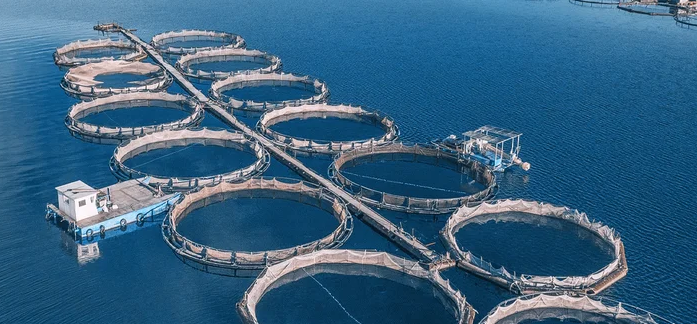
Aquaculture operations depend heavily on containment systems constructed from industrial netting. These systems must withstand continuous environmental exposure while protecting valuable stock.
Increased storm intensity raises the risk of structural failure, while debris and predator activity introduce additional threats. As a result, demand is growing for high-tensile, UV-stabilized netting materials with enhanced durability and resistance to long-term degradation.
Additional outer netting layers are often used to provide protection against predators and floating debris, particularly in exposed coastal environments where storm surge conditions are more severe.
Restoring and Protecting Coastal Habitats
Protective netting is also used in ecological restoration projects. In applications such as seagrass and mangrove restoration, biodegradable netting materials help stabilize sediment and protect young plants during early development stages.
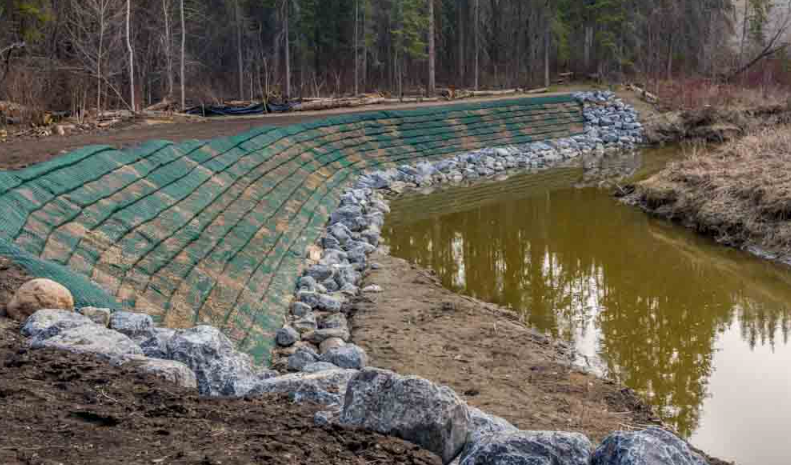
These solutions provide temporary structural support while natural systems establish themselves. Once stabilization is achieved, the materials degrade naturally, minimizing long-term environmental impact.
Managing Invasive Aquatic Species
Changing water temperatures are enabling invasive species to expand into new environments. In certain applications, exclusion netting can be used to isolate sensitive habitats or protect native species during critical life stages.
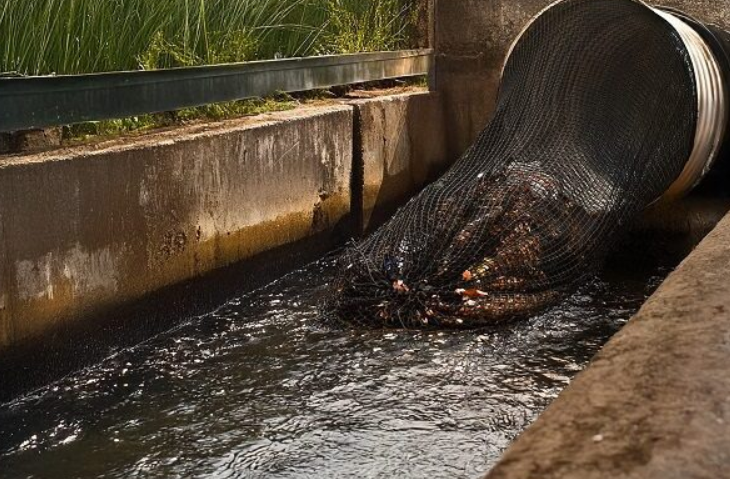
While not a universal solution, targeted netting systems can play a role in broader environmental management strategies, helping reduce ecological disruption and protect biodiversity.
Foire aux questions (FAQ)
What type of netting is best for hail protection?
The most effective solution is anti-hail netting designed specifically for agricultural use. Typically manufactured from UV-stabilized HDPE monofilament, these systems are engineered to absorb impact energy while maintaining structural integrity. Selection depends on crop type, expected hail size, and installation requirements.
How does the color of shade netting affect plant growth?
Netting color affects light spectrum transmission. Black netting provides neutral shading, while colored nets modify plant growth characteristics. Red nets promote vegetative growth and flowering, blue nets support compact development, and white or pearl nets improve light diffusion and canopy distribution.
Is protective netting environmentally friendly?
Most industrial netting products are made from HDPE, which is not biodegradable but offers long service life and durability. Its use can reduce pesticide dependency, minimize crop loss, and improve overall resource efficiency. In certain applications, biodegradable netting materials are available for short-term environmental use.
How long does agricultural netting typically last?
The lifespan of agricultural netting depends on material quality, UV stabilization, and environmental conditions. High-quality HDPE netting typically lasts between 8 and 15 years, while lower-grade products may require replacement within 3 to 5 years.
Can construction safety netting withstand hurricane-force winds?
No. Standard debris netting is not designed to remain in place during hurricane conditions. In high-risk regions, safety protocols require removal of netting systems before major storms to prevent structural failure caused by excessive wind load.
How do I choose the right mesh size for insect netting?
Mesh size must be selected based on the smallest target pest. Finer mesh provides higher protection but reduces airflow and light transmission. Proper selection requires balancing pest exclusion with environmental conditions and crop requirements.
Does protective netting require a lot of maintenance?
Maintenance requirements are generally low. Regular inspection for tears, tension issues, and fastening integrity is recommended. Proper handling, cleaning, and storage can significantly extend service life.

Read our most popular articles.
👉 Download our free product categories
👉 A Practical 3-Step Guide: How to Calculate the Correct Cargo Net Size and Capacity for Your Load
👉 Un guide en 5 points pour comprendre la durée de vie d'un filet : Quand réparer ou remplacer
👉 A Practical Custom Netting vs. Off-the-Shelf: A Cost-Benefit Analysis with 7 Factors
👉 Beyond Breaking Strength: A Comprehensive Guide to Netting ion, Safety, and Risk Management
👉 The Ultimate Guide to Choosing the Right Cargo Netting for Your Fleet