
Choosing between knotted and knotless netting is a fundamental decision for applications in sports, agriculture, construction, and logistics. This choice depends on understanding the differences in their manufacturing and the properties that result. Knotted netting, made by tying twines together, is known for its abrasion resistance and traditional strength, though the knots can create stress points that wear faster over time. In contrast, knotless netting, formed through weaving or knitting, offers a smoother surface, more even stress distribution, and a higher strength-to-weight ratio.

Deciding which type to use requires considering factors such as tensile strength, abrasion resistance, safety for people or delicate items, environmental conditions, and cost. Ultimately, the best choice is not one-size-fits-all; it depends on the specific functional and financial needs of the application—a key consideration in the ongoing debate over knotted versus knotless netting.
القراءة السريعة
- Knotted netting offers superior abrasion resistance, making it ideal for rugged, high-friction uses.
- Knotless netting provides a smooth, uniform surface that is safer for people and gentler on delicate goods.
- The strength-to-weight ratio is generally higher in knotless netting due to its efficient, woven construction.
- Consider the total cost of ownership; knotless may have a higher initial price but a longer functional lifespan.
- Resolving the knotted vs. knotless netting: which is right for your application? The dilemma requires a project-specific analysis.
- The knotless design often yields a more consistent mesh size and a cleaner aesthetic appearance.
- Material choice, such as nylon or polyester, significantly influences the performance of either netting type.
Structural Integrity and Strength: Comparing Two Constructions
Netting may appear as a simple mesh, but the way its strands intersect creates two very different products. Understanding this distinction is essential when choosing between knotted and knotless netting. The difference lies in whether the structure relies on localized points of strength or on uniform cohesion across the entire net.
Knotted Netting: Traditional Strength
شبكة معقودة is made by tying twines together at each intersection, often using a sheet bend knot. This method produces dense knots that resist abrasion, protecting the surrounding fibers from wear. This characteristic makes knotted netting durable in environments where friction or scraping is common, such as cargo handling or sports equipment barriers.
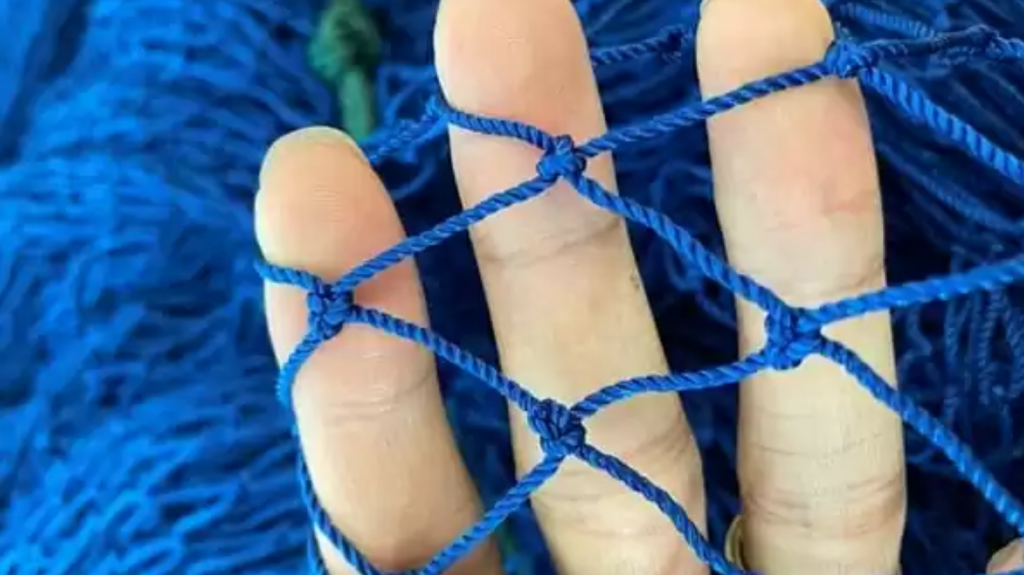
However, the knots themselves concentrate stress. Under high loads, these points are more prone to failure than the surrounding netting. The overall performance depends on the knot type, material, and usage conditions, a factor studied in applications ranging from mountaineering ropes to surgical sutures.
Knotless Netting: Uniform Strength and Efficiency
Knotless netting is produced through weaving or knitting, creating a continuous material without concentrated knots. This design distributes forces evenly across the net, eliminating stress concentration points. As a result, knotless netting can achieve higher strength for a given weight and provides a more consistent performance under load.

The absence of knots also reduces bulk and weight, making knotless nets easier to handle, install, and support, particularly in overhead or lightweight applications.
Real-World Applications
The differences in construction affect performance depending on the application. For heavy-duty construction debris nets, where abrasion and impact from sharp or heavy objects are common, the toughness of knotted netting is advantageous. Its knots help resist wear and grip materials effectively.
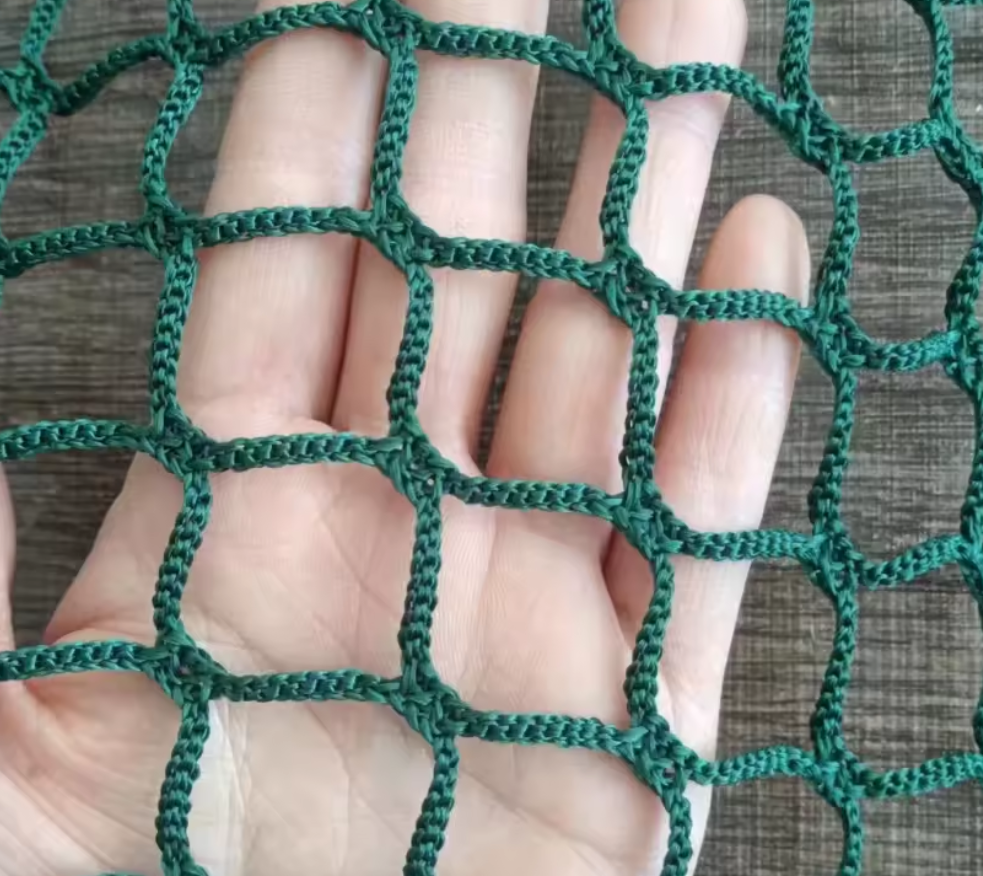
For indoor sports or overhead protective nets, where repeated but less abrasive impacts occur, the uniform strength and lighter weight of knotless netting make it more suitable. Its design provides consistent load distribution, improving safety and ease of installation while maintaining durability.
To formalize this comparison, we can examine their properties side-by-side.
| الميزة | شبكة معقودة | شبك بدون عقد |
|---|---|---|
| Manufacturing Process | Twines are tied together with knots (e.g., sheet bend). | Twines are woven or knitted together without knots. |
| Stress Distribution | Concentrated at the knots. | Evenly distributed across the structure. |
| مقاومة التآكل | Excellent; knots provide a durable, raised wear surface. | Good; but the smooth twine is more exposed to friction. |
| Strength-to-Weight Ratio | Lower; knots add significant weight without proportional strength. | Higher; efficient use of material leads to a lighter, stronger product. |
| Mesh Consistency | Good; but knots can slightly distort mesh geometry under load. | Excellent; mesh shape is stable and uniform. |
| Common Failure Point | Knot slippage or failure at the stress point of the knot. | Tearing of the twine itself under excessive load. |
This table clarifies that the decision is a trade-off. One must weigh the need for rugged, abrasion-resistant focal points against the desire for lightweight, uniform, and efficient tensile strength.
Durability and Lifespan: Performance Over Time
A net’s value is determined not only at installation but also by how it performs over years of use. Durability—the ability to withstand wear, environmental factors, and fatigue—is critical for both functional and economic performance. The structural differences between knotted and knotless netting strongly affect how they age under different conditions.
Abrasion and Wear
Knotted netting relies on its knots for abrasion resistance. The knots protect the surrounding fibers, making it suitable for high-friction applications such as trawling nets or cargo nets. However, the knots are also the primary points of contact, which concentrates wear. Over time, this can lead to knot failure and localized mesh damage. Repairs are possible, but the lifespan of the net is often limited by the longevity of the knots themselves.
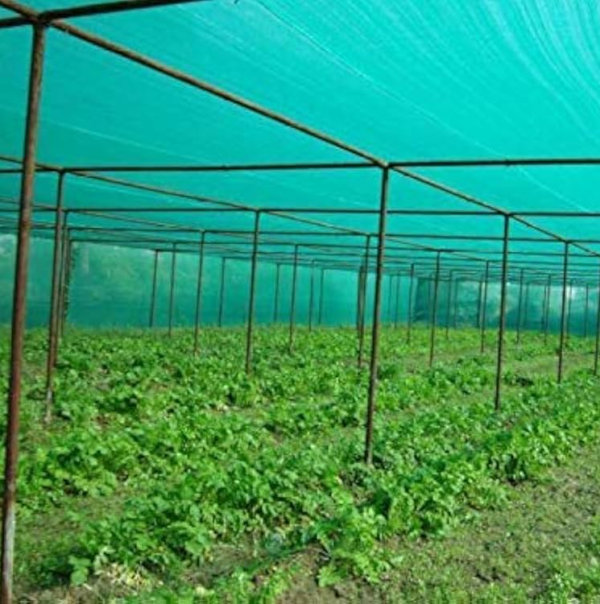
Durable Shade Net Solutions to Improve Yield and Reduce Heat Stress
Built with high-tenacity polyester in a 4.5 cm knotless mesh, this pond cover net delivers long-lasting outdoor protection against debris intrusion and surface contamination. The 3 mm rope diameter provides stable tensile strength, while the UV-treated construction resists sunlight degradation and weather exposure. Its smooth, knotless design minimizes wear and…
Knotless netting has a smooth, flat profile that distributes friction across the fibers. While this exposes the core twines directly, it reduces the risk of sudden failure at a single point. In applications with moderate wear, such as stationary sports barriers or shade nets, this even stress distribution can result in more predictable and gradual degradation.
UV and Environmental Exposure
Outdoor nets face continuous exposure to UV radiation, which can weaken synthetic fibers. Both knotted and knotless nets are typically made from UV-stabilized materials, sometimes with additional protective coatings.
The structure of the net can also influence its resistance to environmental damage. Knots can trap moisture, dirt, and biological matter, which can accelerate fiber degradation. Knotless nets, with their smoother and more open construction, shed water and debris more effectively, reducing the risk of mold, mildew, or accelerated wear—particularly important in agricultural and marine settings.
Material Considerations
The type of fiber used is as important as the netting construction:
- Nylon (Polyamide): Strong, elastic, and shock-absorbing, nylon is ideal for high-load applications such as safety nets. It absorbs water, losing some strength and experiencing dimensional changes, which limits its suitability for permanent outdoor use.
- Polyester (PET): Highly UV-resistant, low-stretch, and strong, polyester maintains stability in wet conditions. It is widely used for long-term outdoor applications like stadium nets or agricultural enclosures.
- Polyethylene (PE): Lightweight, water-resistant, and chemical-resistant, PE is durable in wet environments but not as strong as nylon or polyester. Common uses include fishing nets, aquaculture cages, and marine debris containment.
- High-Performance Fibers (HMPE/Dyneema®/Spectra®): Extremely strong, lightweight, and resistant to abrasion and UV exposure. Typically used in knotless nets where maximum strength-to-weight performance is required, such as professional sports or specialized containment applications.
The overall durability of a net depends on both its construction and material. A UV-stabilized polyester knotless net can outlast a nylon knotted net in outdoor conditions, while a heavy-gauge knotted nylon net may outperform a lightweight knotless net under heavy-duty loading. Selecting the right combination of material and construction is essential to achieving long-term performance.
Safety and Application Suitability: Protecting People and Products
Beyond strength and durability, safety and suitability for the intended use are critical when selecting a netting system. The physical structure of knotted and knotless netting affects how they interact with people, animals, and goods, making each more appropriate for specific applications.
Knotless Netting: Smooth and Non-Abrasive
Knotless netting has a smooth, flat surface, which reduces abrasion and contact injuries. This makes it safer in applications involving people or delicate products.

- Children’s play areas: Knotless safety nets minimize the risk of scrapes and friction burns compared with knotted nets.
- Sports facilities: Players sliding into knotless goal or barrier nets are less likely to experience surface injuries.
- Agriculture: Knotless bird netting protects soft fruits such as cherries or blueberries, preventing bruising and maintaining quality.
- Aquaculture: Smooth nets reduce abrasions to fish, lowering stress, injury, and risk of infection.
- Cargo protection: Knotless nets prevent scratches and surface damage to sensitive items, such as furniture or painted components.
Knotted Netting: Strength for Heavy-Duty Containment
Knotted netting provides extra bulk and rigidity, making it suitable for high-impact or heavy-load applications.
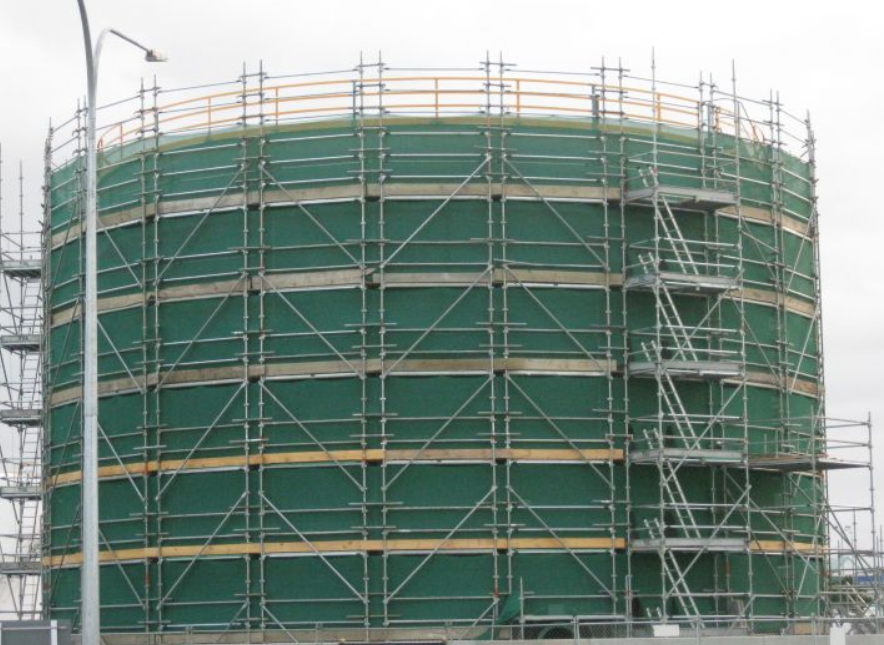
- Construction debris nets: Knotted nets can arrest falling tools, bricks, or concrete fragments. The knots help grip irregular objects and reduce sliding.
- Cargo control: When securing heavy or uneven loads, such as logs or scrap metal, the texture of knotted nets helps prevent shifting and maintains stability.
Choosing the Right Netting
The best choice depends on the specific application. Knotless nets excel where safety, gentle contact, and uniform strength are priorities, while knotted nets are more suitable for high-impact, high-friction, or heavy-duty containment. Evaluating the forces, contact risks, and the nature of the load will guide the appropriate selection.
| Application Category | Recommended Netting Type | Rationale |
|---|---|---|
| Professional Sports | Knotless (e.g., Golf, Tennis, Soccer) | Smooth surface for player safety, professional aesthetics, and consistent ball rebound. |
| Heavy-Impact Sports | Knotted (e.g., Baseball/Softball Backstops) | Superior abrasion resistance against constant, high-velocity ball impacts. |
| Agriculture (Fruit Protection) | بدون عقدة | Prevents bruising and damage to delicate produce. |
| Aquaculture (Fish Pens) | بدون عقدة | Reduces stress and physical injury to fish stock. |
| Construction (Debris/Safety) | معقود | Excellent for containing heavy, irregular, and abrasive materials. Rugged and durable. |
| General Cargo & Logistics | Varies: Knotless for finished goods, Knotted for raw materials. | Choice depends on the need to protect surfaces versus the need to grip irregular loads. |
| Playgrounds & Amusement Parks | بدون عقدة | Critical for ensuring the safety of the public, especially children, by preventing scrapes. |
| Home & Garden (Pest Control) | بدون عقدة | Lightweight, easy to handle, and effective without being abrasive to plants. |
As the table illustrates, the debate over knotted vs. knotless netting is resolved by analyzing the primary function. Is the goal to protect a person from the net, a product from the net, or the net from the product? Answering this question will almost always point toward the correct solution.
Economic Considerations: Cost vs. Long-Term Value
Whether for commercial or private use, cost always matters. But when comparing knotted and knotless netting, the decision shouldn’t stop at the purchase price. What really counts is the total cost over time—installation, maintenance, and how long the net actually lasts.
Upfront Cost: The Obvious Difference
Knotted netting is usually the more affordable option at the start. The manufacturing process is simpler and more established, which helps keep costs down. For projects with tight budgets—or where performance demands aren’t especially high, like temporary fencing or basic barriers—this lower entry price can make it an easy choice.
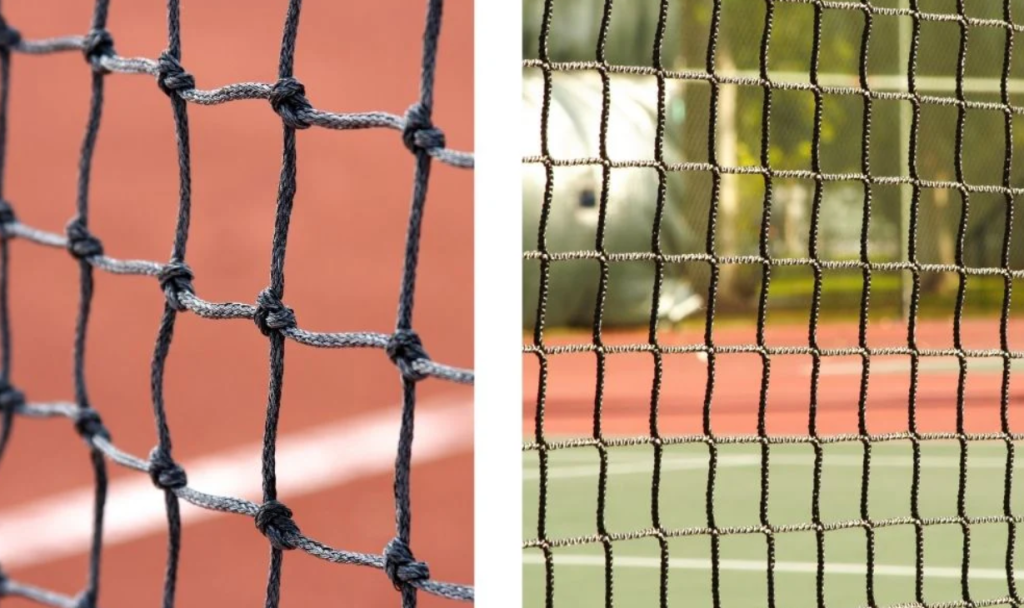
Knotless netting, on the other hand, typically comes at a higher price. It requires more advanced production methods and tighter quality control, especially when made from high-performance materials. That added cost reflects better consistency, strength, and overall performance.
It’s more of an investment than a quick purchase—and that distinction matters.
Installation and Maintenance: Where Costs Start to Shift
The picture changes once installation is factored in.
Knotless netting is generally lighter for the same level of strength. That can reduce the need for heavy support structures, simplify handling, and lower labor requirements. On larger projects, those savings can add up quickly.
Maintenance tells a slightly different story.
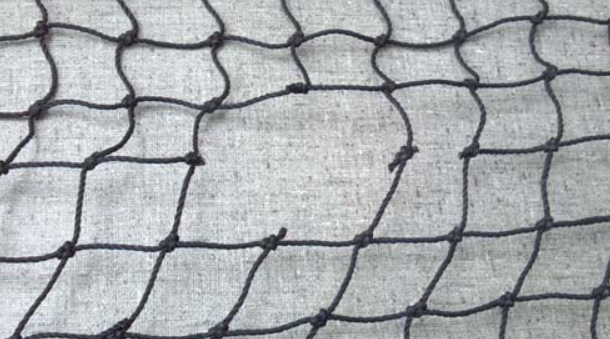
Knotted netting is often easier to repair on the spot. A damaged section can usually be fixed by retying, which is especially useful in remote locations or applications like fishing.
But it also tends to wear out faster, particularly at the knots, which can lead to more frequent repairs.
Knotless netting wears more evenly and typically lasts longer before needing attention. Repairs, when needed, may be a bit more involved—sometimes requiring patching or panel replacement—but they tend to happen less often.
So the trade-off is simple:
easier but more frequent fixes vs. fewer but slightly more complex ones.
Looking at the Bigger Picture: Total Cost of Ownership
The most useful way to compare options is through total cost of ownership (TCO)—in other words, what the net actually costs over its full lifespan.
A simple way to think about it:
TCO = (purchase + installation + maintenance) ÷ years of use
Consider a real-world example:
A coastal driving range needs a 30-foot barrier net.
- Option A: Knotted nylon netting
Lower upfront cost, but heavier, requires stronger support, and may need replacing within 5–7 years due to UV exposure and moisture. - Option B: Knotless polyester netting
Higher upfront cost, but lighter, easier to install, and typically lasts 10–12 years with better resistance to weather.
Even if the second option costs more at the beginning, its longer lifespan and lower ongoing costs can make it the more economical choice overall.
The Bottom Line
The cheapest option upfront isn’t always the most cost-effective in the long run.
Choosing between knotted and knotless netting is less about price alone, and more about how the system performs over time. Factoring in durability, maintenance, and lifespan often leads to a different conclusion—one that favors long-term value over short-term savings.
Customization and Aesthetics: Choosing the Right Fit
In many applications today, netting isn’t just about function—it’s also part of the overall design. Whether it’s a sports facility, a public space, or a residential project, how the net looks and how precisely it fits the need can matter just as much as how it performs.

This is where the differences between knotted and knotless netting become more noticeable.
Mesh Consistency: When Precision Matters
Knotless netting is known for its uniform structure. Because of the way it’s made, each opening in the mesh is nearly identical in size and shape. That level of consistency is important in applications where precision is critical.
In sports, for example, consistent mesh ensures predictable performance. In aquaculture, it helps control what stays in the enclosure while maintaining proper water flow.
Knotted netting is generally consistent as well, but small variations can occur. The knots themselves take up space and can slightly distort the surrounding openings, especially under tension.
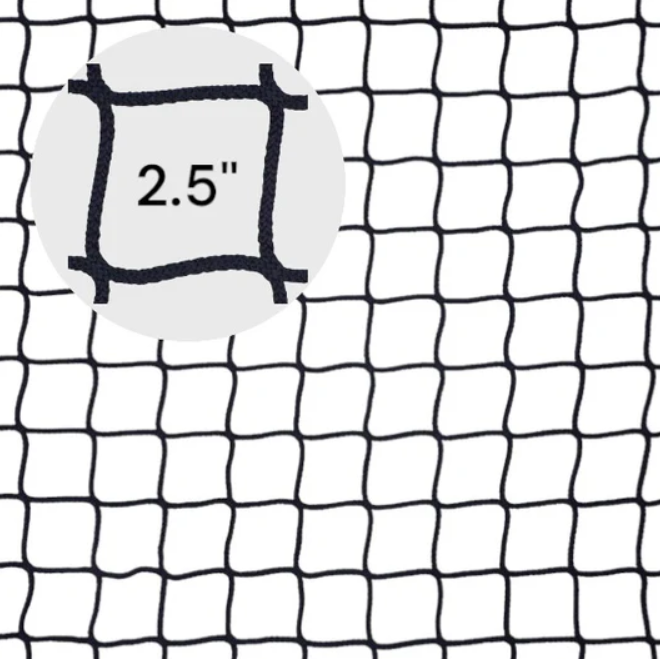
In many everyday uses, this doesn’t matter. But in settings where accuracy is key, knotless netting has a clear advantage.
Appearance: Traditional vs. Modern
The visual difference between the two is easy to spot.
Knotted netting has a more rugged, traditional look. The visible knots give it a strong, utilitarian feel, which works well in industrial, marine, or heavy-duty environments.
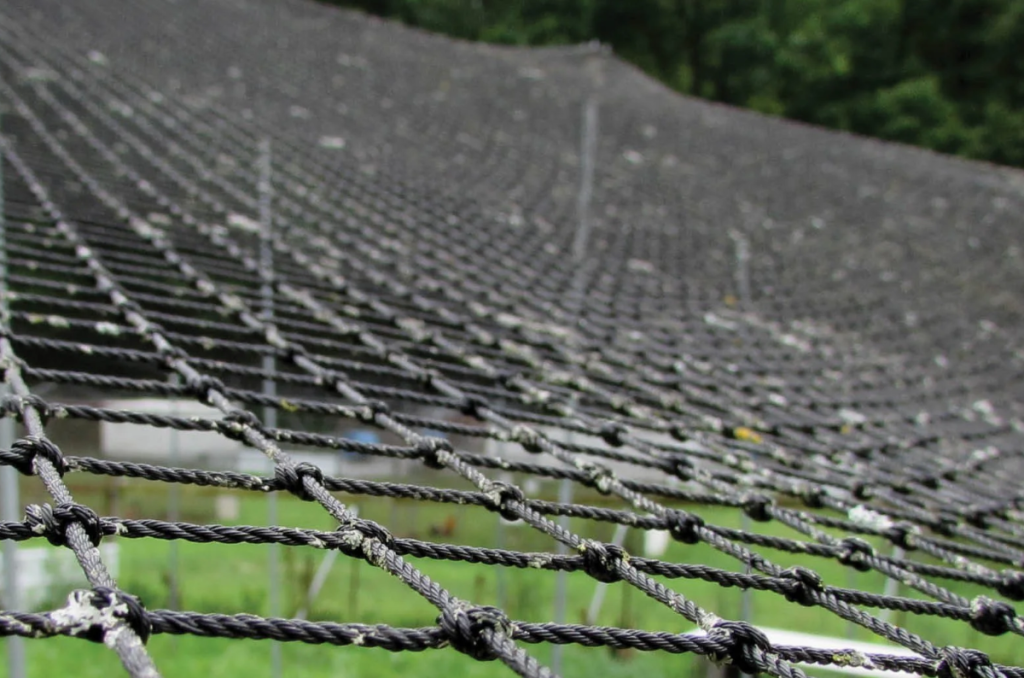
Knotless netting, by contrast, has a cleaner and more minimal appearance. Its smooth surface makes it less visually intrusive and, from a distance, it can almost disappear. This makes it a popular choice for architectural projects, sports venues, and residential spaces where maintaining a clean look is important.
In these settings, reducing visual clutter can make a noticeable difference in the overall experience.
Customization: Designing for Your Application
In practice, choosing between knotted and knotless is just one part of the decision. The best results usually come from tailoring the net to the specific application.
Key factors to consider include:
- البناء: knotted or knotless
- المادة: nylon, polyester, polyethylene, or high-performance fibers
- Twine thickness: depending on strength requirements
- Mesh size: based on what needs to be contained or excluded
- Coatings: for UV resistance, fire retardancy, or color
- التشطيب: borders, grommets, or attachment systems
Working with an experienced manufacturer can make a big difference here. Instead of settling for a standard product, you can develop a solution that fits your exact needs—both technically and visually.
الأسئلة المتداولة
Is knotless netting always stronger?
Not necessarily. Knotless netting often has better overall tensile strength for its weight, but knotted netting can perform better in high-friction environments because the knots take on some of the wear.
Is knotted netting easier to repair?
In many cases, yes. Damaged areas can often be fixed on-site by retying. Knotless netting may require patching or panel replacement.
Which is better for long-term outdoor use?
Material matters most, but knotless polyester netting is often preferred for its durability, UV resistance, and ability to shed water and debris.
Why is knotless netting more expensive?
It requires more advanced manufacturing and tighter quality control, which increases production costs.
How do I choose the right mesh size?
Start with the smallest object you need to stop. The mesh opening should always be smaller than that.
Is knotless netting safer?
Yes, especially in public or recreational spaces. Its smooth surface reduces the risk of cuts or abrasion.
Does weight really matter?
It does. Lighter netting reduces the load on support structures and can lower both installation complexity and overall cost.
الخاتمة
Choosing between knotted and knotless netting isn’t about finding a universally “better” option—it’s about finding the right fit for the job.
Knotted netting remains a reliable choice for tough, high-wear environments where durability under friction is key. It’s proven, practical, and often more budget-friendly upfront.
Knotless netting, on the other hand, is better suited to applications where precision, safety, and appearance matter more. Its lighter weight, uniform structure, and clean look make it a strong choice for modern installations.
In the end, the best solution comes from looking beyond the initial price and considering how the net will perform over time. When properly matched to the application, netting isn’t just a material—it becomes a long-term asset that delivers both function and value.

اقرأ مقالاتنا الأكثر شعبية.
👉 قم بتنزيل فئات منتجاتنا المجانية
👉 كيف أنقذت مزرعة كروم في ولاية أوريغون $50 ألف دولار من خسارة المحاصيل من الطيور
👉 الدليل الشامل لعشرة أخطاء شائعة يرتكبها المزارعون عند تركيب شباك الطيور
👉 كيف تبدأ مشروعًا تجاريًا خاصًا للشبكات: إطار عمل من 5 خطوات للعمل