
In a hockey arena, protective netting is easy to overlook—until the moment it matters.

A puck can leave the stick at well over 100 miles per hour, turning a few ounces of vulcanized rubber into a serious safety risk for spectators. That is why the netting behind the goals and around high-risk areas is not just another facility accessory. It is a critical part of arena safety, spectator confidence, and responsible venue management. The source text you shared focuses on those core concerns: impact absorption, material choice, mesh construction, finishing details, and long-term maintenance.
Choosing the right hockey protective barrier net is not simply a matter of buying “strong enough” material. It requires balancing safety, visibility, durability, installation quality, and ongoing upkeep. The best solution is one that protects fans without disrupting the experience of the game.
Why Protective Netting Matters
Protective netting exists for one purpose: to stop dangerous pucks before they reach the stands. But good netting does more than block impact. It absorbs and disperses force.
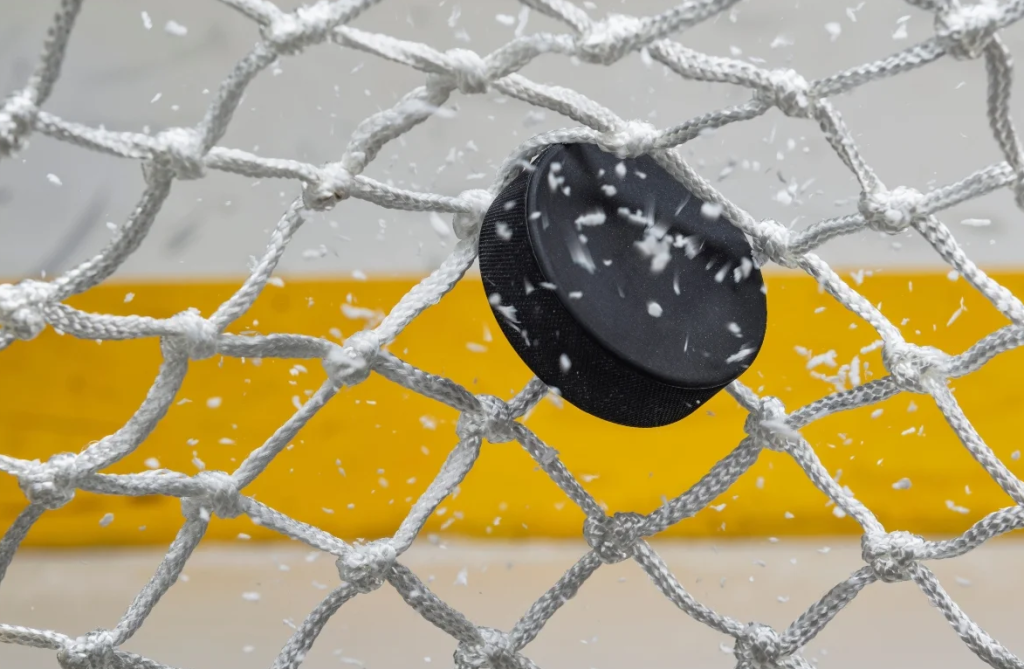
If the net is too rigid, it can cause the puck to bounce unpredictably. If it is too weak, it may fail under repeated impact. The right net gives slightly under force, helping absorb energy while keeping the puck contained. That balance is what makes protective netting effective.
There is also a broader responsibility at play. Arena operators are not only managing a sports venue; they are managing risk. Installing and maintaining reliable protective netting is part of the duty of care owed to every spectator who walks through the door. As your original text makes clear, the decision is as much about trust and stewardship as it is about product specifications.
Start with the Right Material
The first major decision is material selection. In most cases, the choice comes down to nylon or HDPE (high-density polyethylene).
Nylon
Nylon is widely valued for its strength and elasticity. It performs especially well in environments where impact absorption matters, which makes it a strong candidate for indoor hockey arenas. Because it can stretch slightly under force, nylon is often better at handling the repeated shock of high-speed puck impacts.

It also tends to offer a more refined look and feel, which is why many premium facilities favor it.
HDPE
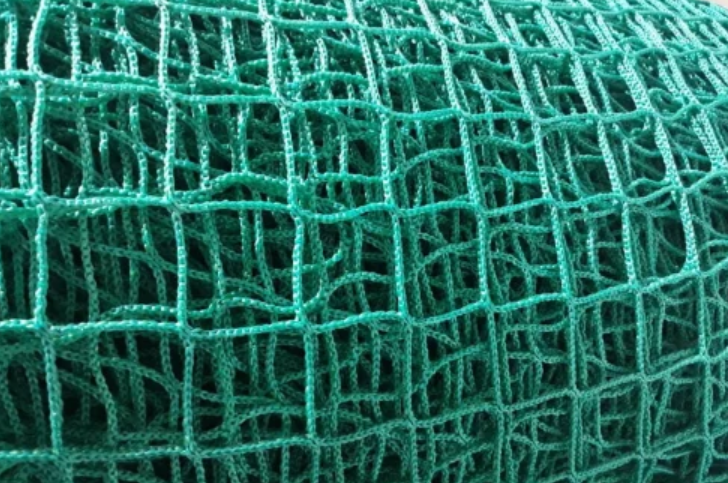
HDPE is known for its durability and weather resistance. It performs well in outdoor or semi-exposed environments where moisture, UV exposure, and temperature swings are bigger concerns. While it may not offer the same level of elasticity as nylon, it is often chosen for its toughness and cost-effectiveness.
A Comparative Analysis: Nylon vs. HDPE
To make an informed decision, it is helpful to visualize the trade-offs. The following table provides a direct comparison of the key attributes of these two materials in the context of hockey barrier netting.
| Caraterística | Nylon | High-Density Polyethylene (HDPE) |
|---|---|---|
| Impact Absorption | Excellent; high elongation absorbs energy, reducing ricochet. | Good; stiffer response, may cause more rebound. |
| Tensile Strength | Very High; one of the strongest synthetic fibers available. | High; strong but generally less than nylon of equal size. |
| UV Resistance | Poor (untreated); requires chemical UV inhibitors for longevity. | Excellent; inherently resistant to UV degradation. |
| Water Resistance | Poor (untreated); absorbs moisture, can sag and lose strength when wet. | Excellent; hydrophobic material does not absorb water. |
| Abrasion Resistance | Good; can be enhanced with bonding treatments. | Very Good; hard, slick surface resists friction. |
| Ideal Environment | Indoor arenas, facilities with controlled lighting. | Outdoor rinks, multi-purpose facilities with high sun exposure. |
| Cost | Generally higher, especially with necessary treatments. | Often more cost-effective for outdoor applications. |
Which one is better?
For most indoor hockey venues, nylon is often the preferred choice because of its impact performance and cleaner appearance. For outdoor or multi-use facilities, HDPE can be the more practical option thanks to its resistance to environmental wear.
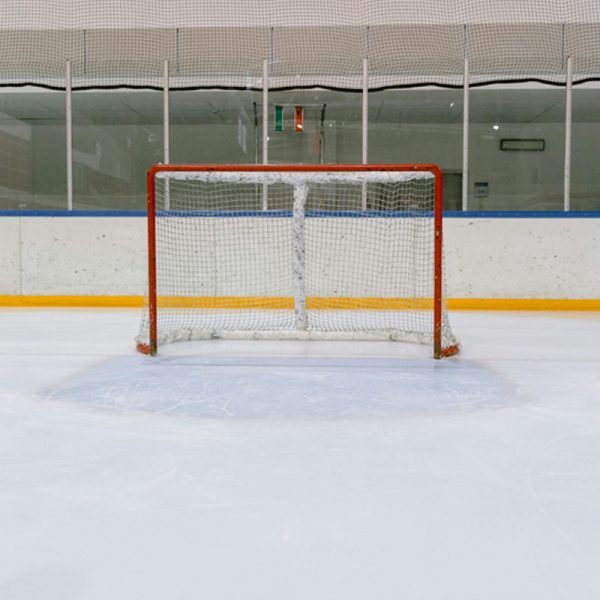
Custom Reliable Performance Field Hockey Barrier Net
Our Field Hockey Fence Net delivers durable protection, consistent performance, and flexible customization, ensuring a safe, professional, and visually appealing playing environment.
Pay Attention to Twine Strength
Material alone does not determine performance. Twine thickness and construction matter just as much.
A thicker twine typically provides greater tensile strength and better long-term resistance to wear. That said, thicker is not always better in every context. Heavier netting can affect visibility, weight load, and installation complexity. The goal is to choose a twine strong enough to handle repeated puck impacts without overbuilding the system unnecessarily.

For hockey applications, protective netting should be specified with impact resistance in mind, not just general-purpose sports use. A net designed for lighter ball sports may not be suitable in a hockey environment.
Mesh Size Affects Both Safety and Sightlines
Mesh size is one of the most important—and most misunderstood—factors.
If the openings are too large, the net may fail at its most basic job: stopping the puck. If the mesh is too tight, the viewing experience can suffer, especially in spectator areas where clear sightlines matter.
The ideal mesh size creates a balance between containment and visibility. Spectators should feel protected without feeling like they are watching the game through a screen door.

This is why many facilities look for netting that offers a fine enough mesh to prevent puck penetration while still maintaining a low visual profile.
Knotted vs. Knotless Netting
The following table summarizes the differences between these two mesh construction styles.
| Caraterística | Knotted Netting | Knotless Netting |
|---|---|---|
| Strength | Good; knots are secure but create a point of weakness in the twine. | Excellent; no knots means the twine retains its full inherent strength. |
| Visibility | Fair; knots are bulky and add to the visual obstruction. | Very Good; flatter intersections create a less obtrusive grid. |
| Durability | Good; knots can be prone to abrasion and wear over time. | Excellent; smooth surface is more resistant to friction and fraying. |
| Weight | Heavier due to the extra material in each knot. | Lighter for the same coverage area. |
| Cost | Generally more economical. | Traditionally more expensive, but prices are becoming more competitive. |
| Appearance | Traditional, diamond or square mesh look. | Sleek, modern, and very uniform appearance. |
One of the clearest ways to improve both performance and appearance is to consider knotless netting.
Traditional knotted netting has long been used in sports facilities and remains a practical option. It is typically more economical and familiar to installers. But every knot creates a small bulk point in the structure, which can slightly reduce visibility and introduce localized wear over time.
Knotless netting offers a cleaner and more modern alternative.
Because it does not rely on knots at each intersection, the twine can retain more of its inherent strength. The surface is smoother, lighter, and often less visually intrusive. In a hockey arena, that can make a real difference for spectator experience. The original text also notes that knotless netting generally provides better strength-to-weight performance and less visual obstruction than knotted options.
For venues that want a premium look and better sightlines, black knotless nylon netting is often considered one of the strongest options available.
Finishing Details Matter More Than People Think
A roll of netting is only raw material. What turns it into a reliable protective barrier is the finishing process.
This includes edge reinforcement, perimeter rope borders, shaping, sewing, and custom fabrication. These details are essential because the highest stress in a net system often appears at the edges and attachment points.
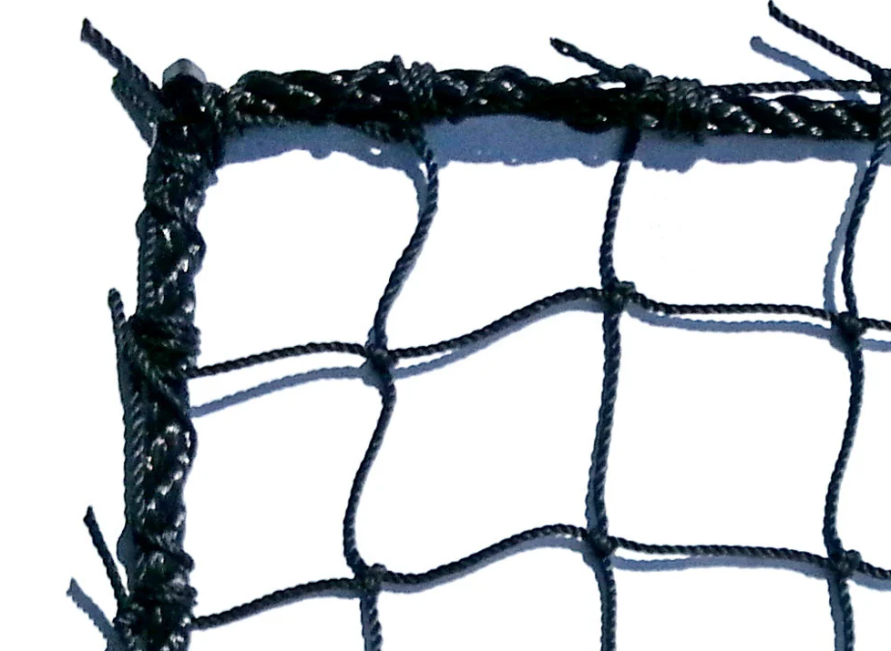
A properly reinforced rope border helps:
- distribute tension across the entire panel
- reduce stress concentration at the edges
- provide a secure attachment point for installation
- improve long-term durability
This part of the system is easy to underestimate, but poor finishing can shorten the life of an otherwise high-quality net.
Installation Is Part of the Product
Even the best netting can underperform if it is installed poorly.
Tension must be correct. Support structures must be secure. Attachment points need to be designed for repeated load, not just initial fit. Custom-shaped panels are often necessary to ensure full coverage in the intended area, especially in arenas with unique layouts or structural constraints.
Protective netting should never be treated as a one-size-fits-all purchase. Every venue has different dimensions, viewing priorities, and risk zones. A tailored installation almost always delivers better results than trying to adapt a generic net to a specialized environment.
Maintenance Is Not Optional
Protective netting is not a set-it-and-forget-it system.
Over time, repeated impacts, environmental exposure, friction, and tension can weaken even high-quality materials. That is why regular inspection is essential. Arena staff should check for fraying, stretching, broken strands, damaged edges, and wear around support points.
A maintenance plan should include:
- routine visual inspections
- scheduled tension checks
- prompt repair of damaged sections
- replacement planning based on wear patterns and usage intensity
As the original text emphasizes, installation is only the beginning. Long-term safety depends on continued oversight and responsible maintenance.
What Makes a High-Quality Hockey Barrier Net?
If you want a simple checklist, a strong hockey protective net should offer:
- reliable impact absorption
- material suited to the venue environment
- twine strength appropriate for repeated puck impact
- mesh sizing that protects without ruining sightlines
- reinforced edges and durable finishing
- proper custom installation
- a clear maintenance and inspection plan
That combination is what separates a basic net from a truly dependable safety system.
Final Thoughts
Choosing the right net for a hockey protective barrier is ultimately about more than specifications. It is about creating an arena where safety and experience work together.
The best protective netting does its job quietly. Spectators may barely notice it, but they benefit from it every second of the game. For venue operators, that quiet reliability is exactly the point.
A thoughtful choice—one that considers material, mesh, construction style, fabrication, installation, and maintenance—does more than meet a requirement. It protects people, supports the integrity of the venue, and builds trust over the long term.
That is what good arena safety looks like.

Leia os nossos artigos mais populares.
👉 Descarregar as nossas categorias de produtos gratuitas
👉 A 5-Point Buyer’s Guide to The True Cost of Sourcing: Beyond the Price Tag
👉 A 5-Step Expert Guide: “Made to Order”: A Look at Our Custom Netting Process
👉 Manufacturing vs. Local Suppliers: A Netting Buyer’s Guide — 7 Data-Backed Factors
👉 Como iniciar um negócio de redes de marca própria: Uma estrutura de 5 etapas para o trabalho
👉 O fabrico chinês vs. fornecedores locais: Guia do comprador de redes