
The integration of irrigation systems with mulch nets presents a sophisticated strategy for enhancing agricultural productivity and resource stewardship. This approach establishes a synergistic relationship where mulch netting, typically a woven polypropylene fabric, significantly reduces evaporative water loss from the soil surface.
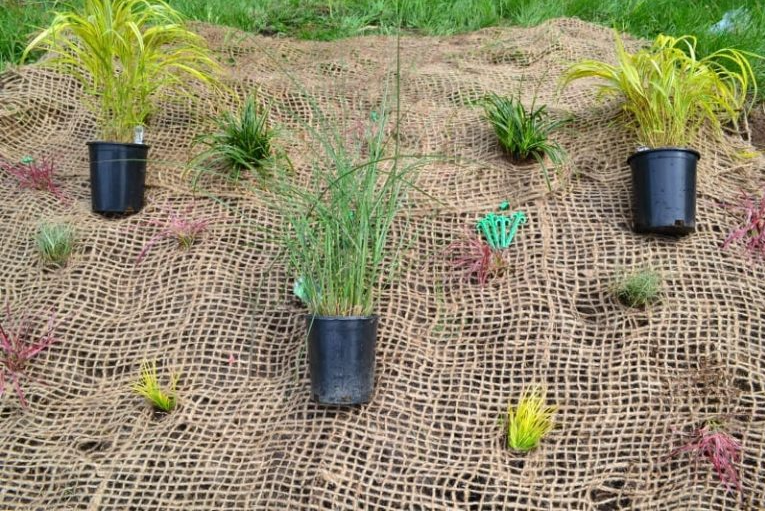
This reduction in evaporation directly enhances the efficiency of targeted water delivery methods, most notably drip irrigation. By delivering water directly to the plant’s root zone beneath the protective mulch layer, water usage can be diminished by as much as 70% compared to traditional overhead watering.
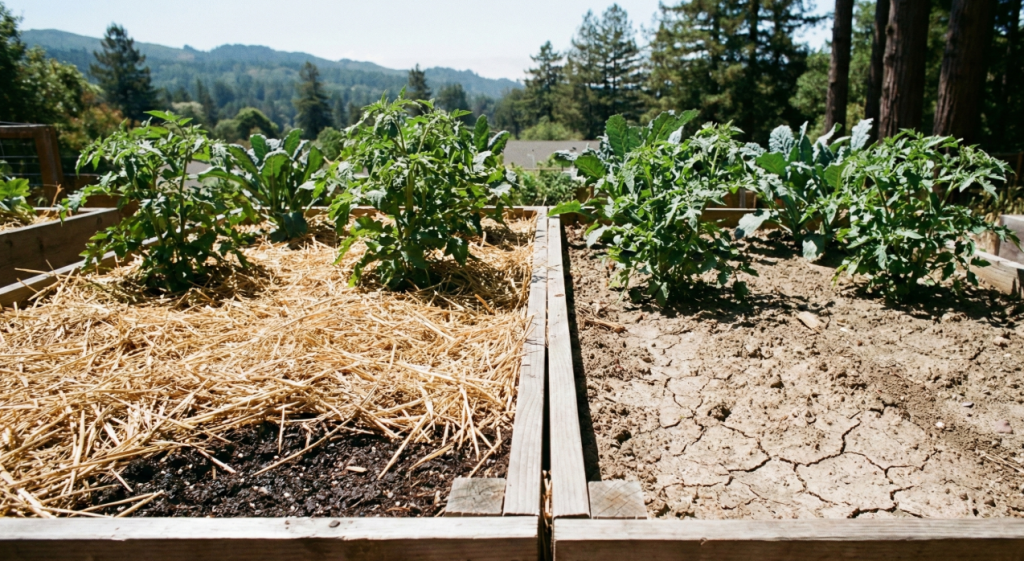
Concurrently, the mulch net functions as a physical barrier, suppressing the germination and growth of competing weeds, which lessens the need for manual labor or herbicides. This combined methodology not only conserves water and reduces weeding efforts but also moderates soil temperature, prevents soil crusting, and reduces the incidence of soil-borne diseases splashing onto plant foliage. The resulting stable and optimized root-zone environment fosters more vigorous plant growth and can lead to substantial improvements in both crop yield and quality.
Principaux enseignements
- Integrate drip lines under mulch nets to maximize water conservation.
- Select mulch net color based on climate and crop heating needs.
- Proper soil preparation is fundamental before laying any materials.
- This grower’s guide to combining irrigation systems with mulch nets improves yield.
- Regularly inspect filters and emitters to prevent system clogs.
- Plan your layout for crop rotation and future expansion.
- Store components properly at season’s end to extend their lifespan.
Foundational Principles: Understanding the Symbiotic Relationship
Before one can begin the physical process of laying pipes and rolling out netting, it is intellectually vital to grasp the core principles that make this combination so powerful. This is not merely a matter of placing one material on top of another; it is about creating a micro-ecosystem, a carefully engineered environment where water, soil, and plant can interact with maximum efficiency and minimal waste. To understand the synergy, we must first appreciate the individual contributions of each component. Think of it as understanding the capabilities of each musician before you can appreciate the harmony of the orchestra.
The Science of Mulching: Beyond Simple Weed Block
At its most basic level, a mulch net is a physical impediment to sunlight, which is essential for the germination of most weed seeds. By blocking light, it performs the invaluable task of weed suppression, drastically reducing the competition for water, nutrients, and space that your crops would otherwise face (Gordon et al., 2010). Yet, its function extends far beyond this.
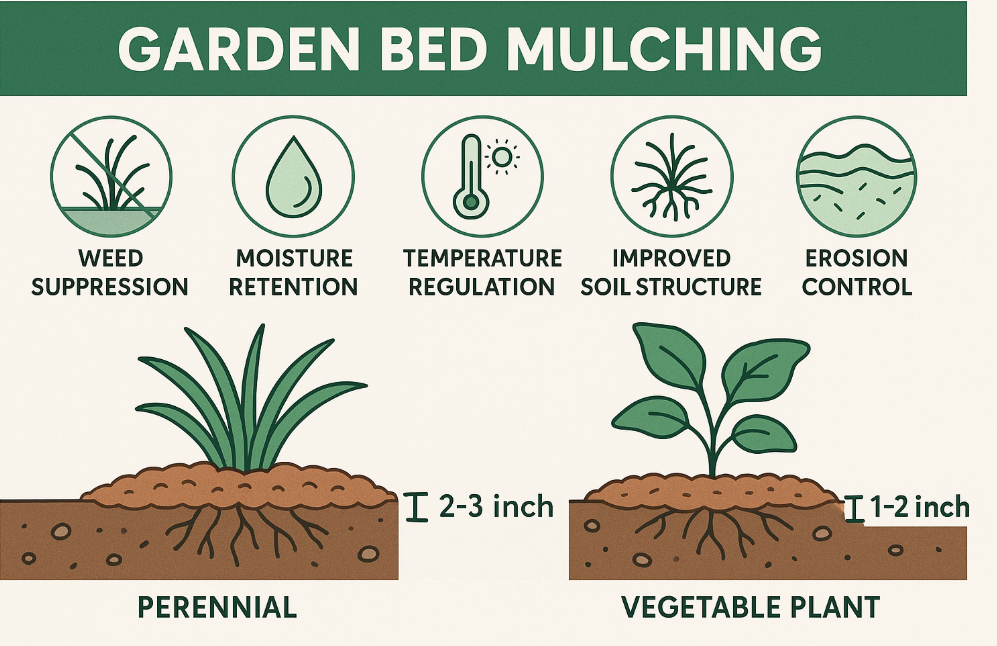
The net acts as a blanket over the soil. One of its most profound effects is the regulation of moisture. Imagine the sun beating down on bare soil. A significant portion of the water within that soil, especially near the surface, is lost to the atmosphere through evaporation. The mulch net intercepts that solar energy and creates a boundary layer of more humid air between the soil and the open atmosphere, dramatically slowing the rate of evaporation. This means the water you apply stays in the soil, available to plant roots, for a much longer period.
Furthermore, the netting modifies the soil’s thermal profile. A dark-colored net will absorb sunlight and warm the soil, which can be a tremendous advantage in cooler climates or for getting an early start in the spring. Conversely, a lighter-colored or reflective net can keep the soil cooler in intensely hot climates, protecting sensitive root systems from heat stress (Lamont, 2005).
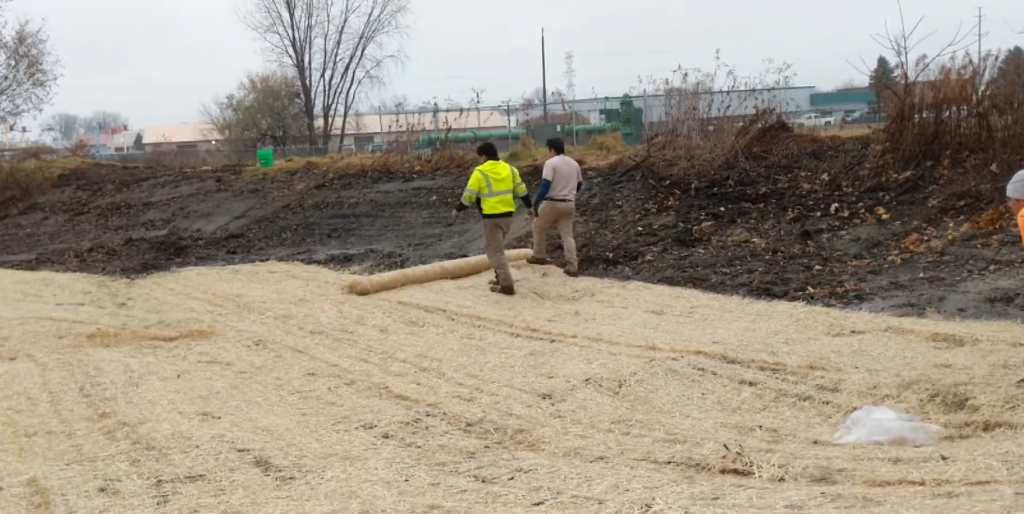
This ability to manipulate the soil temperature is a powerful tool for extending growing seasons and optimizing plant health. Finally, it shields the soil from the impact of heavy rainfall, preventing the compaction and crusting that can hinder water infiltration and seedling emergence.
The Logic of Precision Irrigation: Delivering Water Where It Counts
Now, let’s turn our attention to the irrigation component. Traditional methods, like overhead sprinklers, are inherently inefficient. A large percentage of the water can be lost to evaporation before it even reaches the ground. What does reach the ground often waters the entire area, including the spaces between rows where weeds are all too happy to grow.
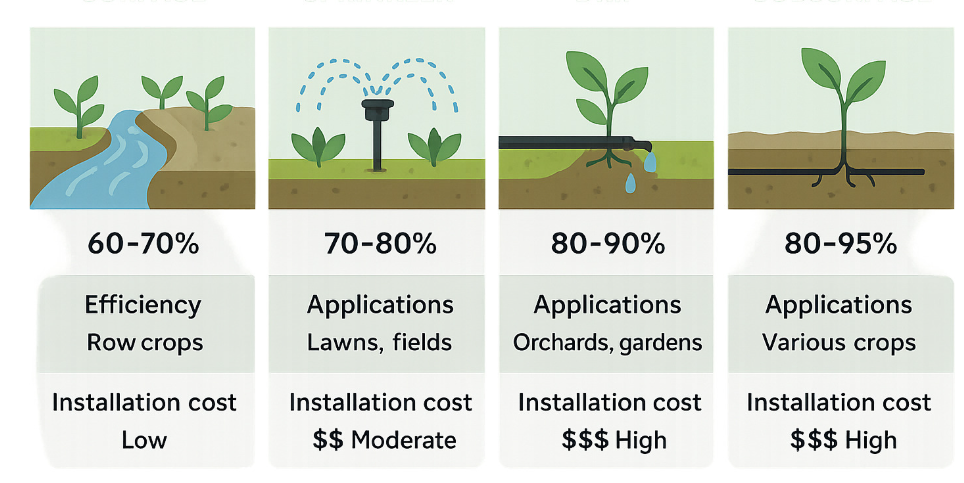
Precision irrigation, epitomized by drip systems, operates on a fundamentally different philosophy. As the name suggests, it is about precision. Water is delivered slowly and directly to the specific area where it is needed most: the plant’s root zone. This is accomplished through a network of tubes and emitters that release water at a controlled, low-flow rate. Consider the difference between using a broad firehose to water a single potted plant versus using a delicate watering can. Drip irrigation is the watering can, providing a gentle, targeted application that minimizes waste.
This method keeps the soil surface between rows dry, further discouraging weed growth. It also keeps the foliage of the plants dry, which can significantly reduce the pressure from many common fungal diseases like powdery mildew or blight, which thrive on moist leaves.
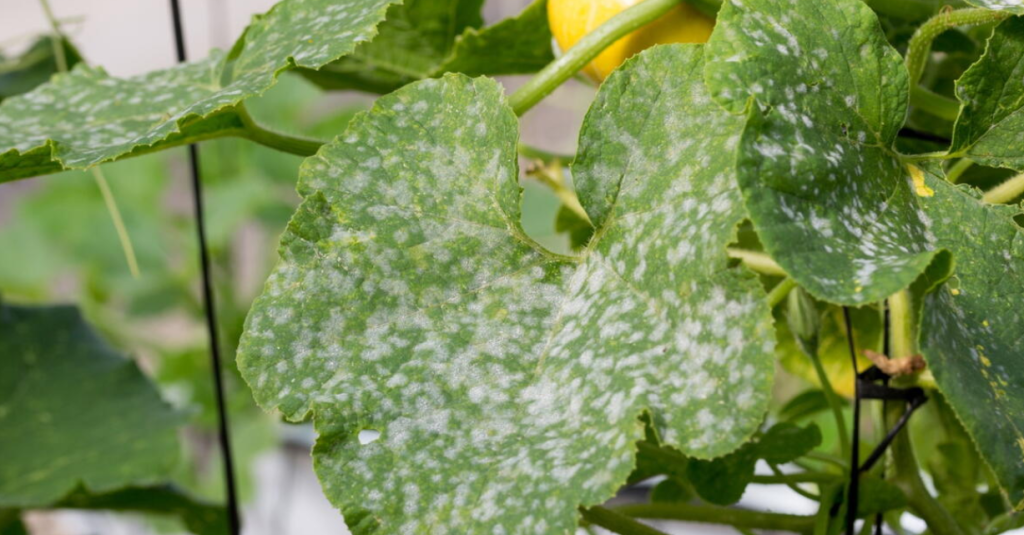
The goal of precision irrigation is not just to water the plant, but to maintain an ideal and consistent level of moisture within the root zone, avoiding the stressful cycles of saturation and drought that can occur with other watering methods (Shock, 2013).
The Synergy Unveiled: Why Together is Better
When you combine these two technologies, их individual benefits are not just added, they are multiplied. The mulch net dramatically reduces the evaporation of the water that the drip system so carefully places. The water is applied under the net, directly into the soil, where it is shielded from the sun and wind. This creates a closed loop of extreme efficiency. The water goes to the roots and stays there.
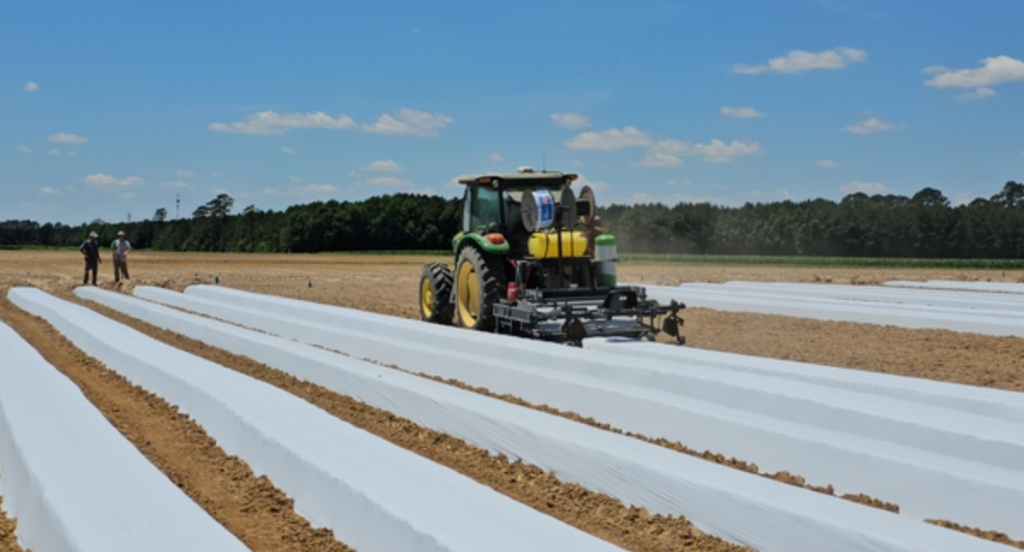
Think about it this way: the drip system whispers water to the plant’s roots, and the mulch net cups its hands around the whisper, ensuring not a drop is carried away by the wind. The result is a system that can use 50-70% less water than conventional methods while producing healthier, more robust plants. The stable moisture and temperature, combined with the lack of weed competition, creates a near-perfect growing environment. This is the essence of the symbiotic relationship. It is an engineered solution that mimics the most efficient aspects of a natural, undisturbed forest floor, where a layer of leaf litter performs many of the same functions as the mulch net.
| Fonctionnalité | Traditional System (Sprinkler, Bare Soil) | Integrated System (Drip Irrigation + Mulch Net) |
|---|---|---|
| Water Efficiency | Low (30-50% loss to evaporation/runoff) | High (90-98% water reaches root zone) |
| Weed Growth | High (entire area is watered) | Very Low (net blocks light, soil between rows is dry) |
| Soil Moisture | Fluctuates (wet/dry cycles) | Stable and Consistent |
| Soil Temperature | Unregulated, subject to daily swings | Moderated (warmer or cooler depending on net color) |
| Disease Pressure | High (wet foliage encourages fungal growth) | Low (foliage remains dry) |
| Labor for Weeding | High and Continuous | Minimal |
| Nutrient Leaching | Higher (due to large water volume) | Lower (precise watering keeps nutrients in root zone) |
Step 1: Strategic Planning and System Design
The success of an integrated irrigation and mulch net system is overwhelmingly determined before the first shovel of dirt is turned. The planning phase is an exercise in foresight, a thoughtful deliberation on the unique characteristics of your land, your crops, and your goals. Rushing this stage is a false economy; the time invested in meticulous design will pay dividends in water savings, reduced labor, and increased yields for years to come. It requires you to be a cartographer, a biologist, and an engineer all at once.
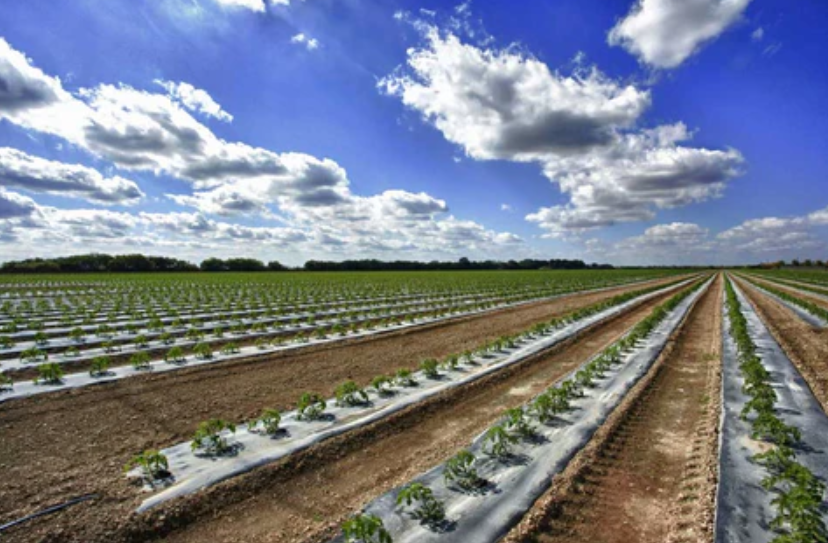
Assessing Your Cultivation Area: Soil, Slope, and Sunlight
Your first task is to become intimately familiar with your growing area. This is not a passive observation but an active analysis.
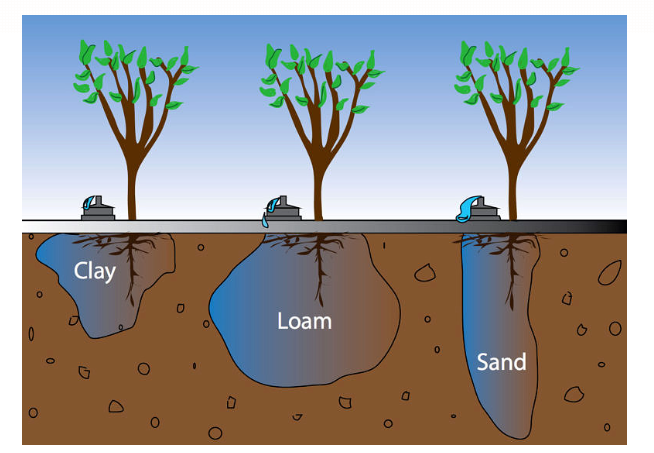
Begin with the soil. What is its texture? Is it a heavy clay that holds water tenaciously, a sandy soil that drains in a flash, or a well-balanced loam? A simple “jar test” can give you a good indication. The soil type will dictate the type of drip emitters you choose and their spacing. Clay soils allow for wider spacing as water spreads laterally, while sandy soils require tighter spacing to prevent water from percolating straight down, past the root zone.
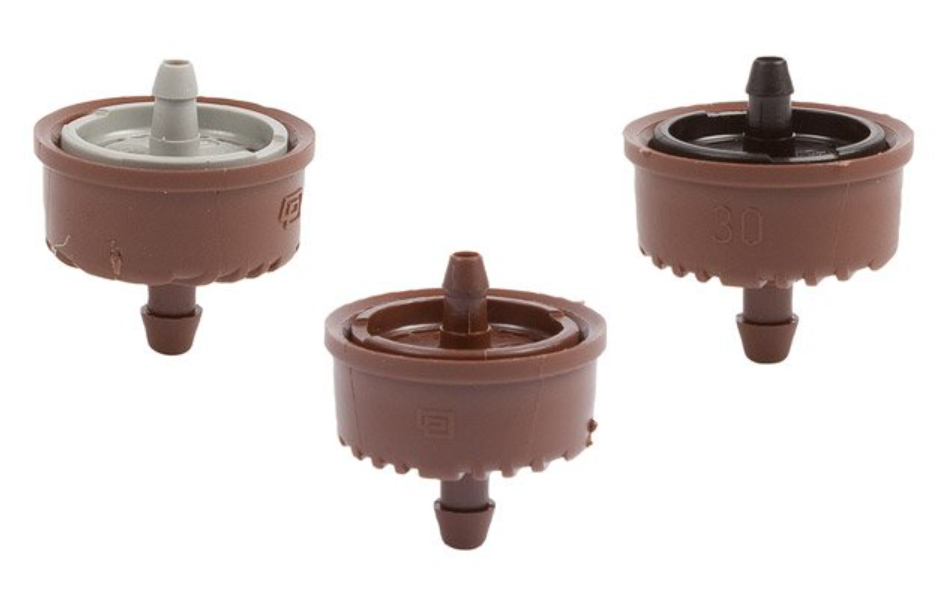
Next, consider the topography. Is your field perfectly flat, or does it have a discernible slope? Even a slight grade can have a dramatic impact on a drip system. On a slope, emitters at the lower end will release more water than those at the higher end due to the difference in water pressure. For any significant slope, you must plan to use pressure-compensating (PC) drip emitters. These remarkable devices contain a small diaphragm that regulates water flow, ensuring each emitter delivers the same amount of water, regardless of its position on the line. You should also plan to run your drip lines across the slope, not up and down it, to minimize pressure variations.

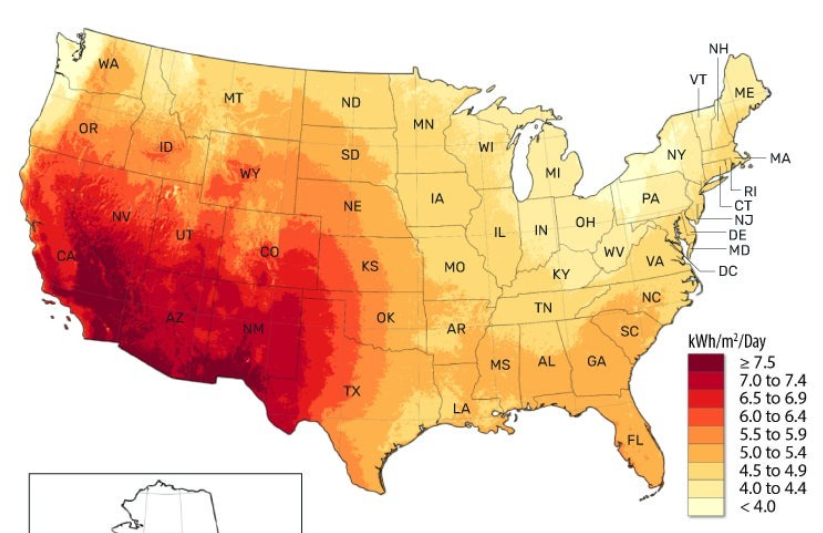
Finally, map the sunlight. Observe how the sun travels across your property throughout the day and the season. Are there areas that receive intense afternoon sun? These spots will have higher rates of evapotranspiration and may require slightly more water. Are there areas shaded by trees or buildings? These might be prone to staying too wet. This solar map will also inform your choice of mulch net color.
Choosing the Right Irrigation System for Mulch Net Integration
While the concept is precision irrigation, the specific hardware matters. The most common and effective choice for pairing with mulch nets is a drip irrigation system. However, “drip system” is a broad category.
Drip tape is a popular choice for large-scale annual vegetable production. It is a thin-walled tubing with pre-installed emitters at regular intervals (e.g., every 6, 8, or 12 inches). It is relatively inexpensive and effective, but it is less durable and often considered a single-season product.
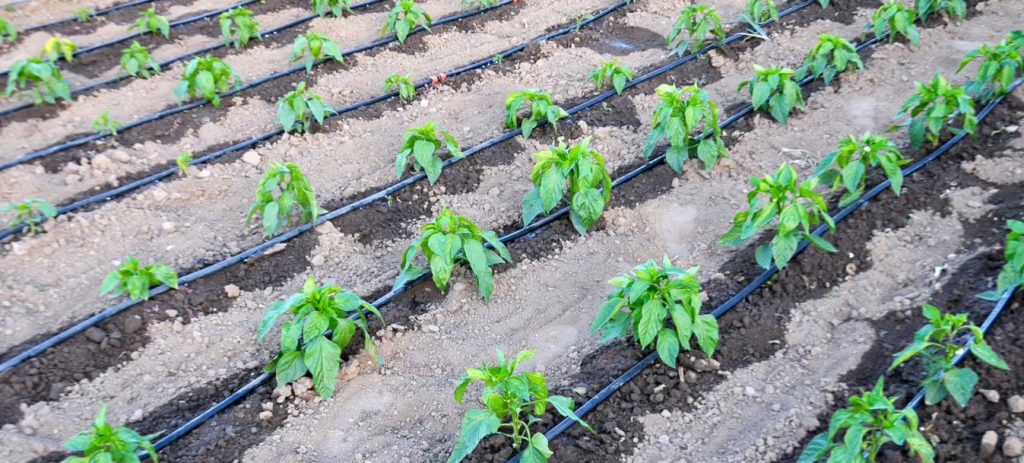
For perennial plantings, orchards, or high-value crops, individual drip emitters (also called drippers) are a more robust solution. These are punched into solid polyethylene tubing at custom-spaced intervals that you determine, matching the exact location of each plant. They come in a vast array of flow rates (e.g., 0.5, 1, or 2 gallons per hour) and are available in pressure-compensating models. This allows for a highly customized and long-lasting system.
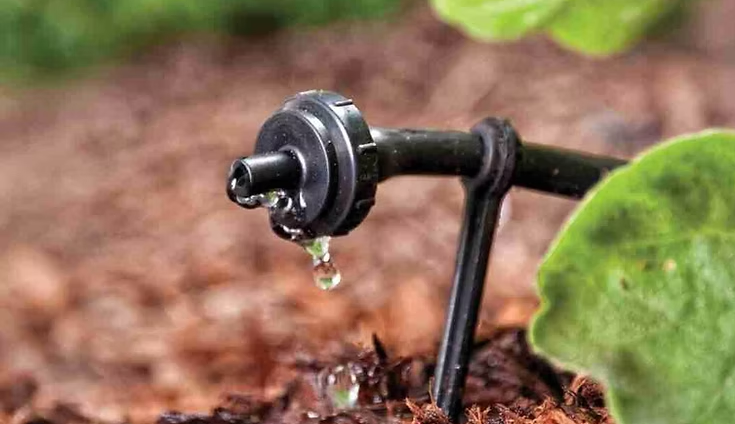
Soaker hoses, which are porous pipes that “weep” water along their entire length, are a simpler option, often used in home gardens. While they can work with mulch nets, they are less precise than drip emitters. They can be prone to uneven watering, especially over longer distances, and are more susceptible to clogging from mineral deposits in the water. For any serious agricultural endeavor, a true drip system is the superior choice.
Regardless of your choice, a filtration system is non-negotiable. Drip emitters have very small orifices that can be easily clogged by sand, silt, or organic matter. A good filter, placed at the head of your system, is the single most important component for ensuring its longevity and reliability.
Selecting the Ideal Mulch Net

The material’s weave density is a primary consideration. A tighter weave will be more effective at blocking weeds and will be more durable, but it may have a slightly lower water permeability for any rain that falls. A looser weave is more permeable but may allow some aggressive weeds, like nutsedge, to push through.
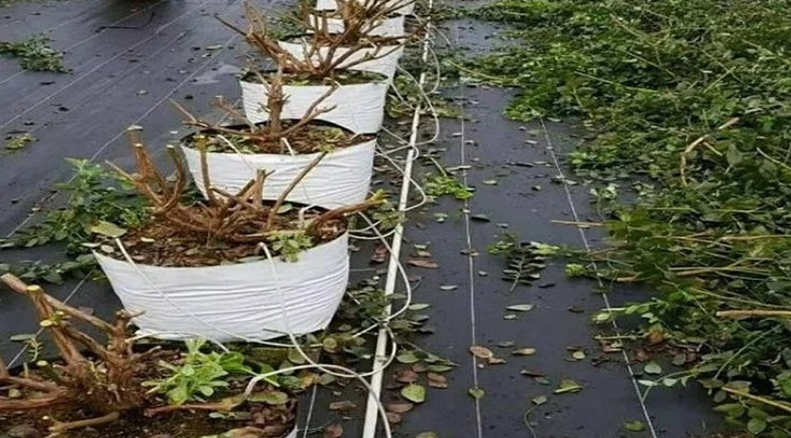
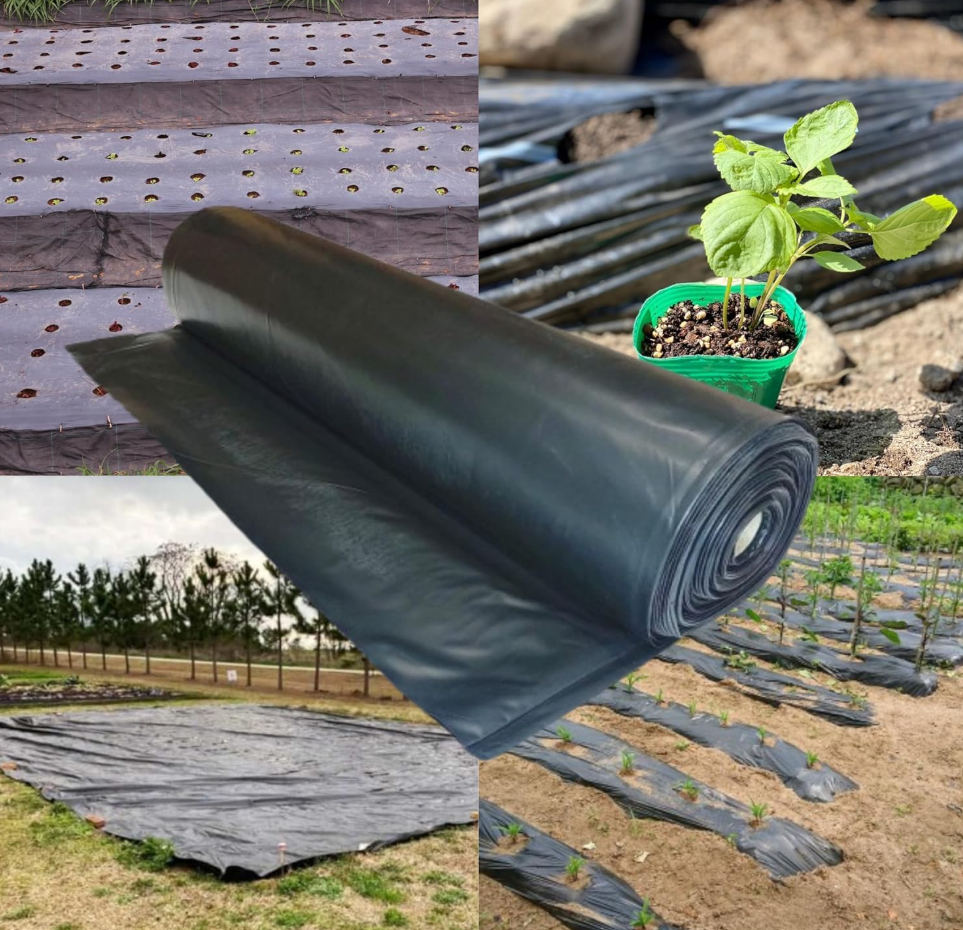
Color is perhaps the most strategic choice you will make. Black is the most common. It is the most effective at blocking light for weed control and excels at warming the soil (Lamont, 2005). This is ideal for heat-loving crops like tomatoes, peppers, and melons, especially in temperate or cool climates. In very hot regions, however, black mulch can sometimes overheat the root zone. In such cases, a white or white-on-black mulch net is a better option. The white surface reflects solar radiation, keeping the soil several degrees cooler while the black underside still prevents weed growth. Other colors, like red or silver, have been researched for their effects on specific crops and pests, but black and white are the most universally applicable.
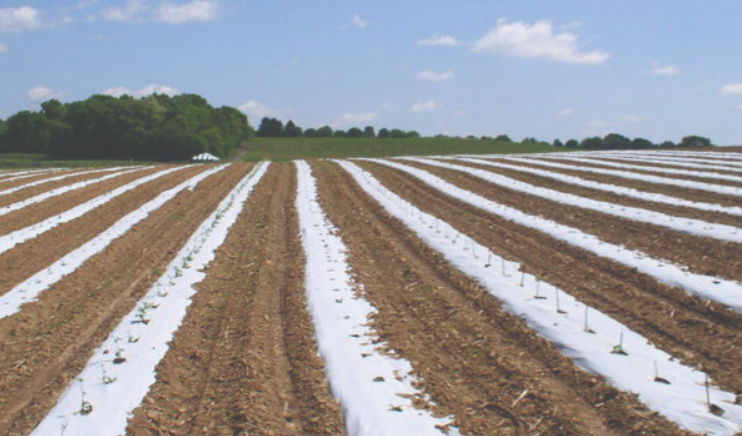
Durability, often indicated by the material’s weight (e.g., ounces per square yard) or thickness (mils), is another factor. A heavier, thicker net will cost more upfront but will withstand foot traffic, machinery, and UV degradation for many more seasons, improving the return on your investment. For growers with unique field dimensions or specific crop row spacing, sourcing from a supplier that offers custom agricultural netting can be a significant advantage, eliminating waste and ensuring a perfect fit.
Creating a Layout Map: A Blueprint for Success
The final act of planning is to translate all these decisions into a physical map. This can be a simple drawing on graph paper or a more sophisticated CAD design. Your map should clearly show:
- The location of the water source.
- The placement of the main and sub-main irrigation lines.
- The path of each individual drip lateral, including its length.
- The spacing of emitters along the laterals.
- The location of key components like the filter, pressure regulator, and shut-off valves.
- The dimensions and placement of the mulch net sections.
- The spacing of crop rows and the plants within them.

A well-drawn map is more than just a guide for installation. It is a working document. It allows you to calculate the total length of tubing and netting you need to purchase. It helps you calculate the system’s total flow rate, ensuring it does not exceed the capacity of your water source. It becomes an invaluable tool for future troubleshooting and a historical record for planning crop rotations in subsequent years.
Step 2: Preparing the Soil and Laying the Groundwork
With a robust plan in hand, the focus shifts from the theoretical to the terrestrial. The preparation of the soil is a foundational act of stewardship. You are not merely clearing a space; you are creating a welcoming home for your plants, a medium that is fertile, well-structured, and free from initial weed pressure. This preparatory work is laborious but profoundly impactful, setting the stage for everything that follows. Skipping or rushing these steps is like building a house on a shaky foundation.
Tillage and Soil Amendment: Creating a Hospitable Seedbed
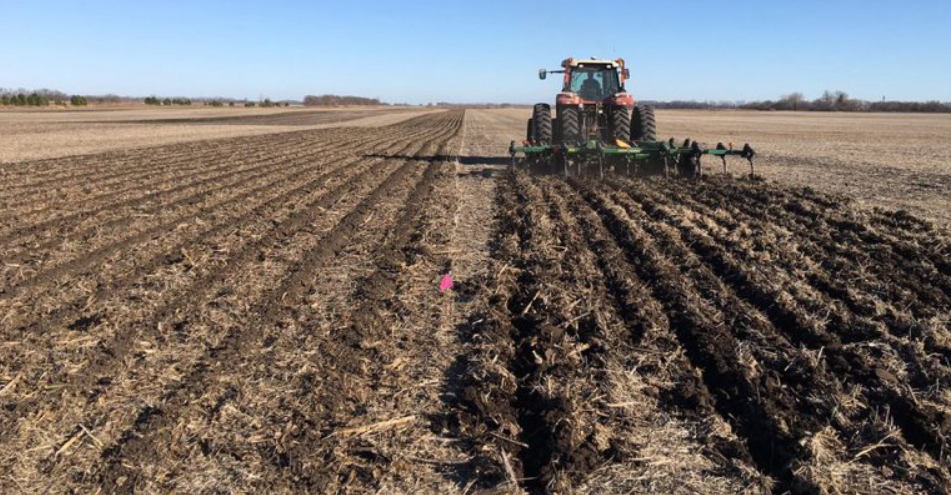
The first physical step is to work the soil. The goal of tillage is to break up compacted layers, improve aeration, and create a fine, uniform texture that is suitable for planting. The depth and intensity of tillage will depend on your soil type and its current condition. For heavily compacted soils, a deeper initial tilling may be necessary. However, it is a modern agricultural tenet to till as little as necessary to achieve the desired result, as excessive tillage can damage soil structure and deplete organic matter over time.
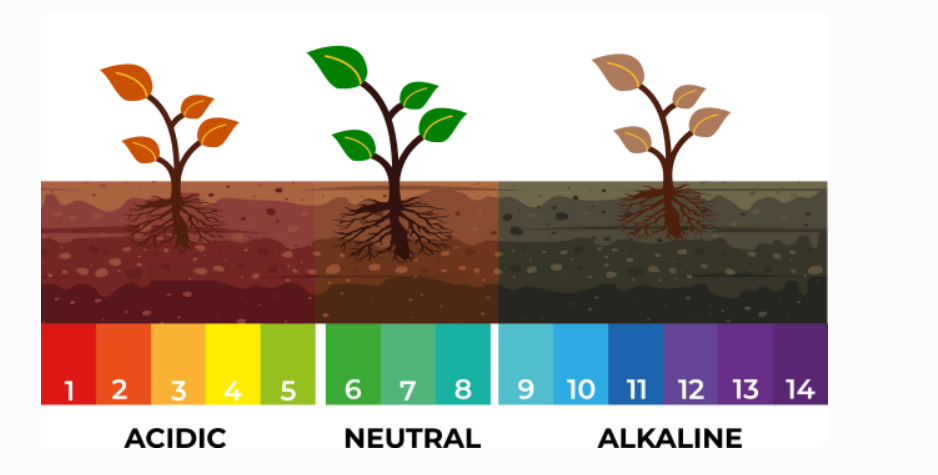
This is also the moment to incorporate soil amendments. A soil test, conducted in the planning phase, is your guide here. It will tell you the pH of your soil and the levels of key nutrients. Based on these results, you might add lime to raise the pH, sulfur to lower it, or compost to improve structure and fertility. Compost is almost universally beneficial. It acts like a sponge, improving water retention in sandy soils and improving drainage in heavy clay soils. It provides a slow release of nutrients and fosters a healthy ecosystem of beneficial microbes. Spread your amendments evenly over the surface before making your final tilling pass to ensure they are thoroughly mixed into the top several inches of soil.
Pre-Irrigation and Weed Management
This may seem counterintuitive, but one of an effective way to manage weeds is to encourage them to grow. After your initial tillage, if time allows, irrigate the entire bare field. This will trigger the germination of a large portion of the weed seeds present in the top layer of soil. This is known as bringing up a “weed flush.”
Wait for a week or two until this carpet of new weeds is visible. Then, eliminate them. This can be done through a very shallow cultivation (eking or flame weeding, which uses a targeted burst of heat to kill the young plants. By doing this, you expend a huge portion of the “weed seed bank” in the soil before your valuable crops are even in the ground and before the mulch net is laid. This single step can dramatically reduce the number of weeds that later try to sneak through the planting holes in your mulch, which are the most difficult weeds to control in this system.

Shaping the Beds: The Foundation for Your System
The final step in soil preparation is to form the beds where your crops will grow. For many crops, especially vegetables, growing on slightly raised beds is highly advantageous. A raised bed, typically 4-8 inches high and 30-36 inches wide, offers several benefits.
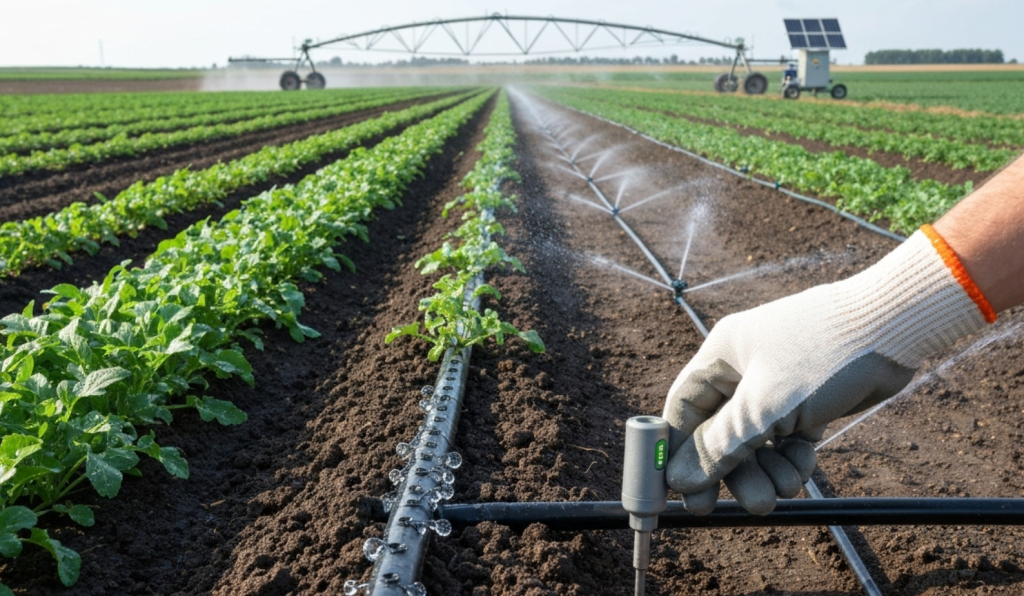
It warms up faster in the spring, allowing for earlier planting. It provides excellent drainage, preventing water from pooling around plant crowns, which can lead to root rot. A raised bed also creates a deeper layer of loose, amended soil, giving roots an ideal environment to expand into. Most importantly for our integrated system, it creates a defined, elevated platform that makes the installation of drip tape and the laying of mulch netting much more straightforward and uniform.

These beds can be formed with a tractor-drawn bed shaper for large areas or with a rake and hoe for smaller gardens. The goal is to create beds that are uniform in height and width, with a flat or slightly crowned top. The precision you achieve here will translate directly into a more uniform application of the mulch net and more consistent moisture levels across the row.
| Mulch Net Material | Primary Composition | Typical Lifespan (UV Stabilized) | Key Characteristics | Best Use Case |
|---|---|---|---|---|
| Woven Polypropylene | Extruded polypropylene yarns woven into a fabric | 5-10+ years | Extremely strong, tear-resistant, good UV stability, allows water/air permeability. | Long-term use, perennial crops, orchards, high-traffic areas. |
| Spunbond Polyethylene | Non-woven polyethylene fibers bonded by heat | 1-3 years | Lighter weight, less expensive, effective weed block, can be less tear-resistant. | Annual vegetable production, shorter-term applications. |
| Biodegradable (e.g., PLA) | Polylactic acid (corn starch) or other biopolymers | 3-12 months | Breaks down into soil, eliminates removal labor and plastic waste. | Certified organic farming, single-season crops where removal is costly. |
| Paper/Cellulose | Recycled paper or cellulose fibers | 2-4 months | Fully biodegradable, adds organic matter, poor durability in wet conditions. | Short-season crops, home gardening, areas with low foot traffic. |
Step 3: The Precise Installation of Irrigation and Mulch Nets
This is the phase where the blueprint from your planning stage becomes a physical reality. It is a process that rewards methodical work and attention to detail. Precision during installation is not about aesthetics; it is about function. A properly installed system will operate reliably for years, while a hastily assembled one will be a constant source of frustration, leaks, and clogs. Approach this task with patience, treating each connection and every seam as a critical component of the whole.
Installing the Irrigation Mainlines and Laterals
Your irrigation installation begins at the water source. The “head assembly” is the brain of your operation. This typically consists of, in order: a backflow preventer (to protect your water source from contamination), a filter, a pressure regulator, and a connection for a fertilizer injector (if you plan to fertigate). Do not compromise on these components. The filter is the life insurance for your drip emitters, and the pressure regulator ensures the system operates at the low pressure for which it was designed (typically 10-30 PSI), preventing burst lines and blown-out emitters (Burt et al., 1995).
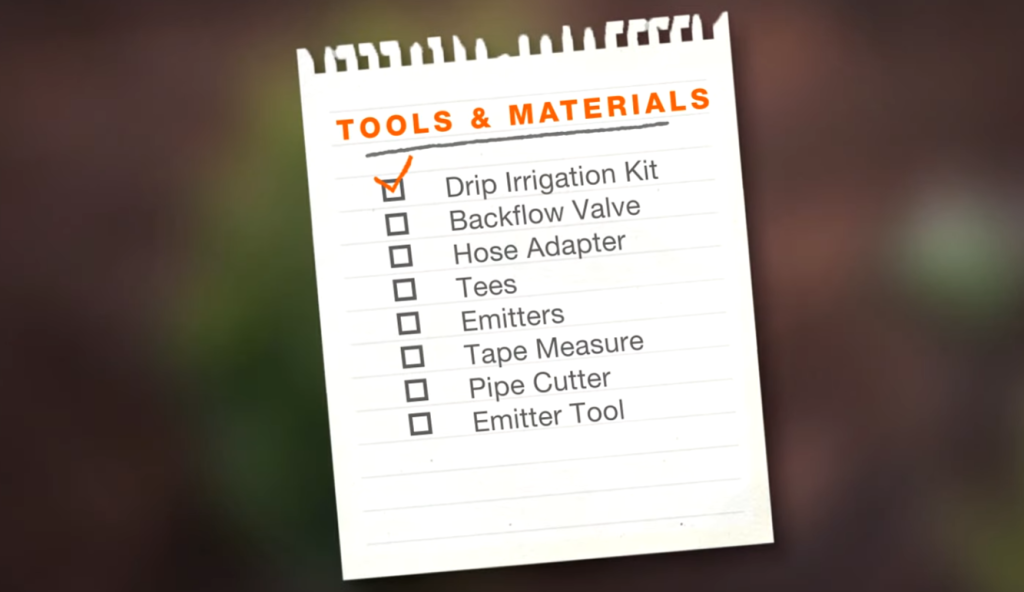
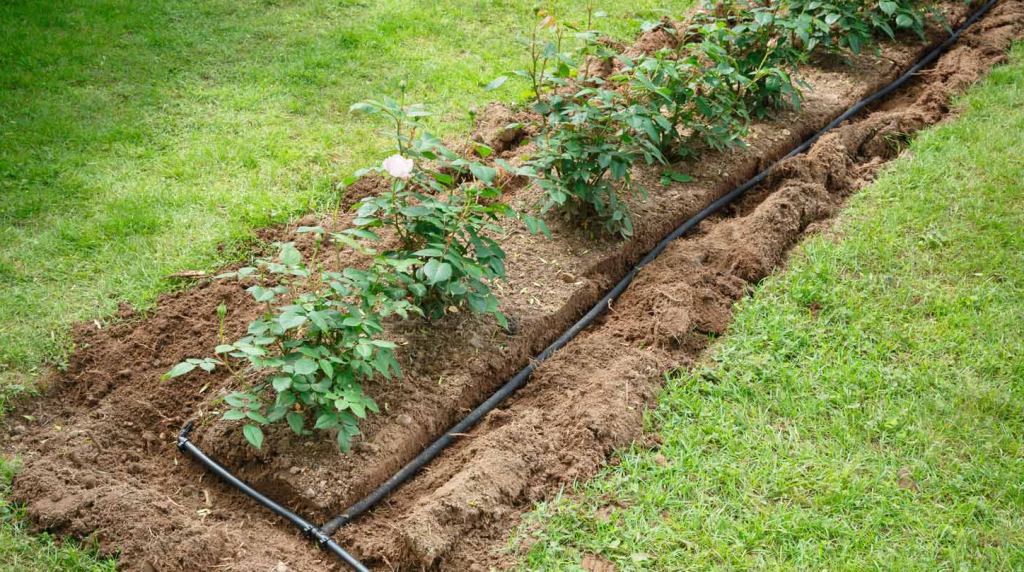
From the head assembly, you will run your mainline. This is a larger diameter, rigid PVC or polyethylene pipe that conveys water to the field. From the mainline, you will branch off with sub-mains, which run along the ends of your planting beds. Finally, you will connect your drip laterals (the drip tape or tubing with emitters) to the sub-mains. These are the lines that will run the length of each raised bed.

When laying the drip laterals, ensure they are straight and centered on the bed. If you are using two drip lines per bed for wider-rooted crops, ensure they are spaced evenly. Before connecting the far ends of the laterals, it is a crucial practice to flush the entire system. Open the valves and let water run through the pipes and out the open ends for several minutes. This will clear out any dirt, dust, or plastic shavings that may have entered the pipes during cutting and assembly, preventing them from causing immediate clogs in your new emitters. Once flushed, you can cap or fold the ends of the laterals.

Laying and Securing the Mulch Net
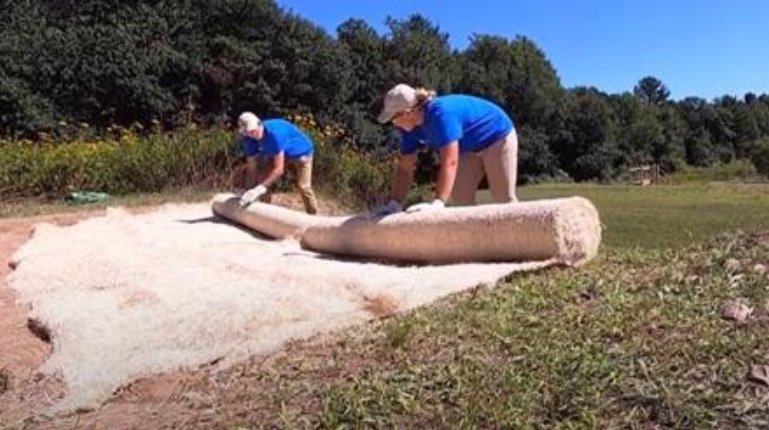
With the irrigation lines in place, it is time to lay the mulch net. This task is significantly easier with at least two people, especially if there is any wind. Start at one end of the row. Dig a shallow trench, about 6 inches deep, across the end of the bed. Place the starting edge of the mulch net in this trench and backfill it with soil, tamping it down firmly. This creates a strong anchor point.

Now, unroll the netting down the length of the raised bed. The key here is to keep the material taut. A loose, baggy net will flap in the wind, which can damage young plants, and it will not make good contact with the soil, reducing its effectiveness at warming the ground. Pull the net snug, but not so tight that you put excessive strain on it.

As you unroll, or after the full length is unrolled, you must secure the long edges. The most common method is to use a shovel or a mechanical implement to plow a small amount of soil from the furrows onto the edges of the netting. This continuous “lip” of soil holds the net securely in place. Alternatively, for smaller areas or in rocky soil, you can use landscape staples or pins, placed every few feet, to secure the edges. A well-secured net should be smooth and tight against the surface of the bed.
Integrating the Systems: Placing Irrigation Under or Over the Net
A frequent point of deliberation for growers is whether to place the drip irrigation lines underneath the mulch net or on top of it. For the vast majority of applications, the answer is unequivocal: the drip lines should be placed underneath the mulch net.
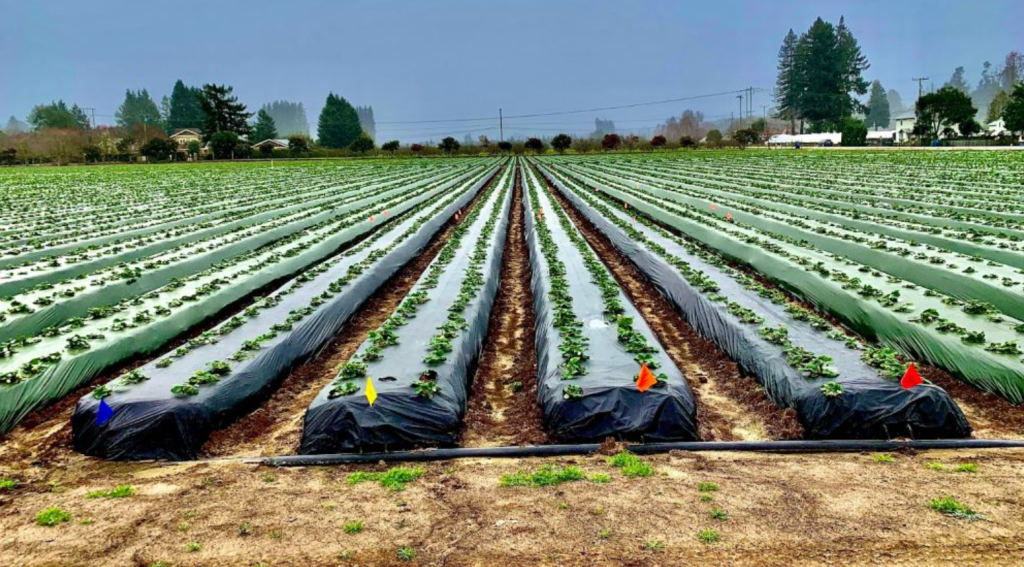
The reasoning goes back to our foundational principles. Placing the lines underneath allows the water to be applied directly to the soil, where it is immediately shielded from sun and wind by the overlying net. This is the configuration that maximizes water conservation by virtually eliminating surface evaporation (Hanson & May, 2006). It keeps the top surface of the net dry, which can also help reduce certain fungal issues.
So, are there any reasons to place it on top? Very few. Some growers might do so if they are retrofitting a drip system to an already mulched area. Others might feel it allows for easier inspection of the emitters. However, these minor conveniences are far outweighed by the dramatic loss in water efficiency. Water dripping onto the hot surface of a black mulch net will experience significant evaporation before it can find its way through the weave or a planting hole. The primary synergy of the system is compromised. The clear best practice, supported by decades of agricultural research, is to lay the drip lines first, then cover them with the mulch net (Lamm & Trooien, 2003).
Creating Planting Holes: Precision and Care
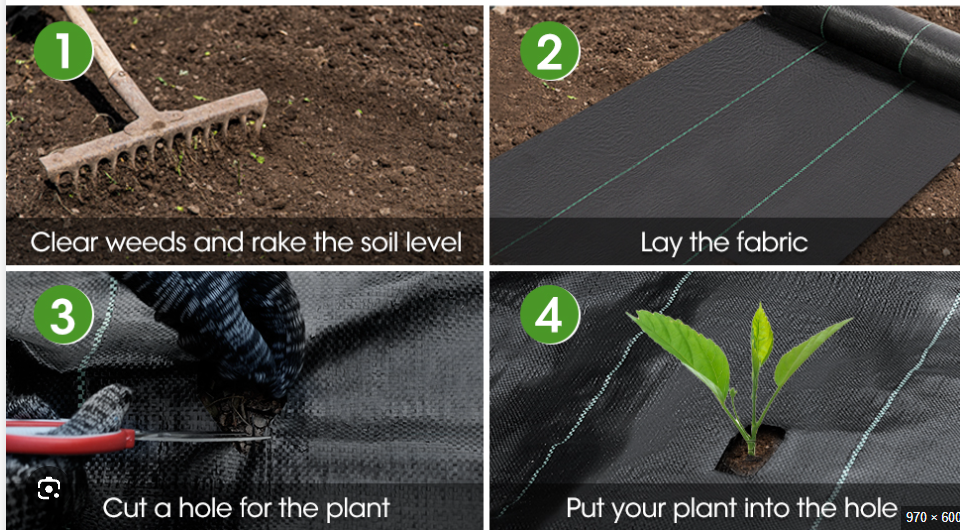
Your final installation step is to create openings in the net for your crops. The placement of these holes should correspond to the plant spacing you determined in your design map. Precision is key. The holes should be just large enough to accommodate the seedling or plant root ball. Making them oversized invites sunlight to hit the soil, which will inevitably lead to weed growth right at the base of your plant, the most difficult place to control it.
There are several methods for creating these holes. A simple utility knife can be used to cut an “X” shape. This is effective, but can be slow for large areas. A more efficient method is to use a hole cutter. This can be a simple cylinder of sharpened metal, perhaps a repurposed food can, that you press and twist to cut a clean circle.

For large-scale commercial operations, a propane-powered flame burner is often used. This is a tool with a long handle and a circular heating element at the end. You simply press it onto the net for a second, and it melts a perfect, cauterized hole. This method is incredibly fast and has the added benefit that the melted edge of the hole is less likely to fray. If using this method, exercise extreme caution. The plastic netting is flammable, and you must work quickly to avoid setting it alight. Never use a flame tool near flammable materials or on a windy day.
Step 4: Planting, Operation, and System Calibration
With the physical infrastructure in place, the system transitions from a static construction to a dynamic, living entity. This phase is about bringing the system to life with plants and managing it with a responsive and observant hand. It is a partnership between the technology you have installed and the biological needs of your crops. Success here depends less on brute force and more on the art of calibration and the science of observation.
Transplanting or Seeding Through the Mulch Net
The moment of planting is a delicate operation. Whether you are using young transplants or direct seeding, the goal is to place the plant or seed into the soil with minimal disturbance to the mulch and irrigation lines.
For transplants, use a small trowel or a soil knife (a hori-hori) to dig a hole through the opening in the net. Make the hole just large enough for the root ball of the transplant. Gently place the plant in the hole, ensuring it is at the same depth it was in its nursery pot—planting too deep can lead to stem rot. Backfill the hole with soil, pressing down gently but firmly to ensure good contact between the root ball and the surrounding soil. This contact is vital for the roots to be able to draw water from the irrigated soil.
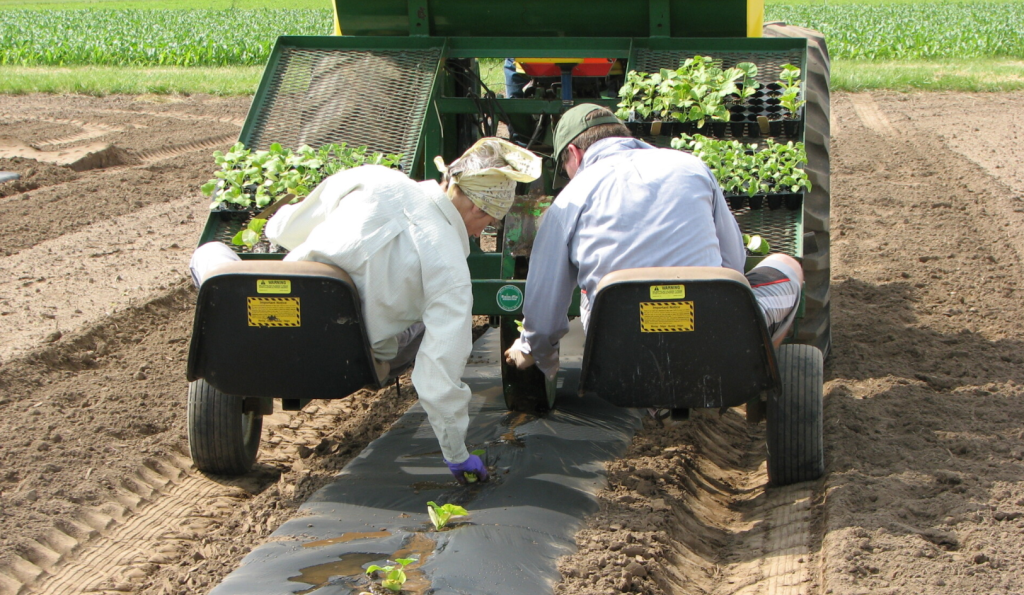
For direct seeding, the process is similar but on a smaller scale. Create a small depression in the soil through the planting hole, drop in the required number of seeds, cover them to the depth recommended for that specific crop, and gently firm the soil. Immediately after planting the entire area, it is good practice to run a short irrigation cycle. This helps settle the soil around the new roots or seeds and provides them with immediate moisture.
Calibrating Your Irrigation Schedule: The Art and Science of Watering
This is perhaps the most critical skill a grower can develop in managing this system. A drip system is not a “set it and forget it” device. Your irrigation schedule must be a living document, adjusted in response to weather, the growth stage of your crop, and direct soil observation.
How do you know when and how much to water? Do not rely on a simple clock-based timer alone. The most reliable method is to directly assess the soil moisture. Get in the habit of walking your rows. At a few representative spots, pull back a corner of the mulch net and feel the soil a few inches down. It should feel like a lightly wrung-out sponge—moist, but not saturated. If it is soggy, you are overwatering, which can lead to anaerobic conditions and root disease. If it is dry and crumbly, you are underwatering, which will stress the plants and reduce yield.
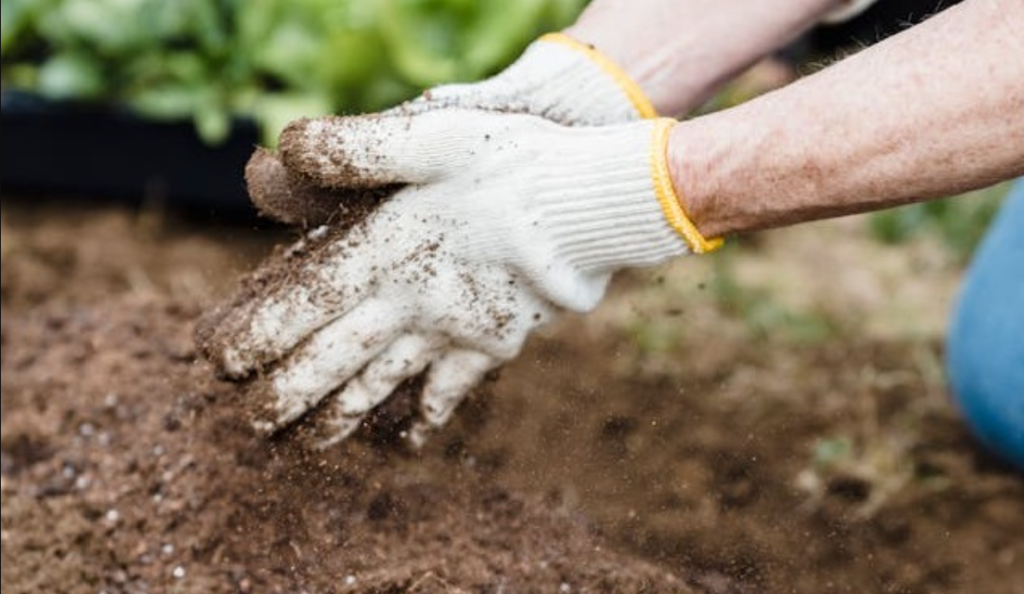
Your watering needs will change dramatically over the season. A young transplant needs frequent, short waterings to establish its small root system. A large, fruiting tomato plant on a hot summer day will have a tremendous water demand and may need a longer, deep watering every day or two. A cool, overcast day will require far less water than a hot, windy one. Advanced growers may use tools like soil moisture sensors or tensiometers to get quantitative data, but the “feel method,” when practiced efeitosely, is remarkably effective. Let the plants and the soil be your guide.
Fertigation: Delivering Nutrients Through Your Drip System
The integration of drip irrigation and mulch provides a uniquely efficient way to fertilize your crops: fertigation. This is the process of injecting water-soluble fertilizers into the irrigation water. Instead of broadcasting granular fertilizer over a large area, you deliver a precise dose of nutrients directly to the root zone, right where the plant can use it (Burt et al., 1995).

This method offers huge advantages. It reduces fertilizer waste, prevents nutrient runoff that can pollute waterways, and allows you to “spoon-feed” your plants, giving them the specific nutrients they need at each stage of their growth. For example, you might use a fertilizer higher in phosphorus during initial root development and switch to one higher in potassium during the fruiting stage.
To fertigate, you will need a fertilizer injector, such as a Venturi injector or a positive displacement pump, installed in your head assembly. You must use fertilizers that are 100% water-soluble to avoid clogging your drip emitters. Many formulations are designed specifically for this purpose. Always follow the manufacturer’s dilution rates and flush the system with fresh water for a few minutes after the fertigation cycle is complete to clear any residual fertilizer from the lines.
Initial System Checks and Leak Detection
Immediately after your first few irrigation cycles, it is imperative to walk the entire system and conduct a thorough inspection. Look for telltale signs of problems. Are there any wet spots on top of the mulch net? This could indicate a leak in a fitting or a hole in the drip line. Are there dry areas where plants are wilting? This points to a clogged emitter or a kink in the line.
Check the pressure gauge at your head assembly while the system is running. Is the pressure within the recommended range for your emitters? If it is too high, you risk damage. If it is too low, you will get uneven watering. This initial shakedown period is your best opportunity to identify and fix minor issues before they become major problems that impact your crop’s health.

Step 5: Long-Term Management, Maintenance, and Troubleshooting
An integrated irrigation and mulch system is a long-term investment. Its value is realized not just in the first season, but over many years of reliable service. Achieving this longevity, however, requires a commitment to routine maintenance and a proactive approach to troubleshooting. Think of it as the regular care and service a good mechanic gives to a high-performance engine. Preventative checks and timely repairs are far less costly than dealing with a catastrophic failure mid-season.
Routine Inspection of Emitters and Filters
The heart of your drip system is its emitters, and their Achilles’ heel is clogging. The single most important maintenance task is the regular cleaning of your filter. Depending on your water quality, this may need to be done weekly, bi-weekly, or monthly. A clogged filter will reduce water pressure across the entire system, leading to under-watering. Most modern filters are easy to clean, involving the removal and rinsing of a screen or a stack of discs.
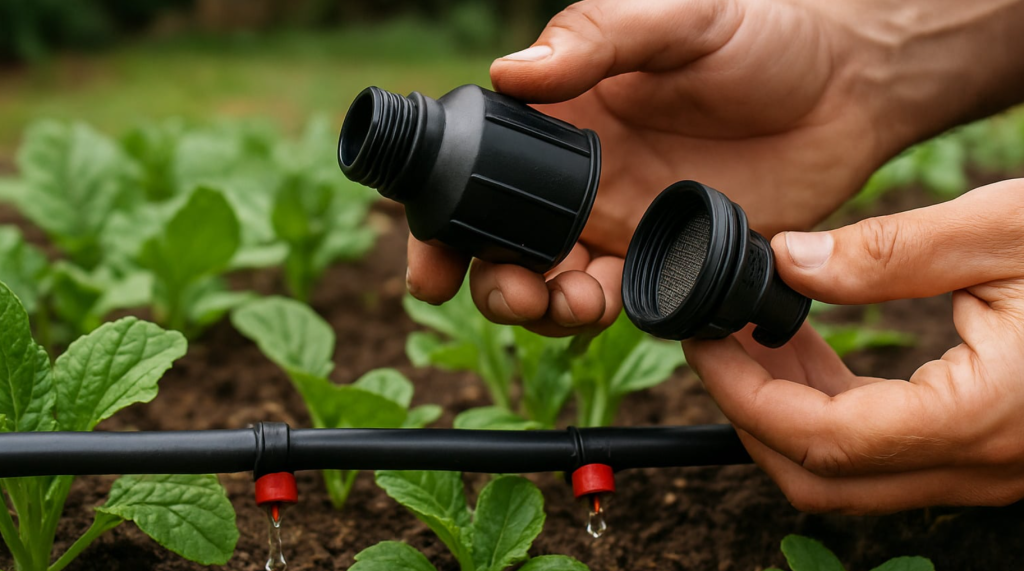
Beyond the main filter, you should periodically walk your rows while the system is running and visually inspect the emitters. In a system under mulch, this requires lifting the net at various points. Watch the drip rate. Is it consistent from one emitter to the next? If you find an emitter that is not dripping or is dripping very slowly, it may be clogged. Often, you can dislodge a small particle by gently flicking the emitter. For more stubborn clogs, you may need to remove the emitter and clean it or simply replace it. Some systems also have flush valves at the end of the lines that should be opened periodically to scour out accumulated sediment.
Managing Pests and Diseases in an Integrated System
While this system solves many problems, it can create a few of its own. The cool, moist, and dark environment under the mulch can be an ideal habitat for slugs and snails. You must be vigilant, especially early in the season, and look for their telltale slime trails and chewing damage on young plants. Organic baits containing iron phosphate can be effective when placed near the planting holes.

On the other hand, the system is a powerful tool for disease prevention. By keeping water off the plant foliage, you dramatically reduce the incidence of fungal and bacterial diseases that require leaf wetness to sporulate and spread, such as powdery mildew, downy mildew, and many bacterial blights (Gordon et al., 2010). However, be mindful of diseases that can be transmitted through the irrigation water itself, like Pythium root rot. Sourcing water from a clean source and ensuring your soil is well-drained are your best defenses.
End-of-Season Procedures: Removal, Cleaning, and Storage
How you treat your system at the end of the growing season will determine how easily you can start it up the following year. If you are using annual drip tape and lightweight mulch, you may simply pull it all up and dispose of or recycle it. However, if you have invested in durable, multi-year mulch netting and heavy-walled polyethylene tubing, proper storage is paramount.
First, flush the irrigation system thoroughly. If you have been fertigating, it is especially important to run clear water through the lines for at least 30 minutes to remove any salt residues that could crystallize and cause clogs. Drain as much water from the system as possible by opening the ends of the lines. This is particularly important in climates with freezing winters, as water left in the pipes can freeze, expand, and crack the tubing and fittings.
Carefully remove the soil from the edges of the mulch net. If the net is dirty, it can be beneficial to pressure wash it before storage. Roll the clean, dry netting and the irrigation tubing into neat coils. Store them in a shed, garage, or barn where they will be protected from sunlight and rodents. UV radiation is the primary enemy of plastics, and mice have been known to chew on irrigation tubing. Proper storage can easily double or triple the lifespan of your components. The durability of materials, whether in construction safety netting or agricultural fabrics, is directly linked to jejich proper care and storage.
Troubleshooting Common Problems: A Grower’s Diagnostic Guide
Despite your best efforts, problems will arise.

Here is a quick guide to diagnosing common issues:
- Problem: Plants are wilting in one specific area.
- Diagnosis: This is likely a localized water delivery issue. Lift the mulch and check for a clogged emitter, a kink in the drip line, or a leak in a nearby fitting that is reducing pressure to that section.
- Problem: All plants in a row or zone are wilting.
- Diagnosis: This points to a problem affecting the entire lateral line or sub-main. Check for a clog in the line’s filter (if it has one), a closed valve, or a major leak upstream. Ensure the pressure regulator for that zone is functioning.
- Problem: Weeds are growing aggressively through the planting holes.
- Diagnosis: The planting holes were likely cut too large. While you cannot shrink them, you can manage the issue with careful hand-weeding. In the future, use a smaller hole cutter.
- Problem: There is algae or slime buildup in the drip lines.
- Diagnosis: This occurs when systems are fed from surface water sources (like ponds) and are not flushed regularly. It can sometimes be treated by injecting a diluted chlorine or acid solution, but this must be done with extreme care following specific protocols to avoid damaging the system or the plants. The best solution is prevention through proper filtration and flushing.
- Problem: Water is pooling on top of the mulch net.
- Diagnosis: This indicates a leak in the drip line underneath. The water is being forced up through the weave of the net. You will need to locate the section of the net over the pool, cut a small slit to access the line, and repair the leak with a coupler or patch.
Foire aux questions (FAQ)
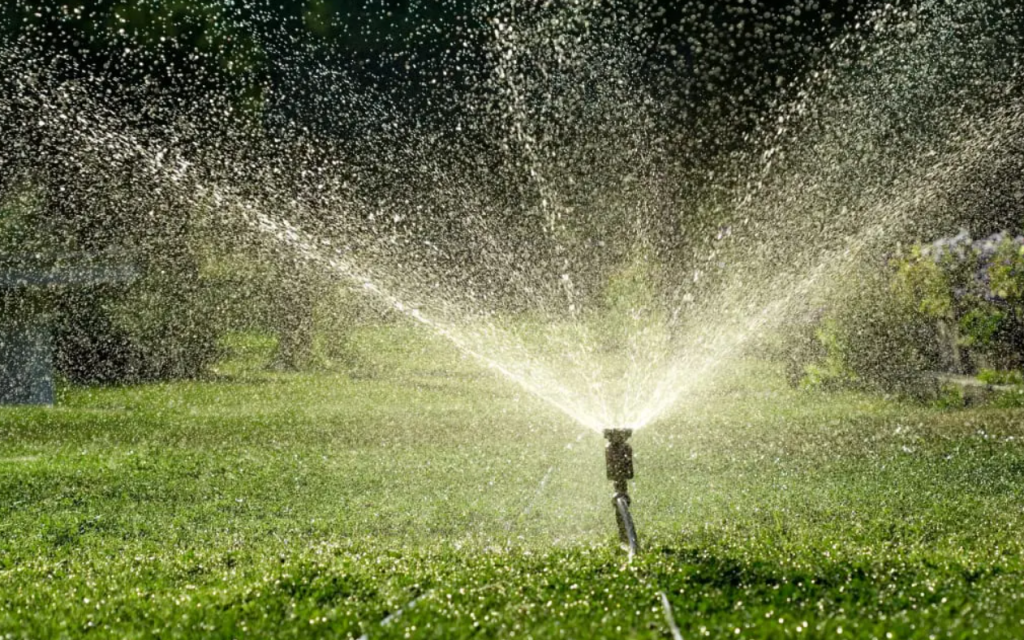
1. Can I use sprinkler irrigation with mulch nets? While you technically can, it largely defeats the purpose. Sprinklers will wet the entire surface of the net, leading to significant evaporative loss. They also do not deliver water with the precision of a drip system. The true synergy of this method comes from combining the surface protection of the mulch with the subsurface delivery of drip irrigation.
2. How long do agricultural mulch nets last? The lifespan depends entirely on the material quality and how it is cared for. Inexpensive, lightweight, non-woven fabrics may only last a single season. High-quality, UV-stabilized woven polypropylene ground cover, when properly cleaned and stored over winter, can last for 5 to 10 years or even longer, making it a very cost-effective investment.
3. What is the best irrigation system to pair with mulch nets? Drip irrigation is the ideal partner for mulch nets. Specifically, systems using drip tape or pressure-compensating (PC) emitters offer the most precise water control. They deliver water directly to the soil beneath the net, maximizing efficiency and creating the synergistic effect of water conservation and weed suppression.
4. Will black mulch netting overheat my plant roots? In most temperate climates, the soil warming effect of black mulch is beneficial. However, in very hot desert or tropical climates, it can sometimes raise soil temperatures to stressful levels for certain crops (Al-Harbi et al., 2008). In these regions, using a white or reflective mulch net is a better strategy to keep the root zone cooler.
5. How do I handle weeds that grow through the planting holes? Weeds growing directly at the base of the plant are the primary challenge in this system. The best defense is to cut the planting holes as small as possible. For the weeds that do emerge, careful and timely hand-pulling is the most effective method. A pre-emergent weed flush before laying the mulch can also dramatically reduce this problem.
6. Is it better to place the drip tape under or over the mulch net? It is unequivocally better to place the drip tape under the mulch net. This protects the water from wind and sun, virtually eliminating evaporation and ensuring the water is delivered directly into the soil. Placing the tape on top of the net is highly inefficient and negates one of the primary benefits of the integrated system.
7. Can I reuse my mulch nets and drip irrigation system next season? Yes, if you invest in durable, multi-year components. Heavy-walled poly tubing and high-quality woven mulch netting are designed for reuse. The key is proper end-of-season maintenance: flush the lines, drain the system, and clean and store all components in a location protected from sunlight and rodents.
Adopting the practice of combining irrigation systems with mulch nets is more than a mere technical adjustment; it represents a philosophical shift toward a more intelligent and resource-conscious form of cultivation. This grower’s guide to combining irrigation systems with mulch nets has sought to demonstrate that the method is a deliberate construction of an optimized microenvironment. It is a system that honors the intrinsic needs of the plant for stable moisture and a competition-free root zone, while simultaneously respecting the finite nature of our water resources and the value of a grower’s labor.
The true mastery of this technique lies not in the initial installation, but in the ongoing, observant management of the living system. It requires a grower to move beyond rote schedules and to cultivate a sensitivity to the subtle cues of soil and plant. By understanding the foundational principles, planning with foresight, and maintaining the system with diligence, any grower can harness this powerful synergy. The result is a more resilient, productive, and sustainable agricultural practice, one that yields not only a healthier crop but also a deeper sense of stewardship over the land.

Read our most popular articles.
👉 Download our free product categories
👉 The Ultimate Guide to Installing Anti-Insect Nets in Greenhouses
👉 Anti-Insect Nets vs. Chemical Pesticides — A 3-Point Health and Yield Comparison
👉 Practical Buyer’s Guide: HDPE vs. Nylon: A Material Showdown for Garden Netting
👉 The Ultimate Guide To Choosing Garden Netting: Pest, Material, and Crop Considerations
👉 How to Start a Private Label Netting Business: A 5-Step Framework for Work
👉 The Chinese Manufacturing vs. Local Suppliers: A Netting Buyer’s Guide